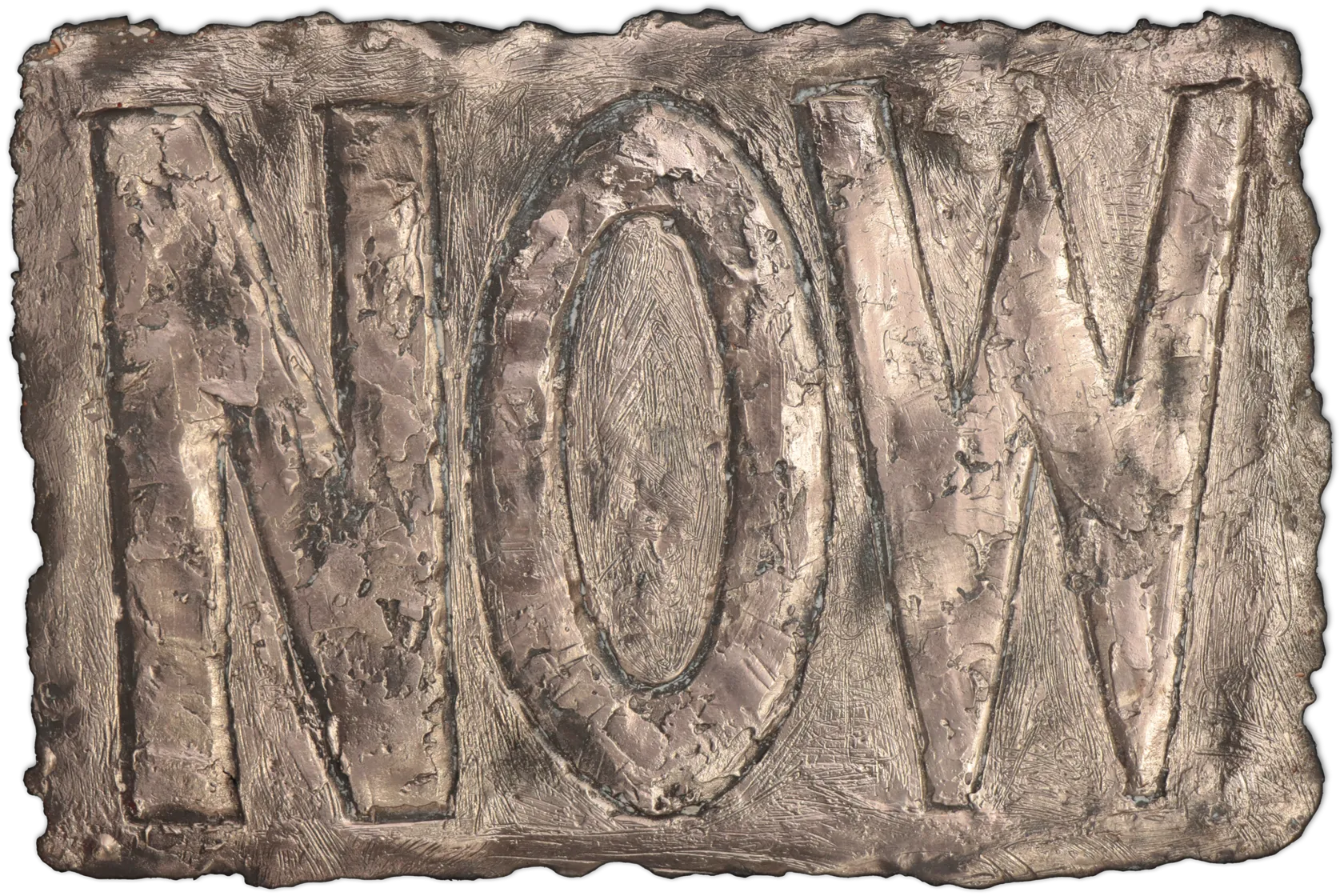
Re-wilding
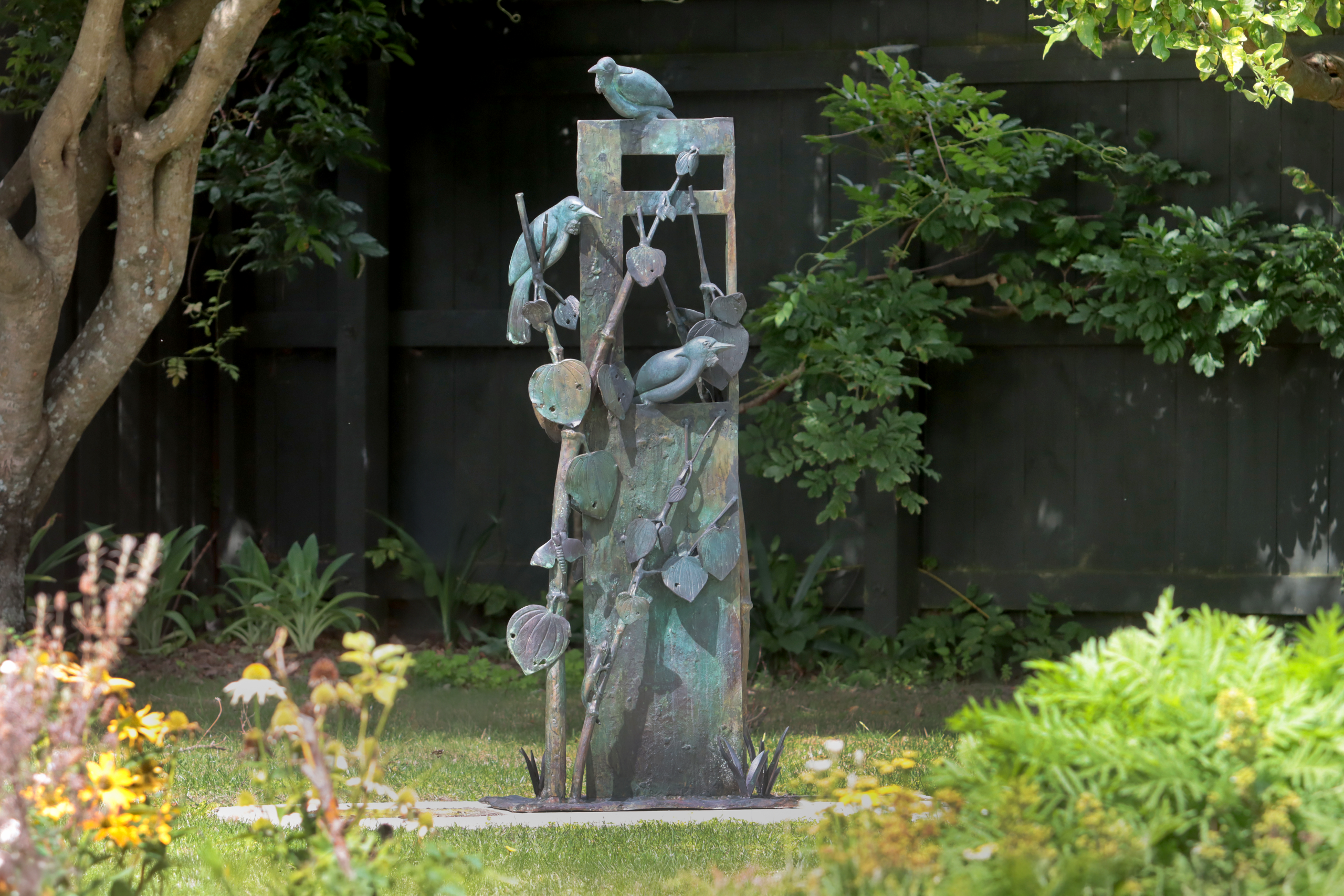
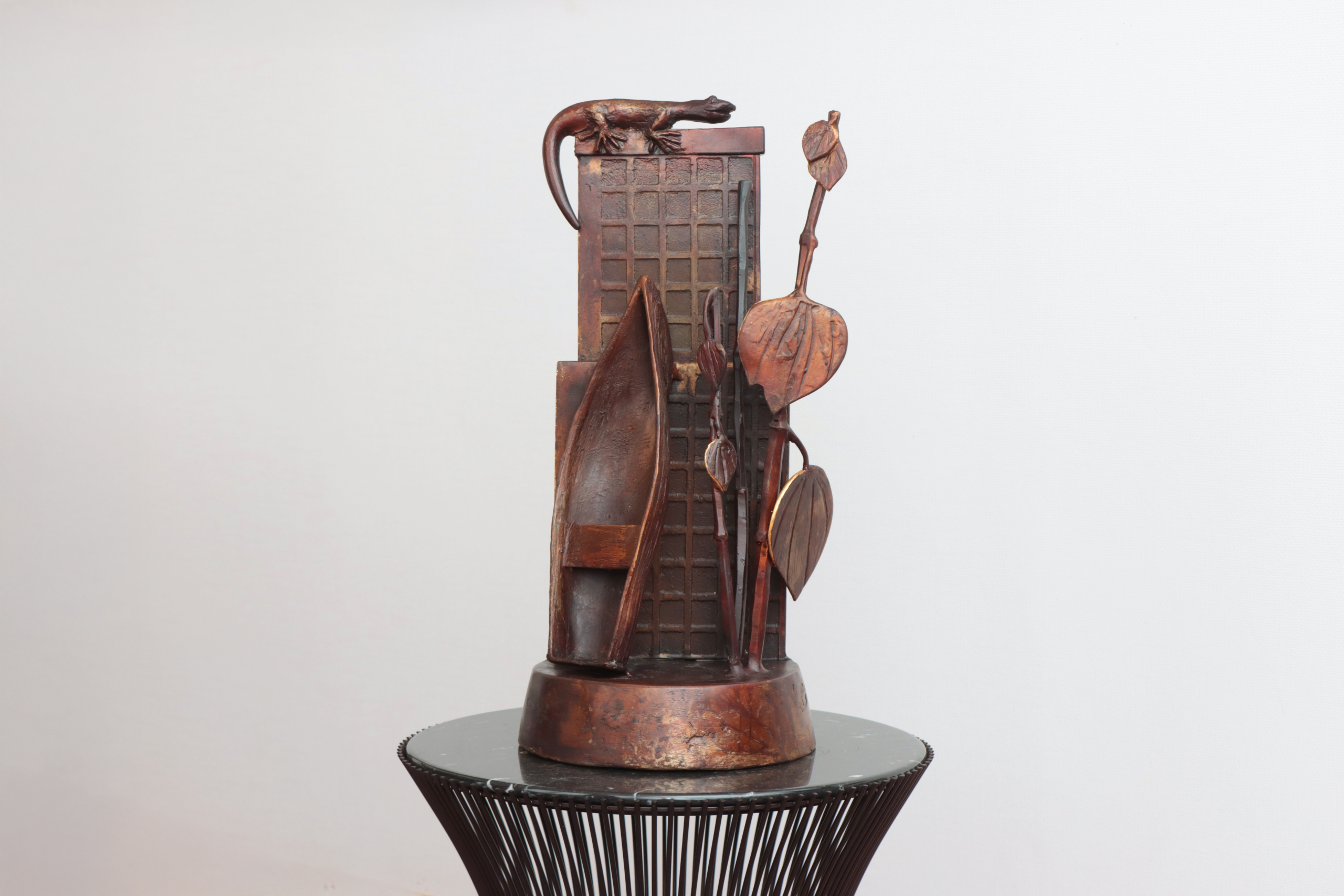
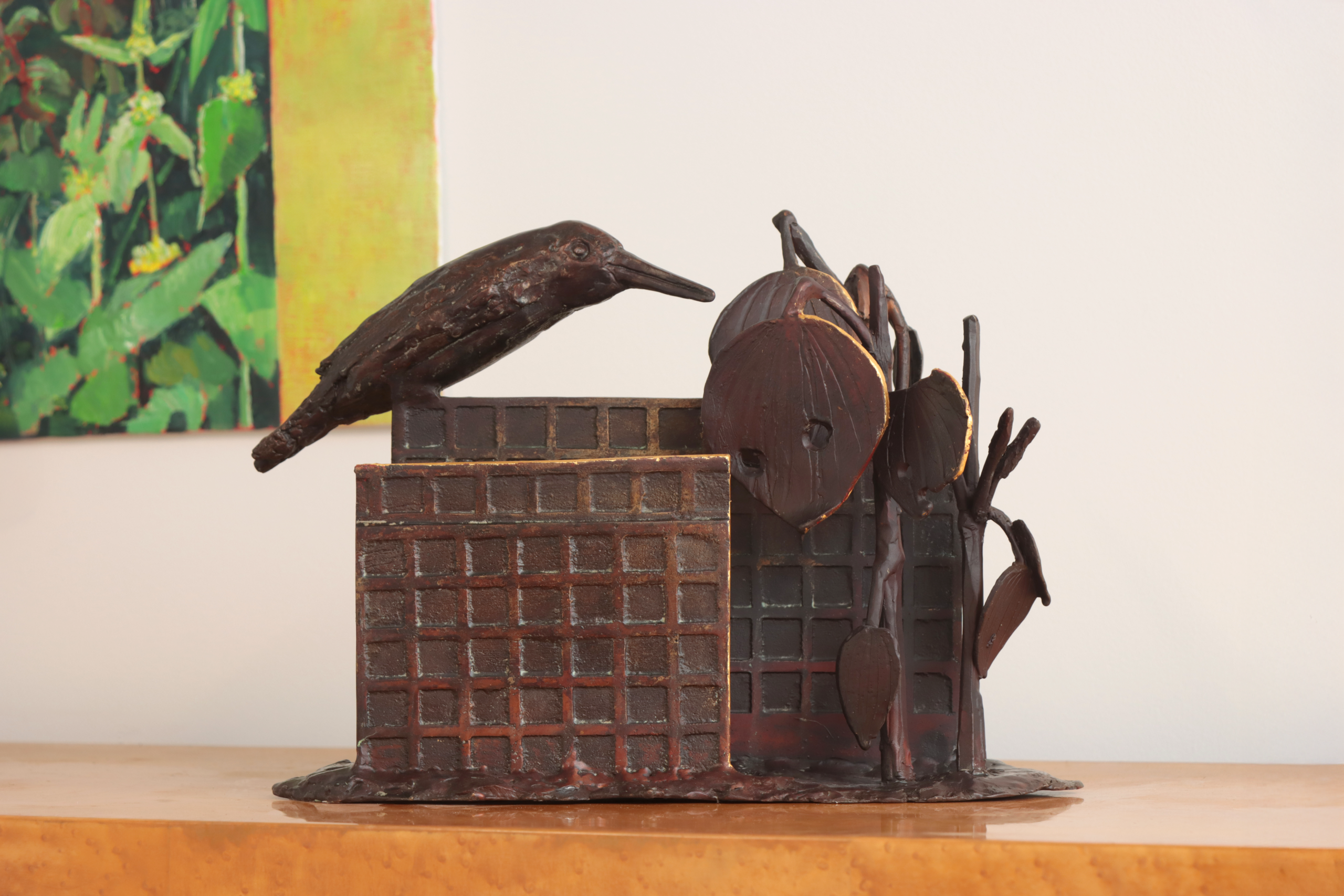
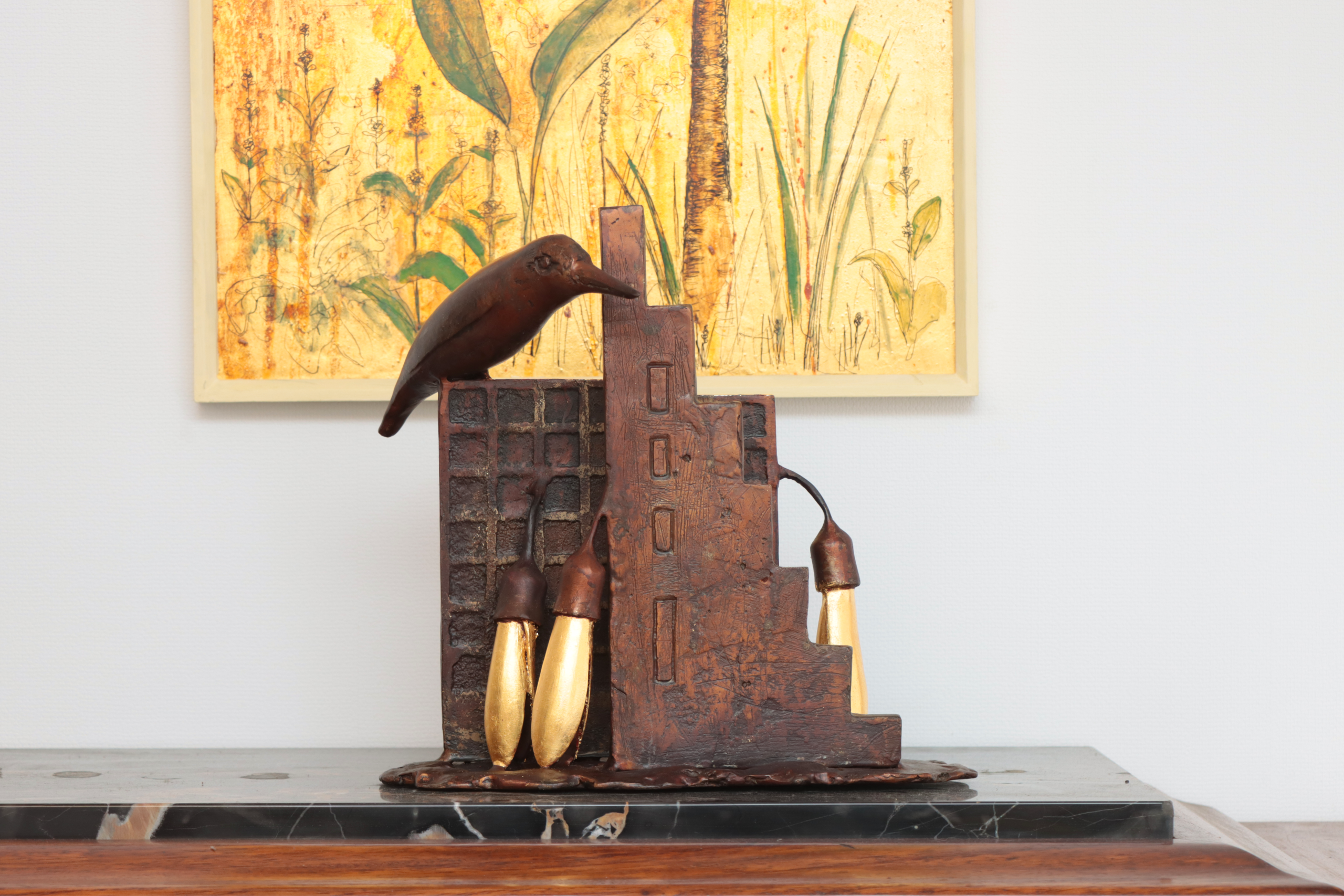
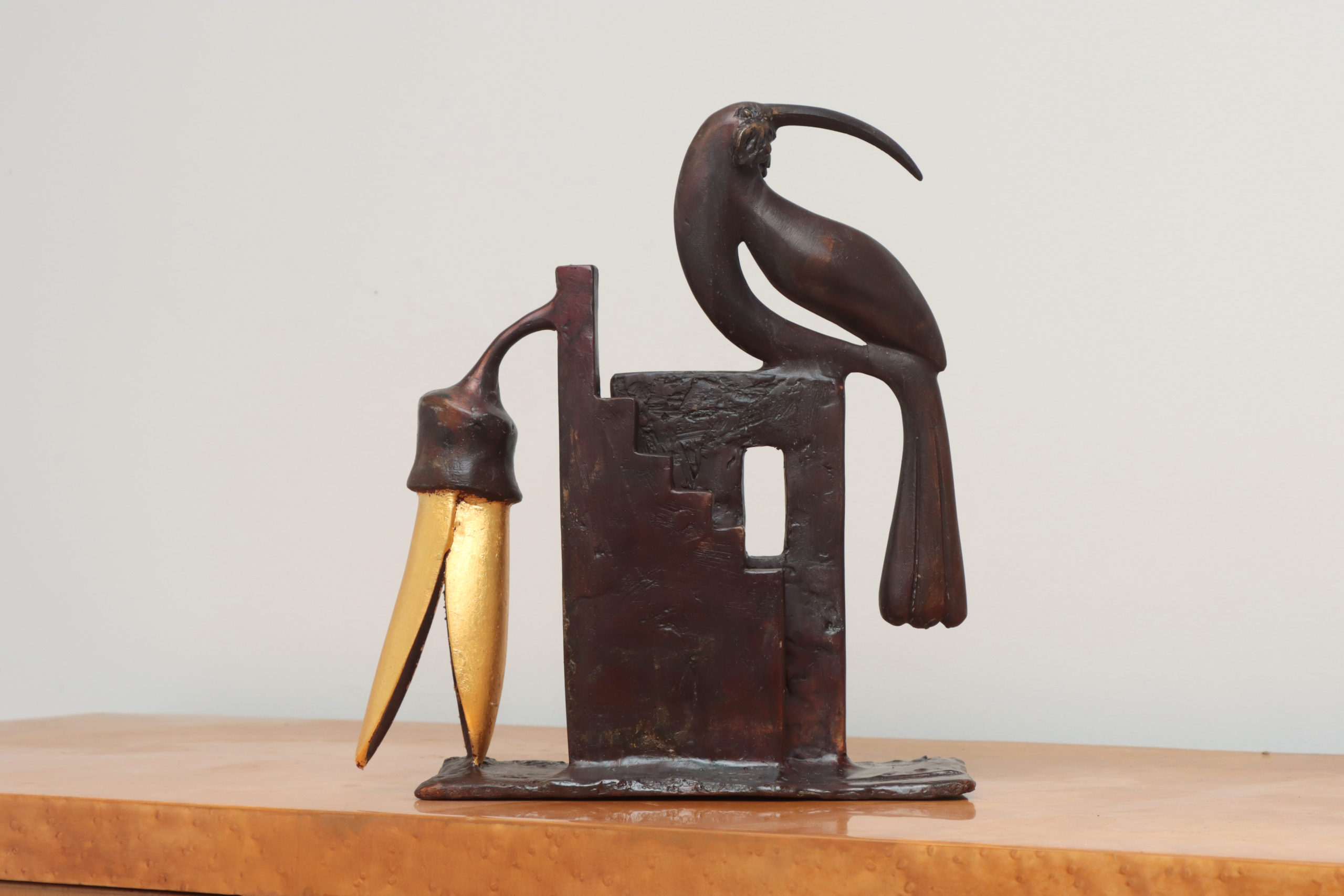
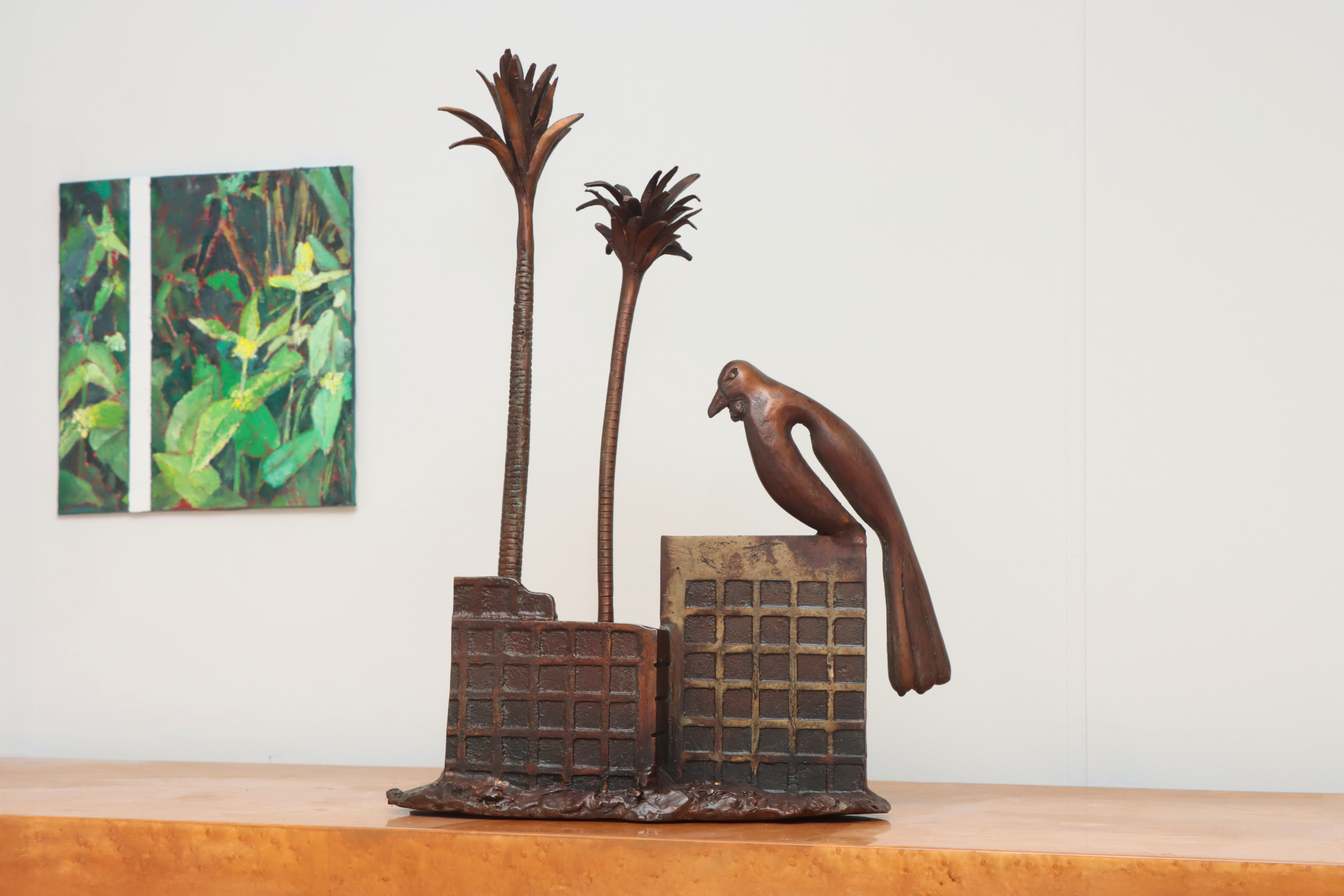
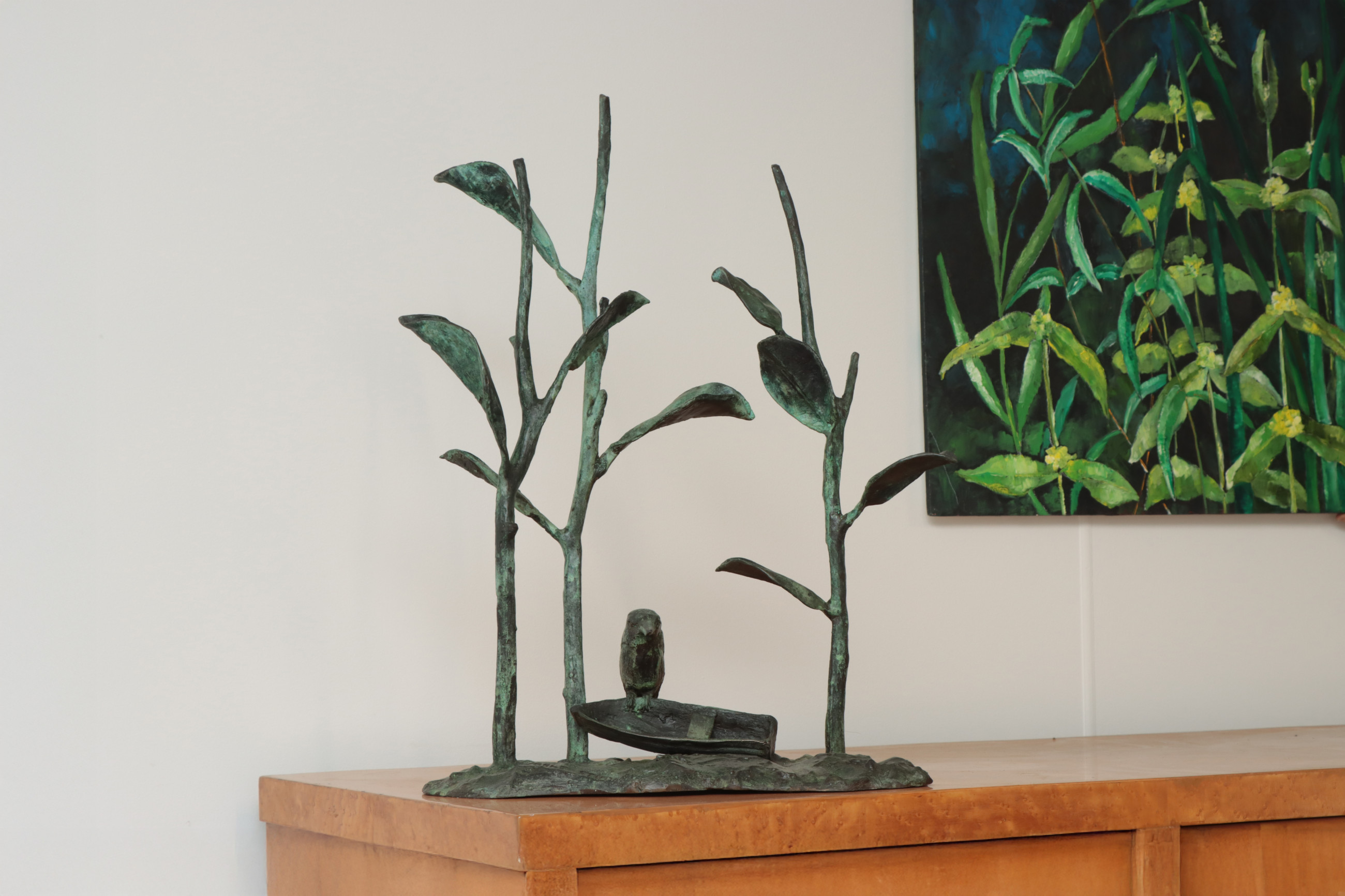
Based around a discarded bronze building diorama, a series of artworks have been created using pieces of walls mixed with flora and fauna that appear to be moving back into these abandoned structures.
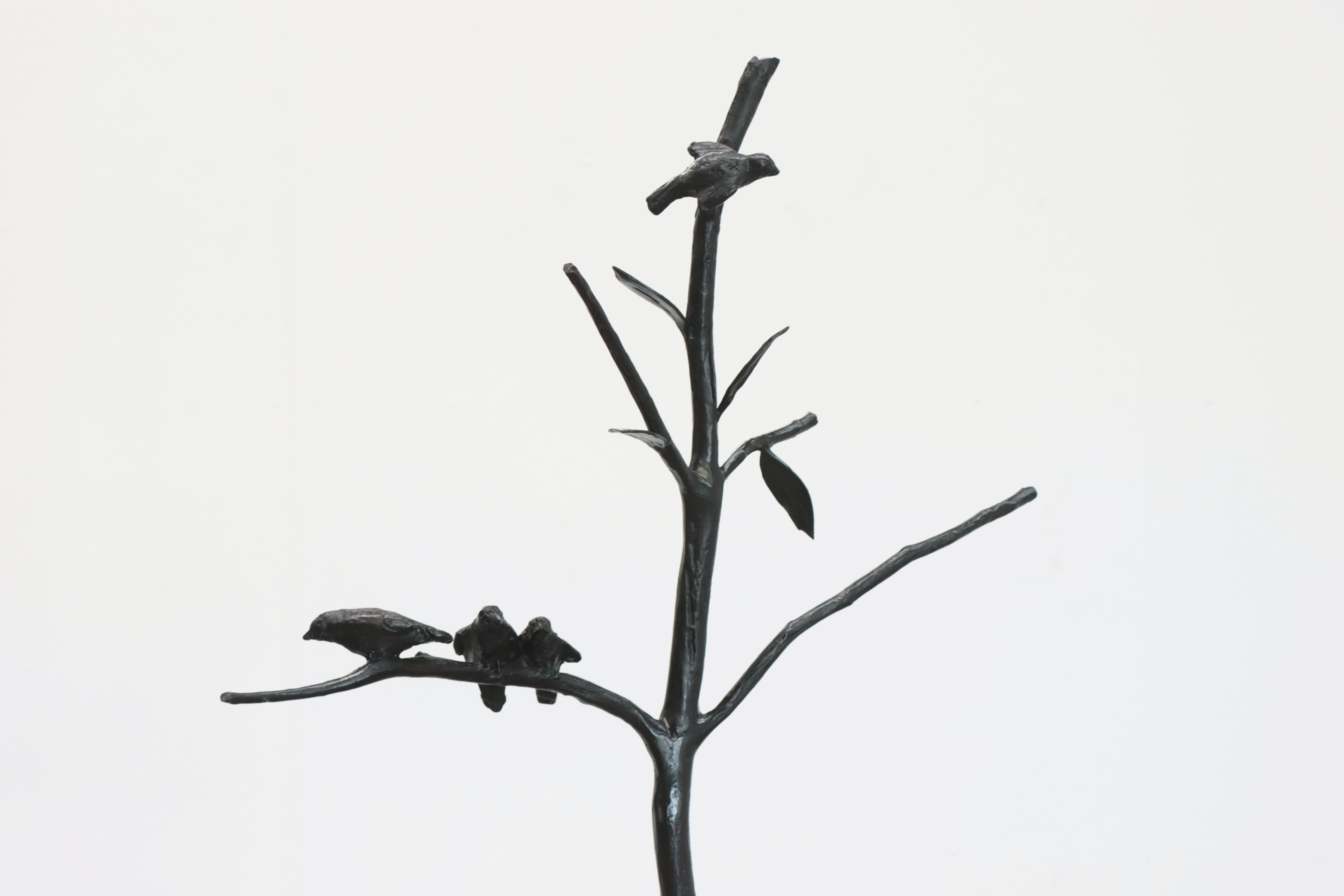
Coat Rack
Brave New World
Healers
In Lost Places
The Nature Gods Return
They Gather Like Angels
Creating New Landscapes
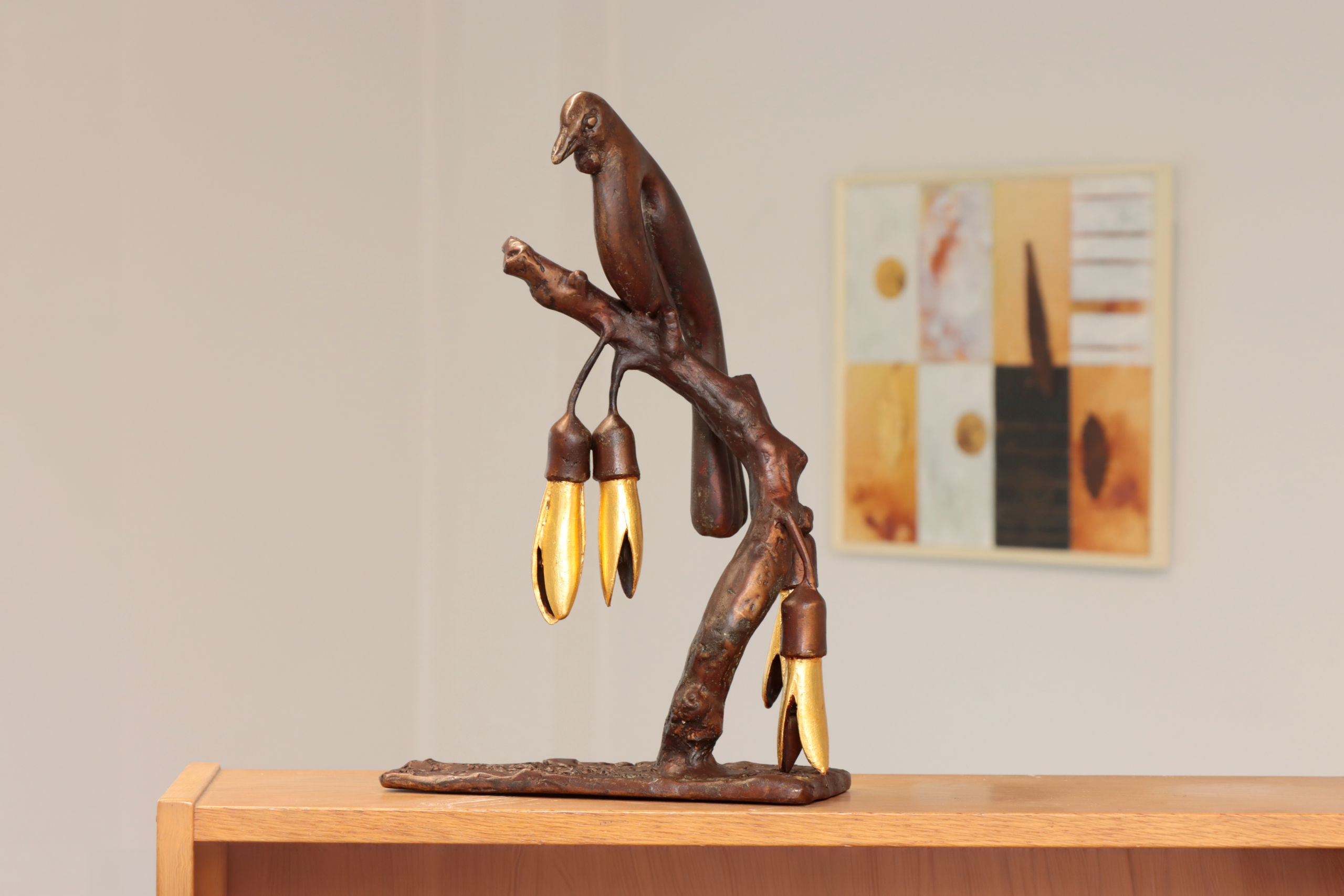
Tribute A Tui in A Kowhai Tree
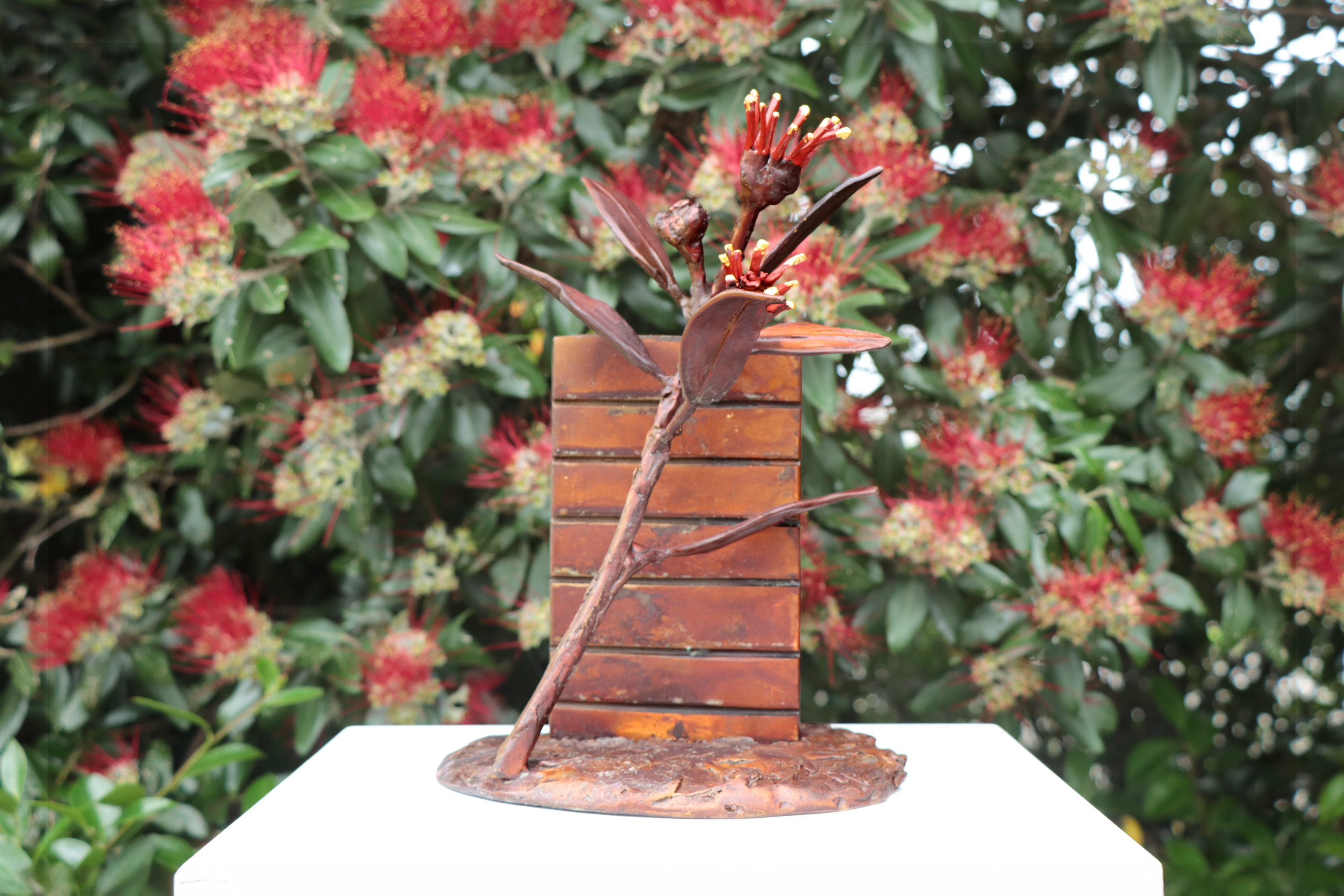
The Blood-Red Rata
Finding a Vantage Point
Settling in Cities
Using Old Structures
Tribute: Looking Back to the Golden Days
Re-building
Tributes
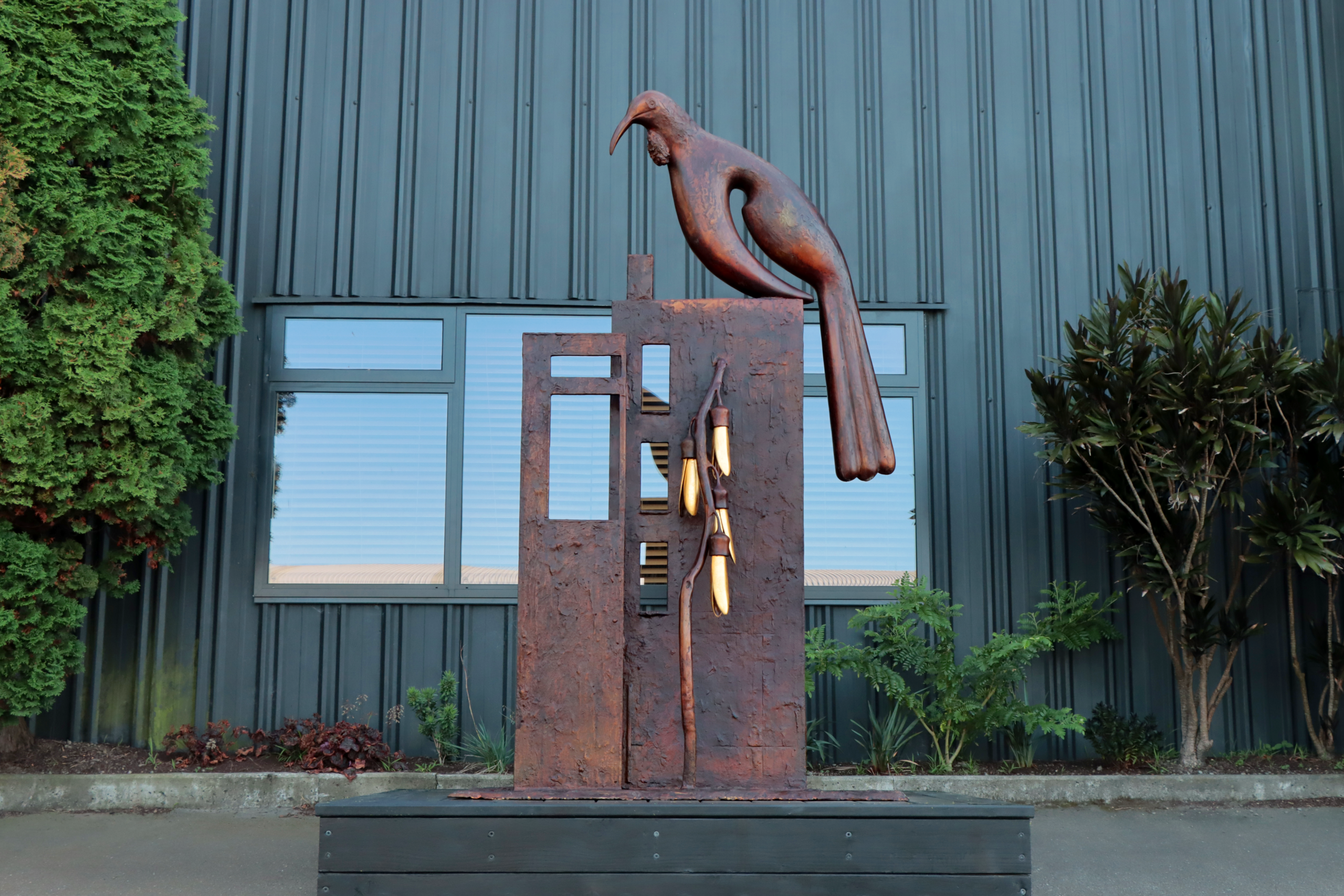
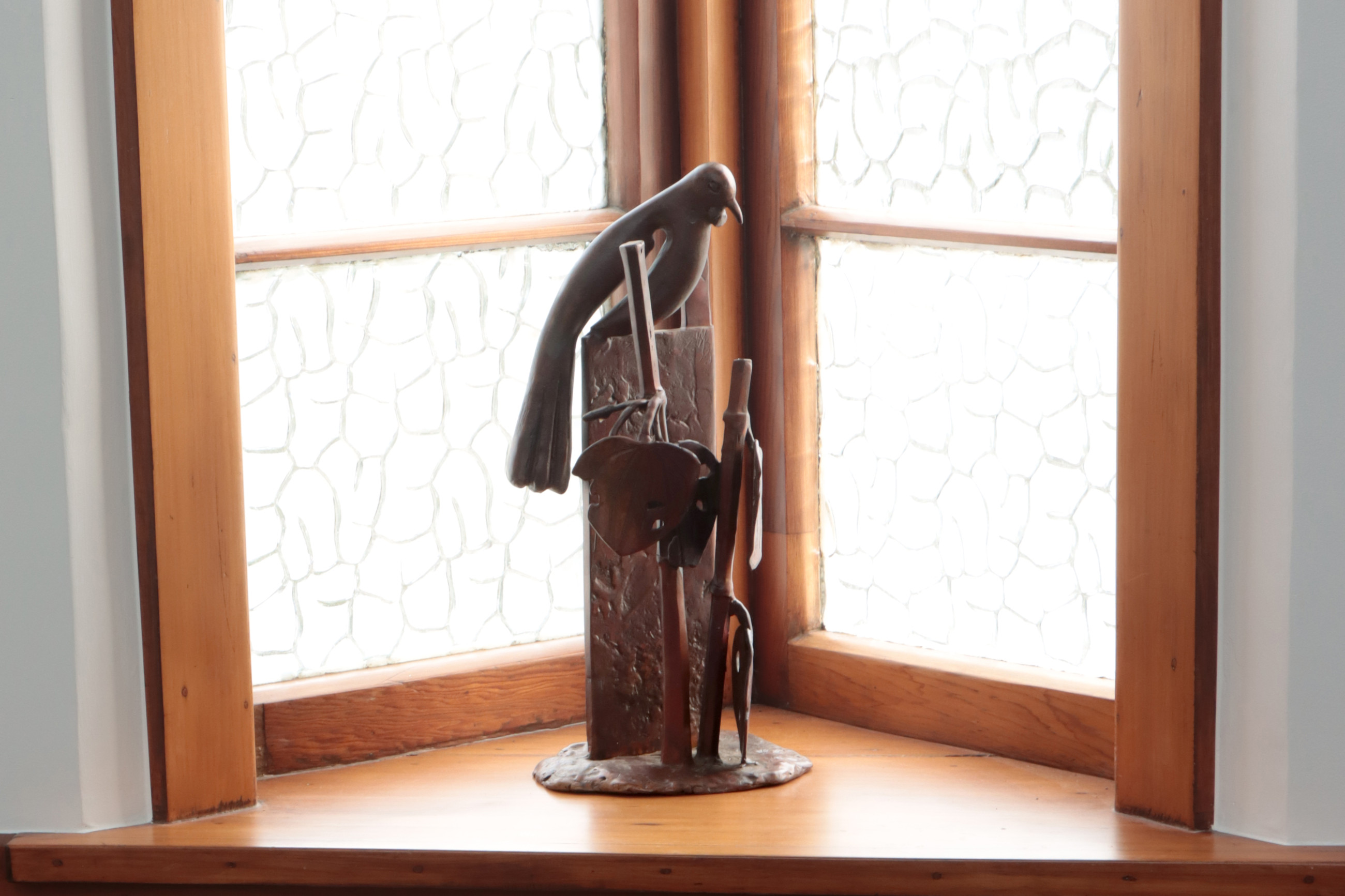
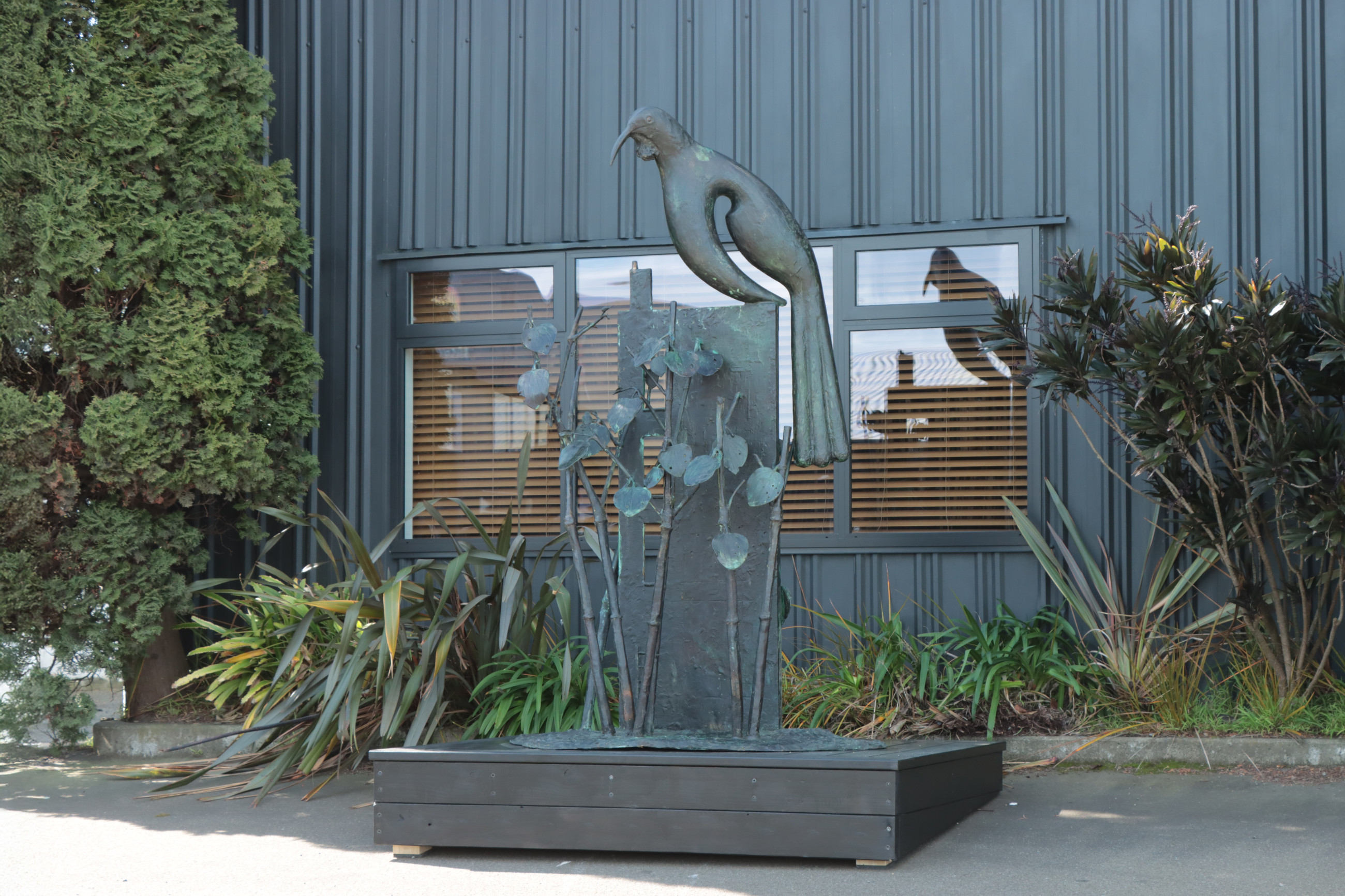
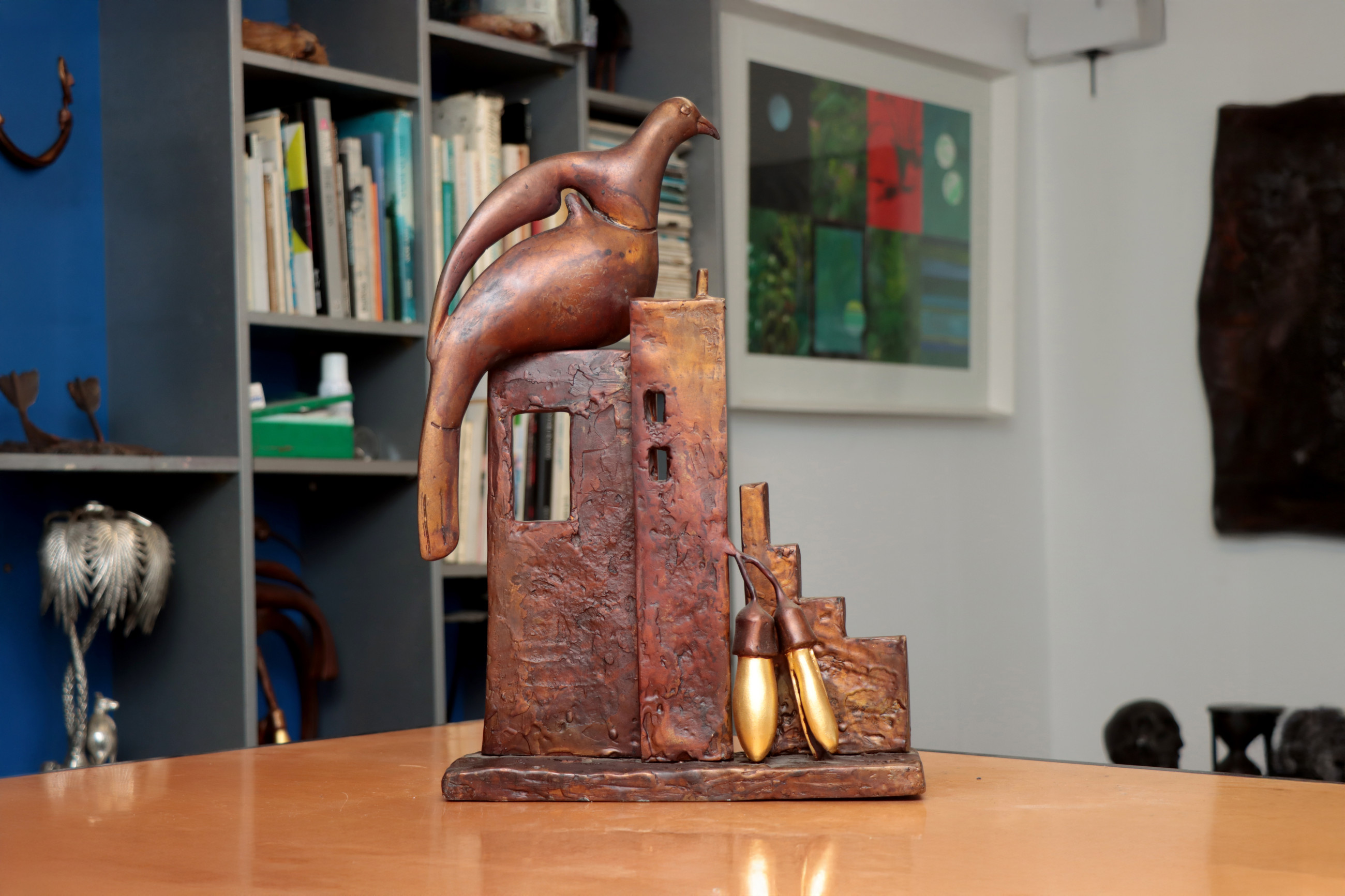
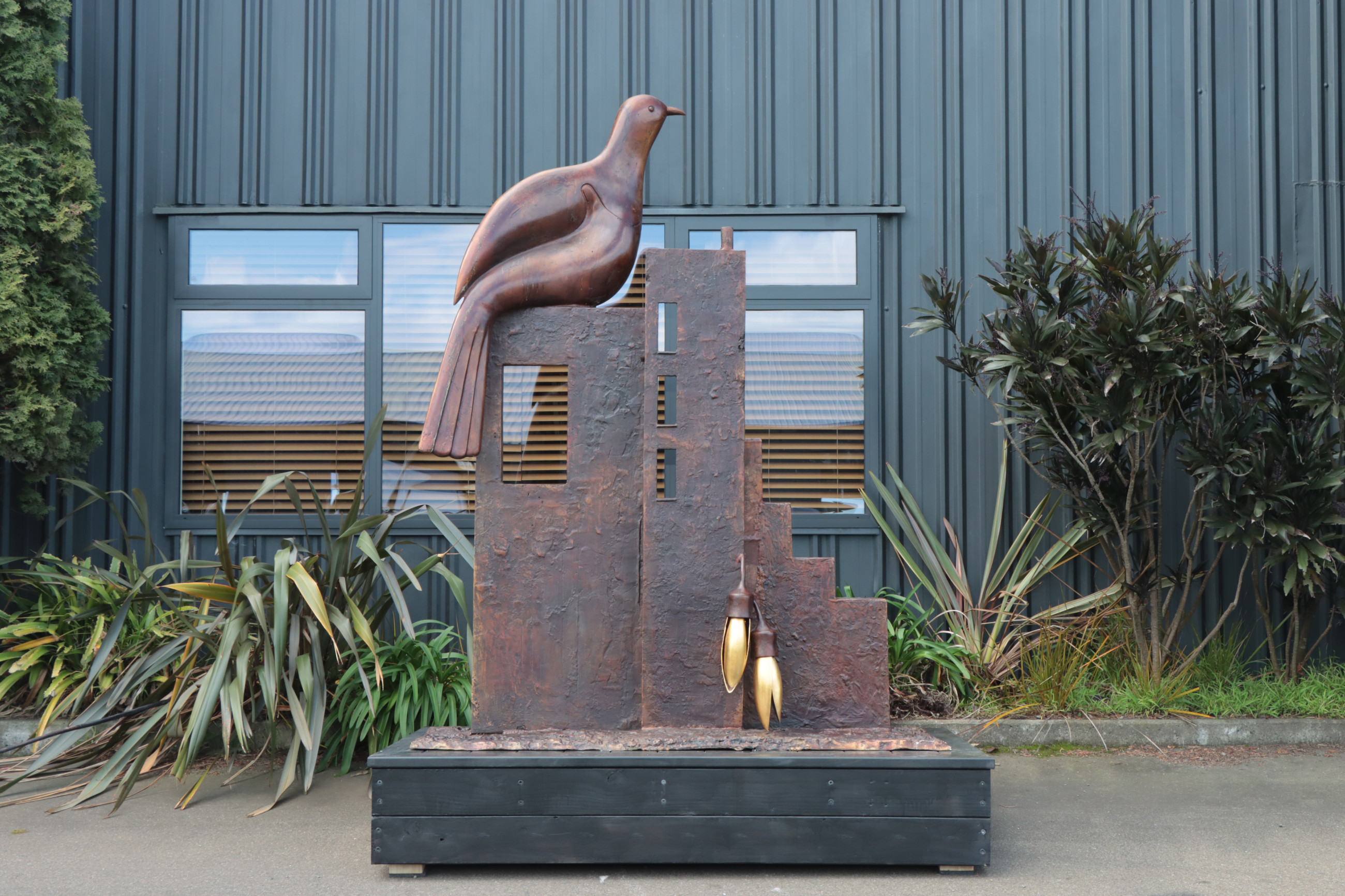
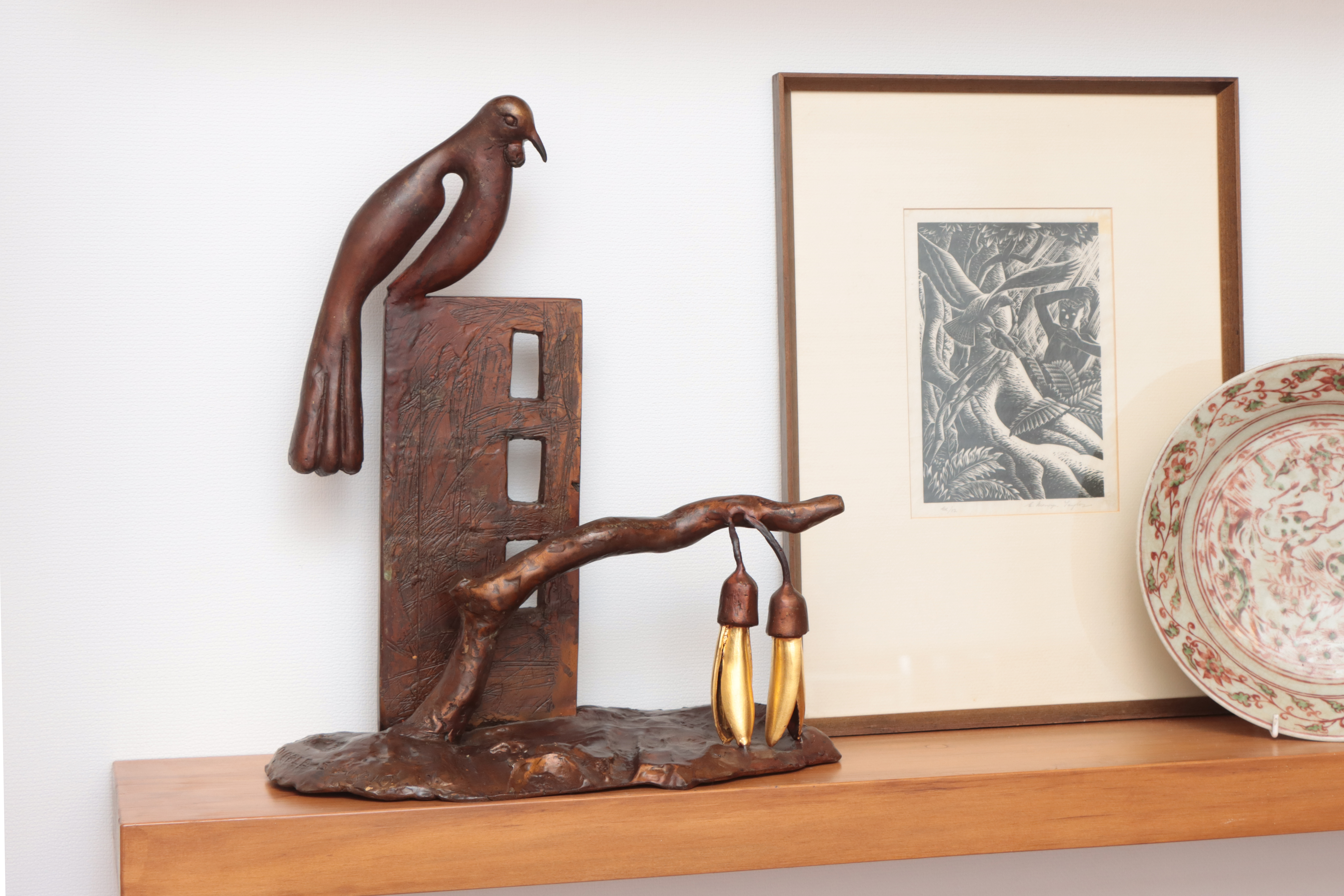
A limited and finite collection of works acknowledging the origins of the Studio based on the later works of Paul Dibble before he died (2023). They predominately feature the kōwhai flower and huia bird.
As well as being iconic symbols of New Zealand, the huia is a particularly poignant symbol of not just beauty but of loss, as they were hunted to extinction. Their feathers indicated mana when worn on the head by Māori and Victorian collectors prized them as specimens. They were last seen in the Tararua ranges, not far from where the Dibble Studio workshop is located.
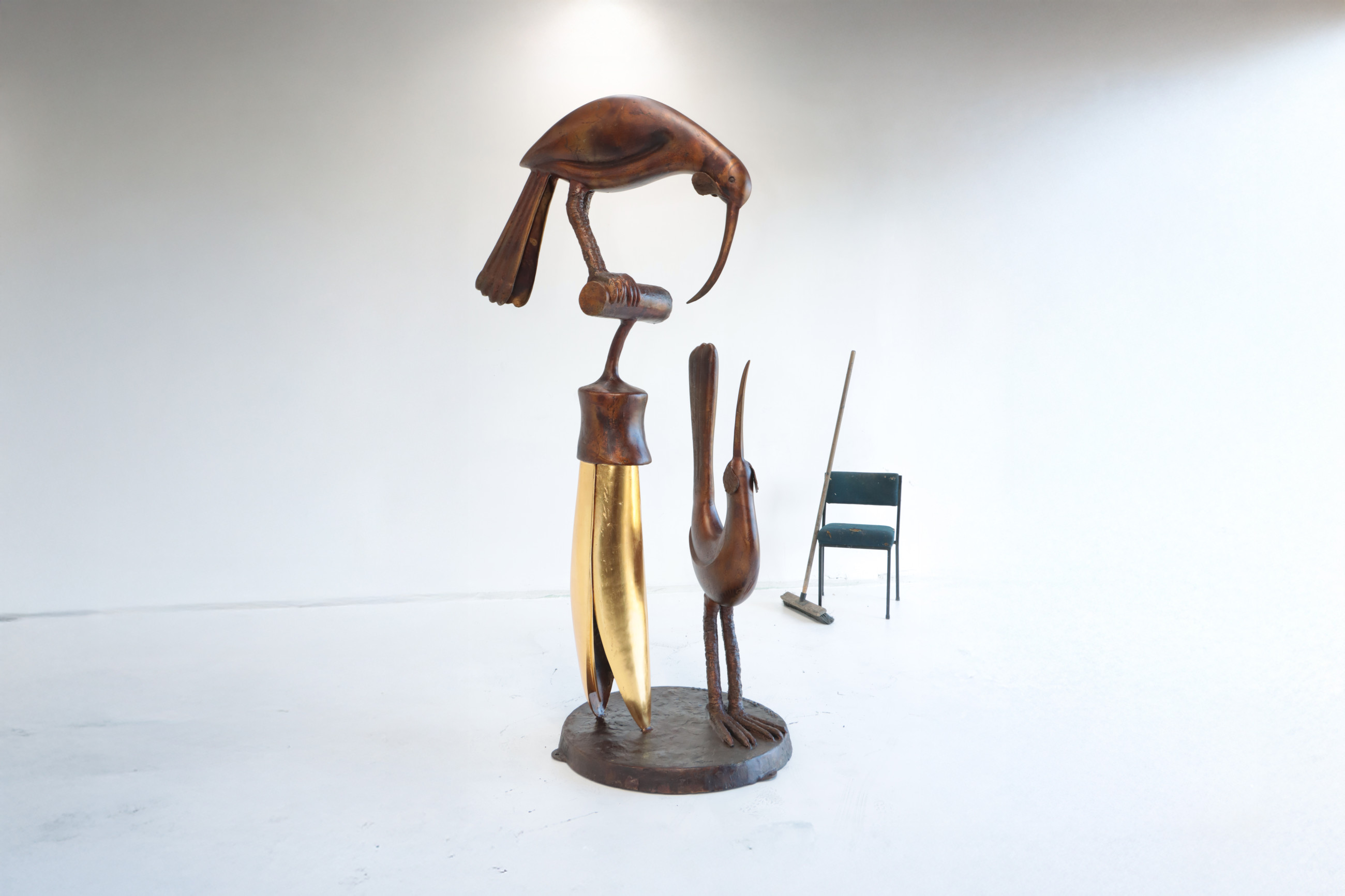
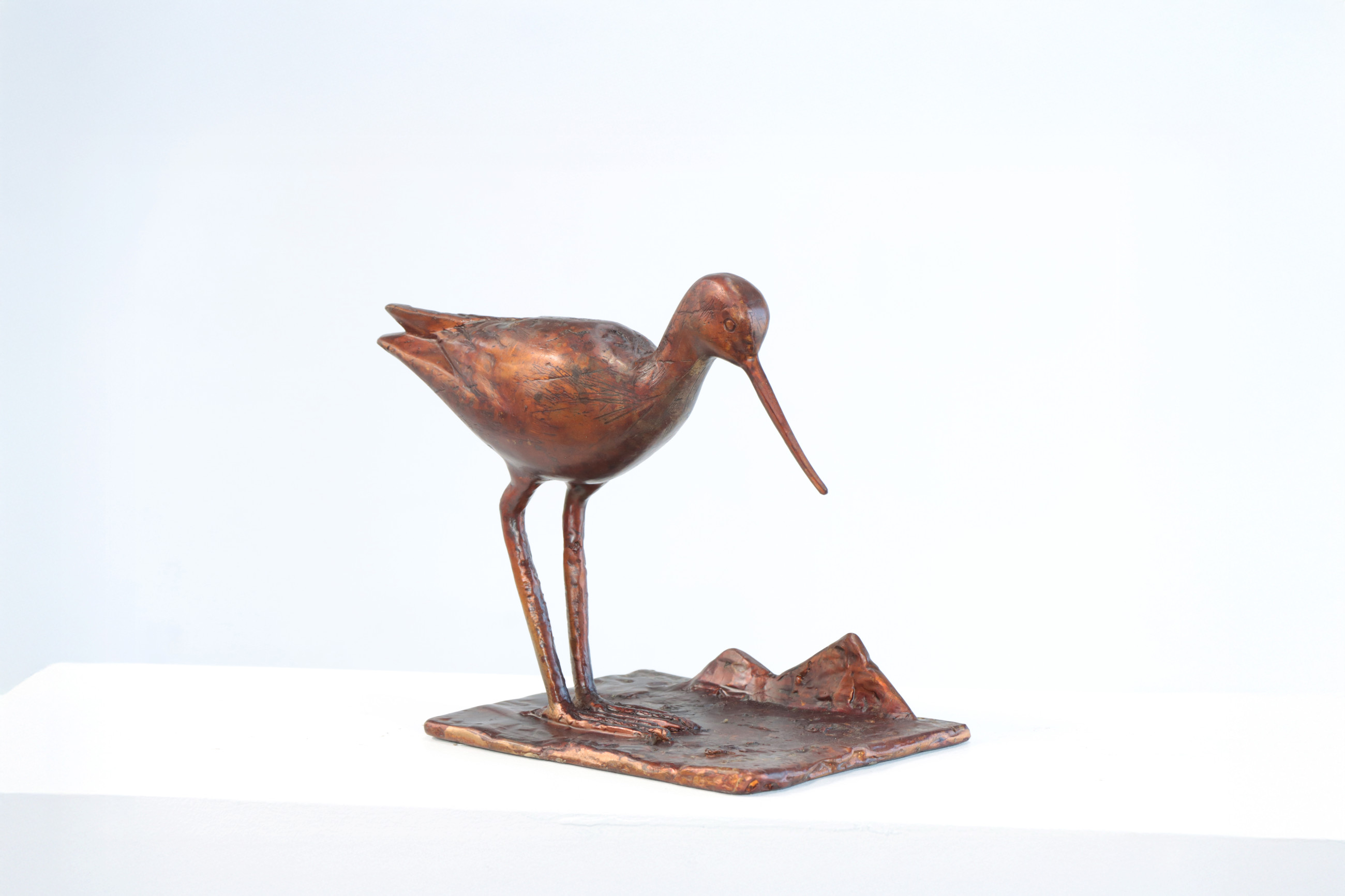
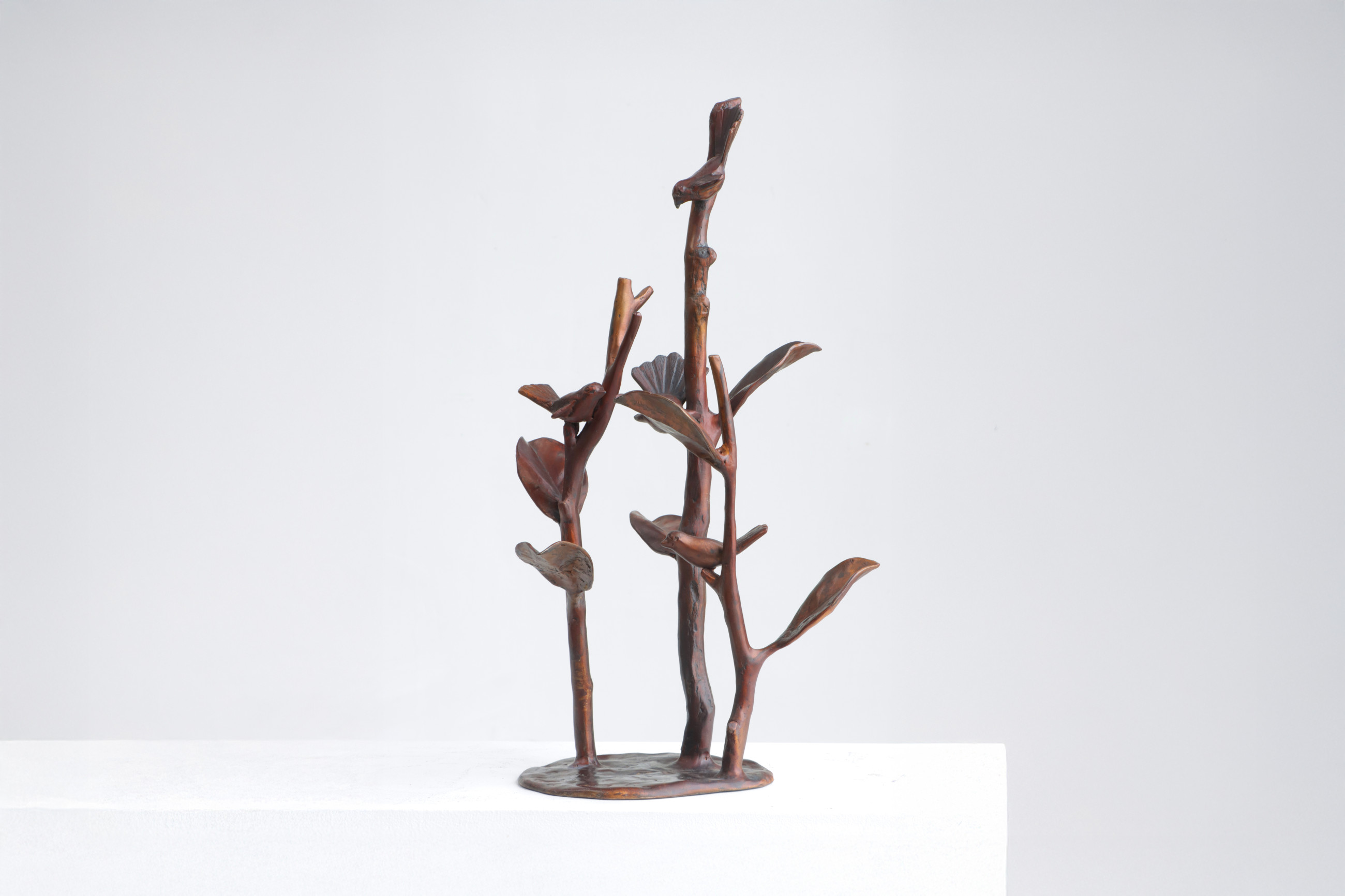
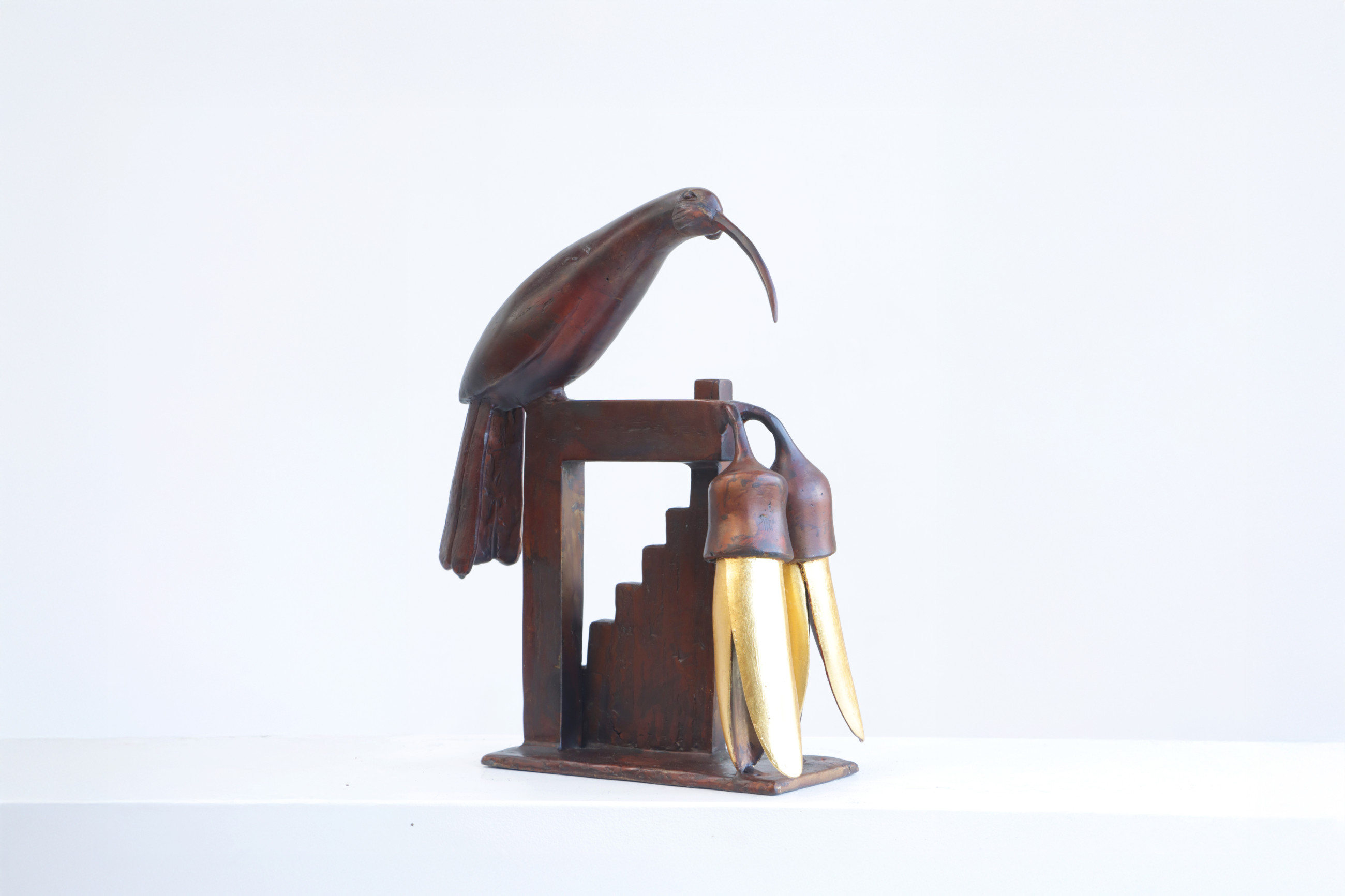
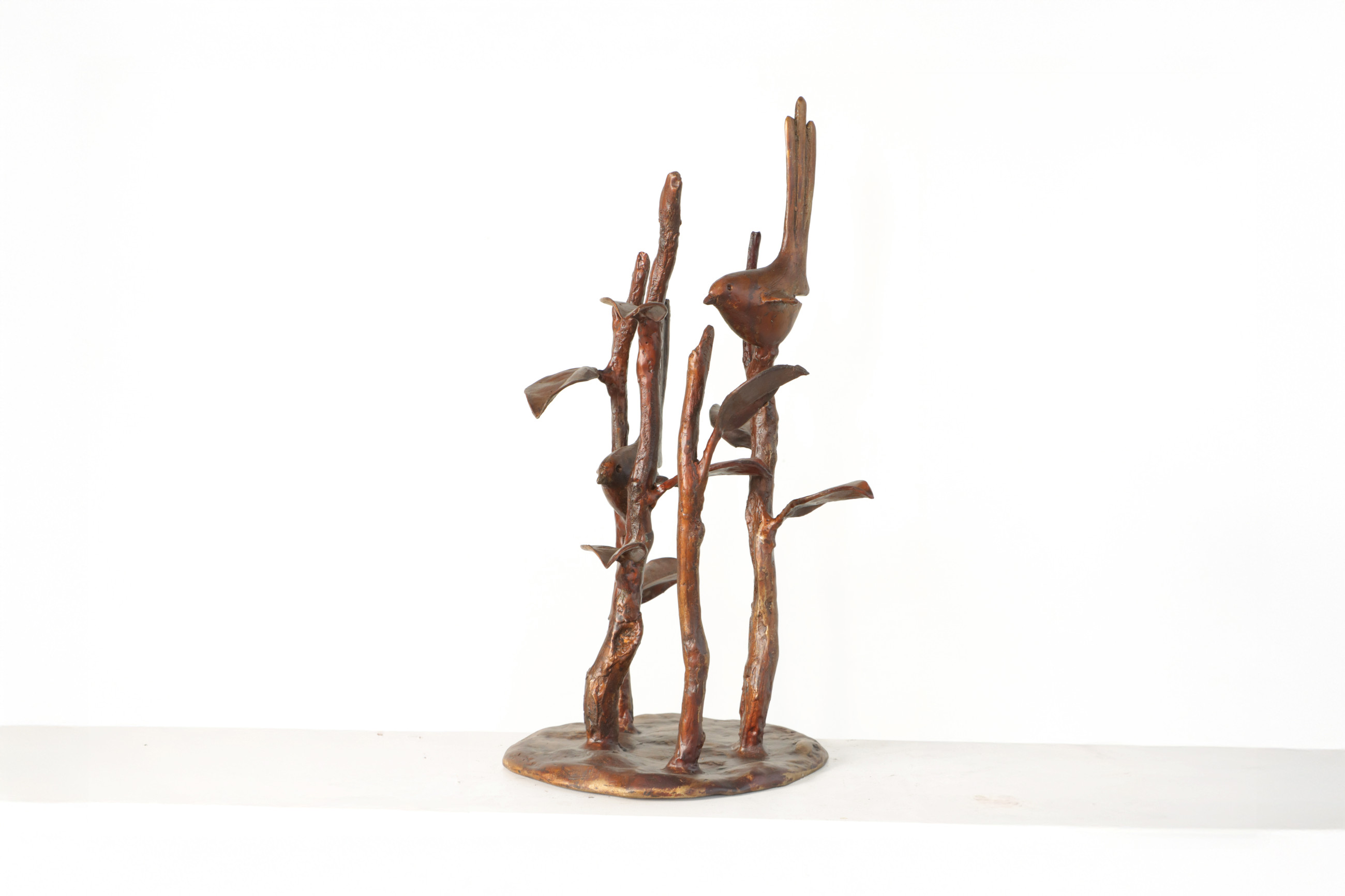
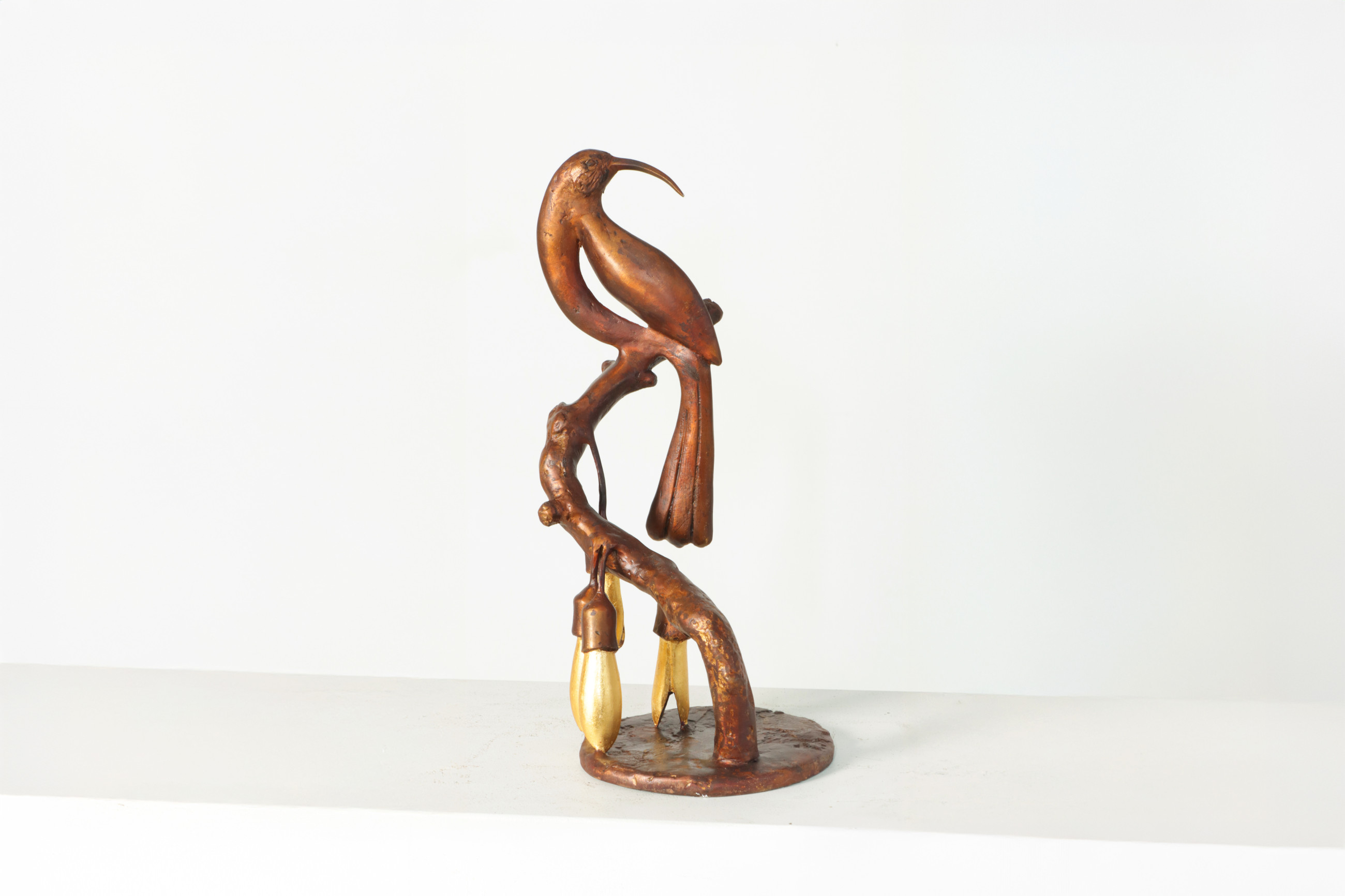
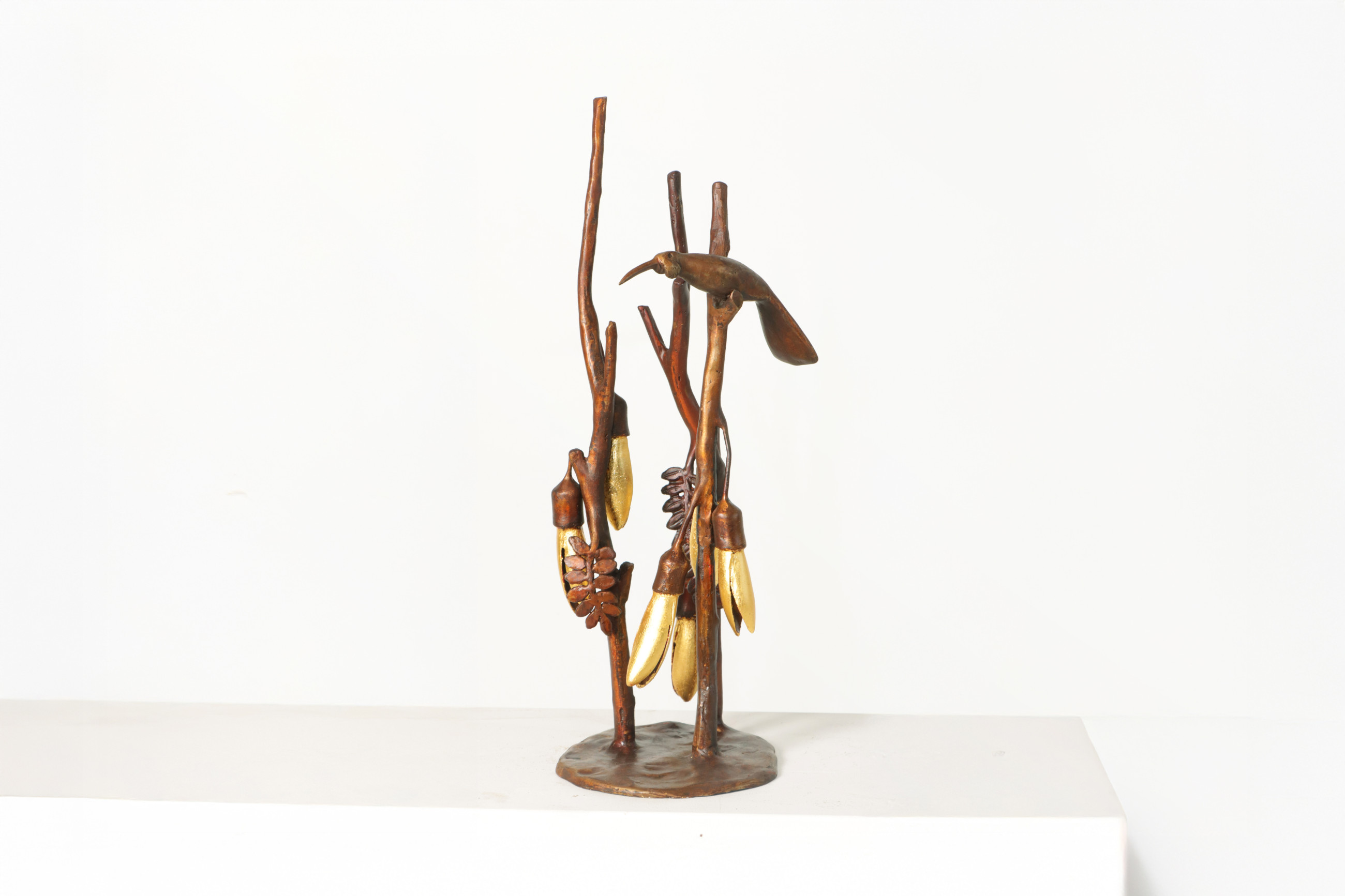
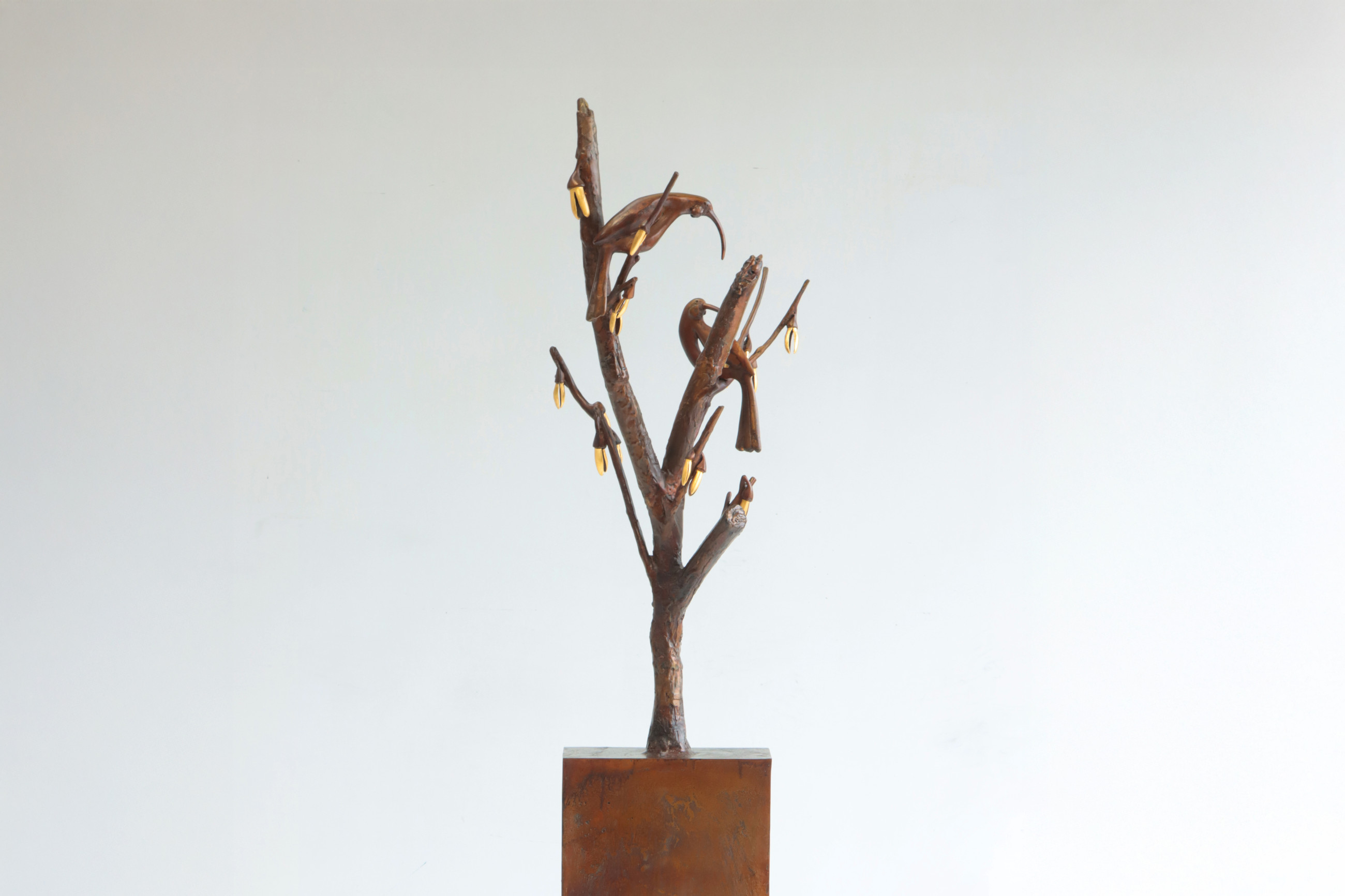
Referencing Dialogue of Two Huia
Tribute: Lone Godwit
Tribute: Flock
Tribute: Old Ghosts in New Towns
Tribute: Birds in the Crowded Bush
Tribute: Above Golden Blossoms
Tribute: The Lost Bird
Tribute: Tree Study
Columns
Columns where birds perch describe the architecture of a young country, not Doric columns but a rugged stump sprouting ferns and growth.
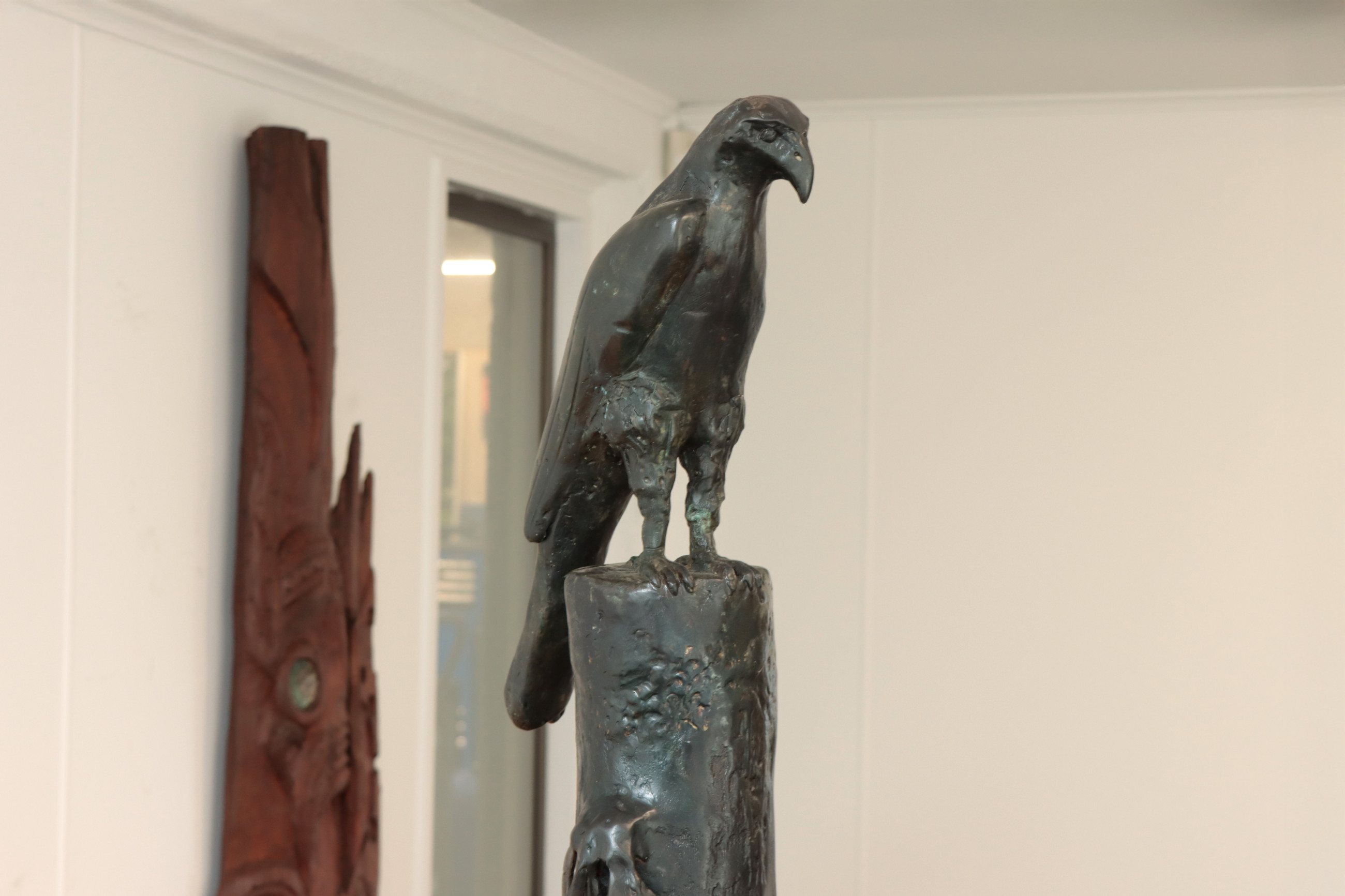
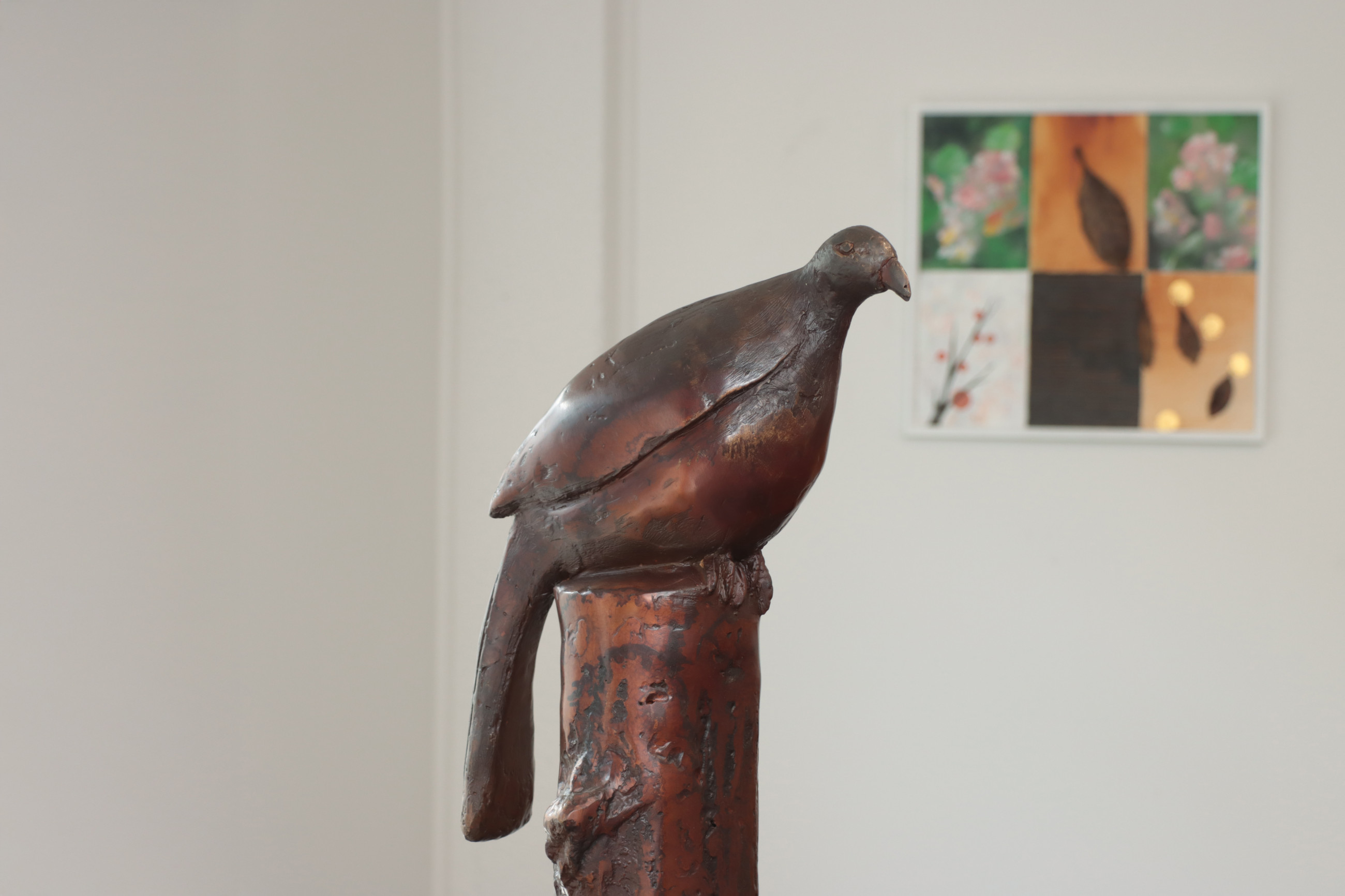
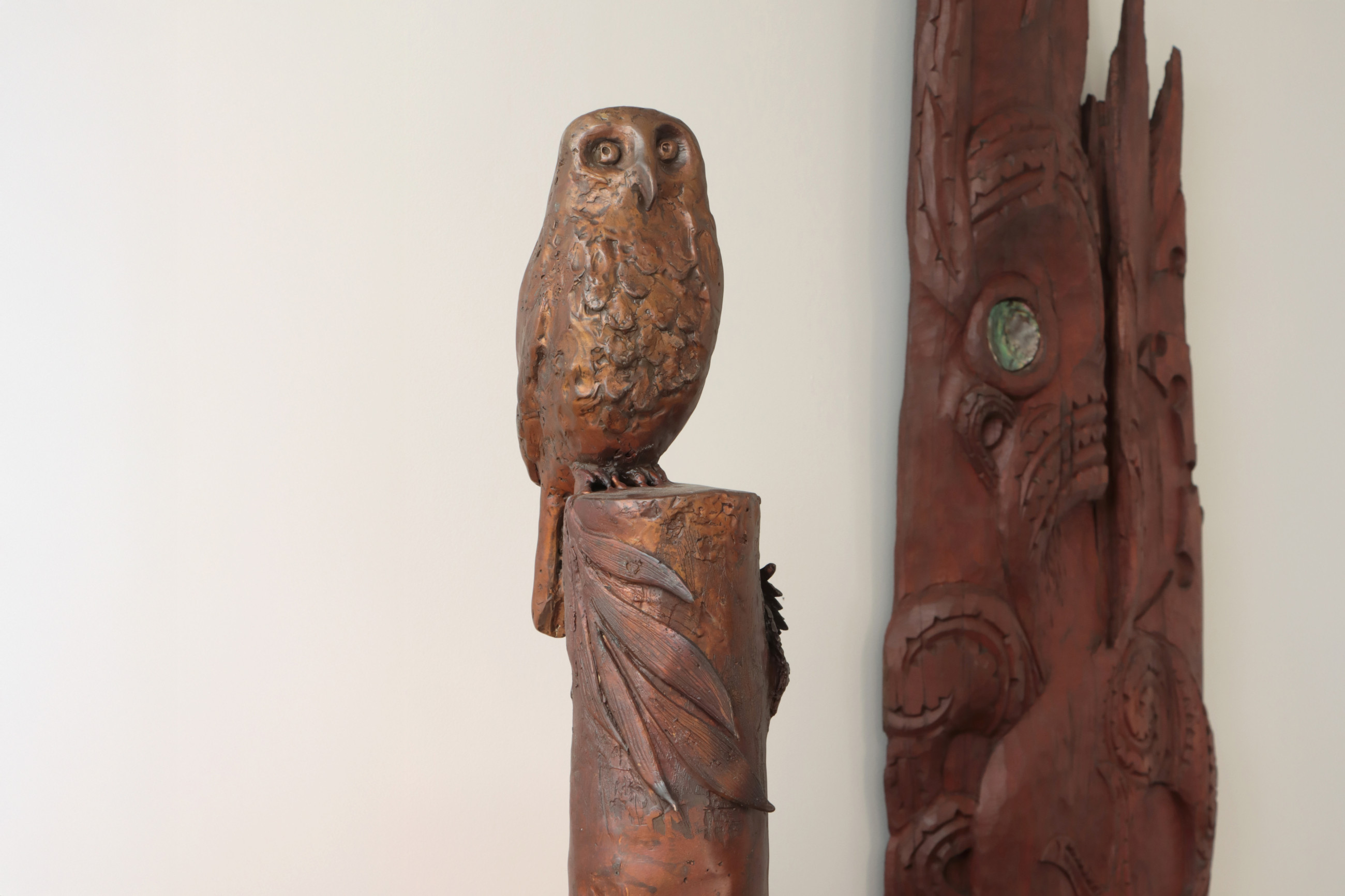
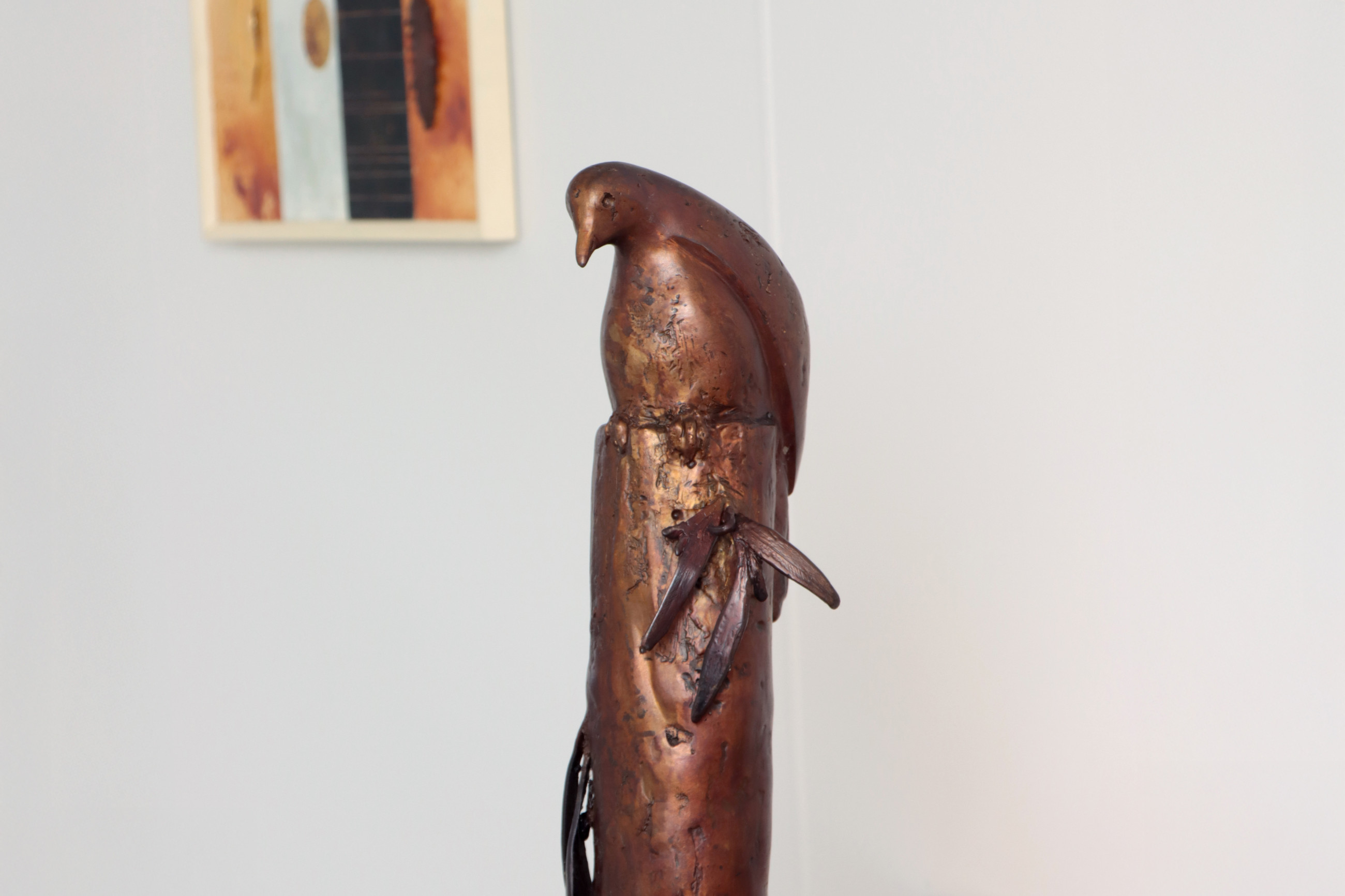
Falcon on a Native Plinth
Aotearoa Column
Requiem From a Swampland
Quiet Perch
City Birds
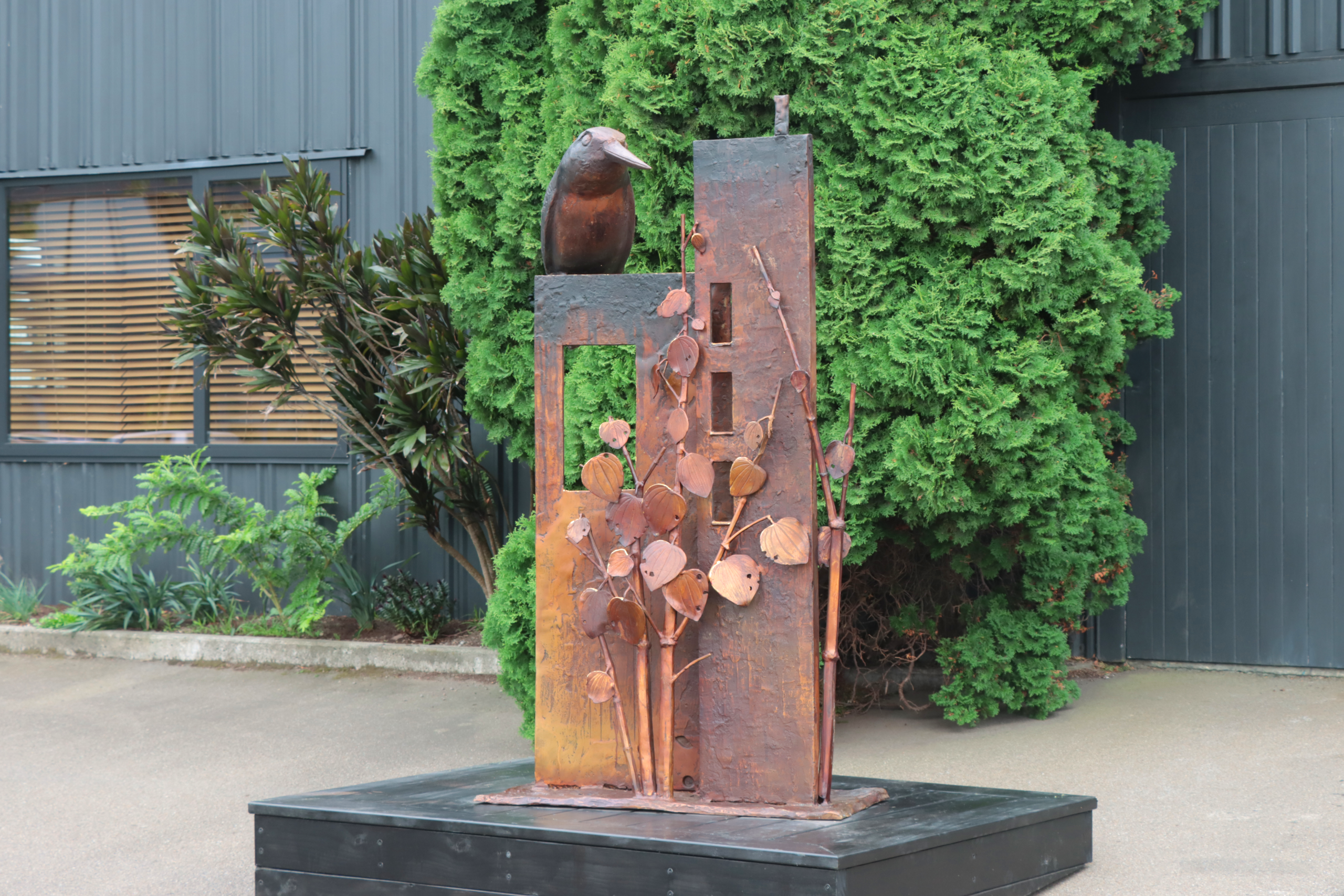
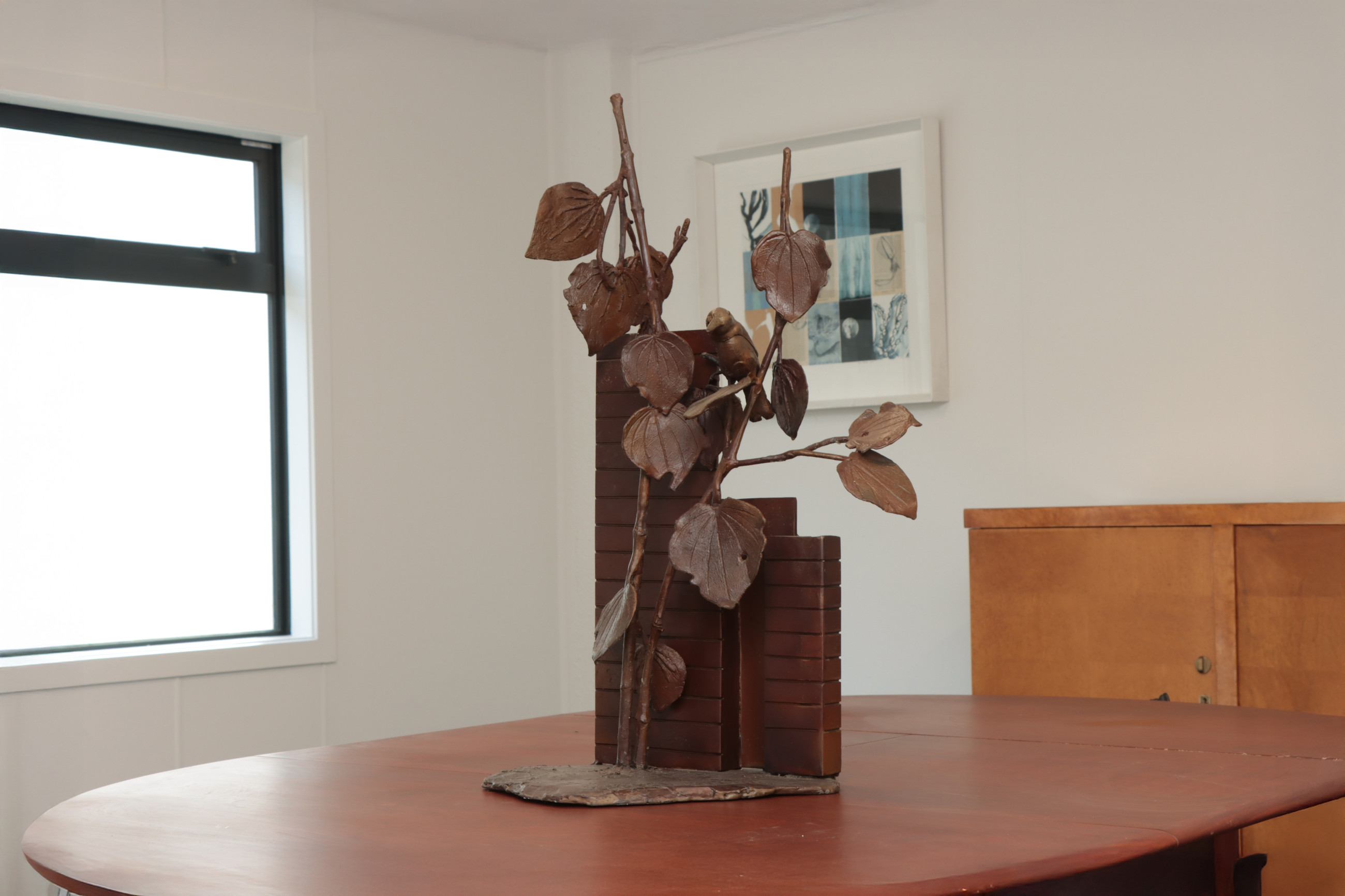
The return of native birds to cities is a change that has been achieved by an active program of fencing areas for sanctuary, planting natives and eradicating introduced predators. Sculptures with buildings and birds emphasise these ideas of a new structure to cities with an integrated presence of the natural world.
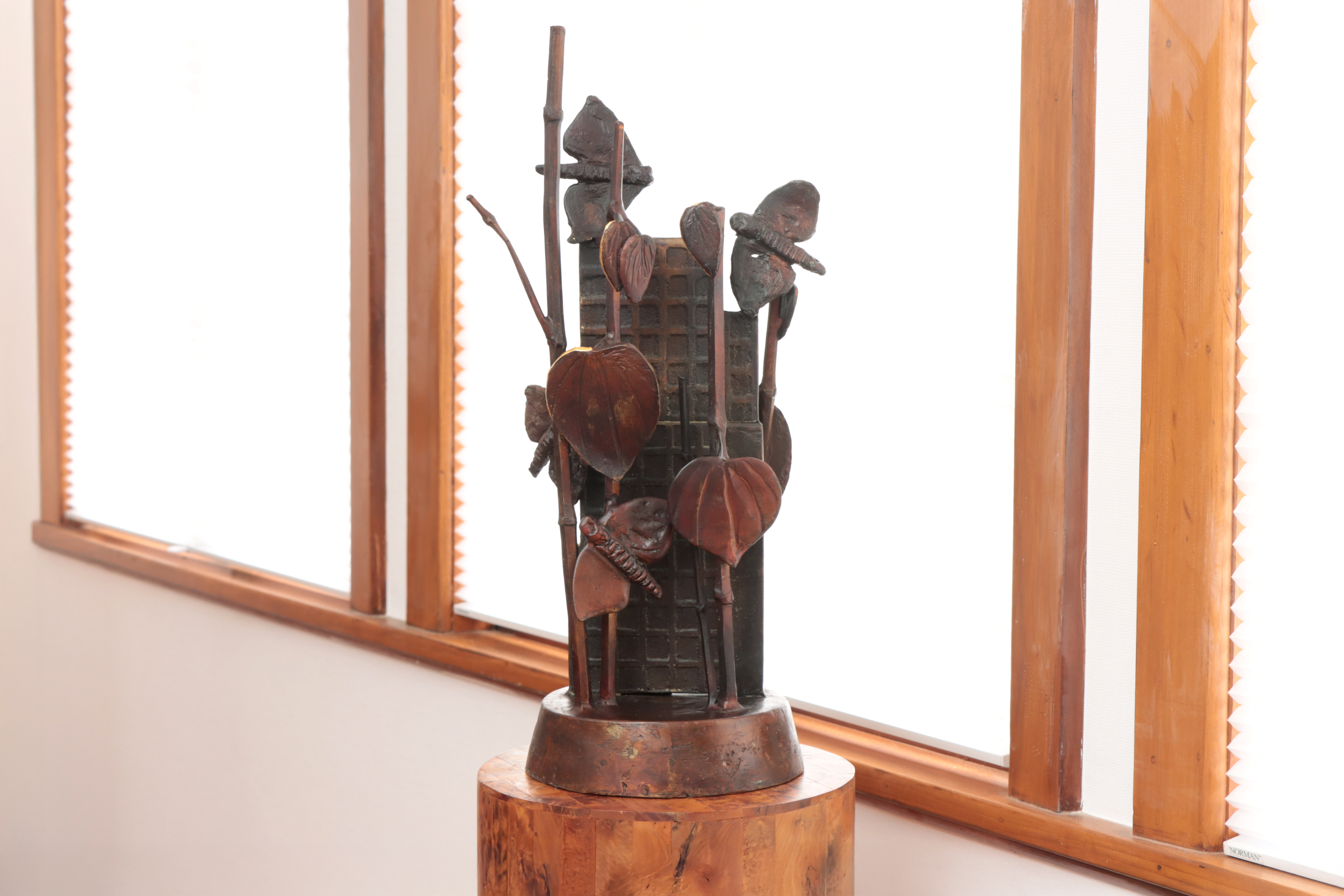
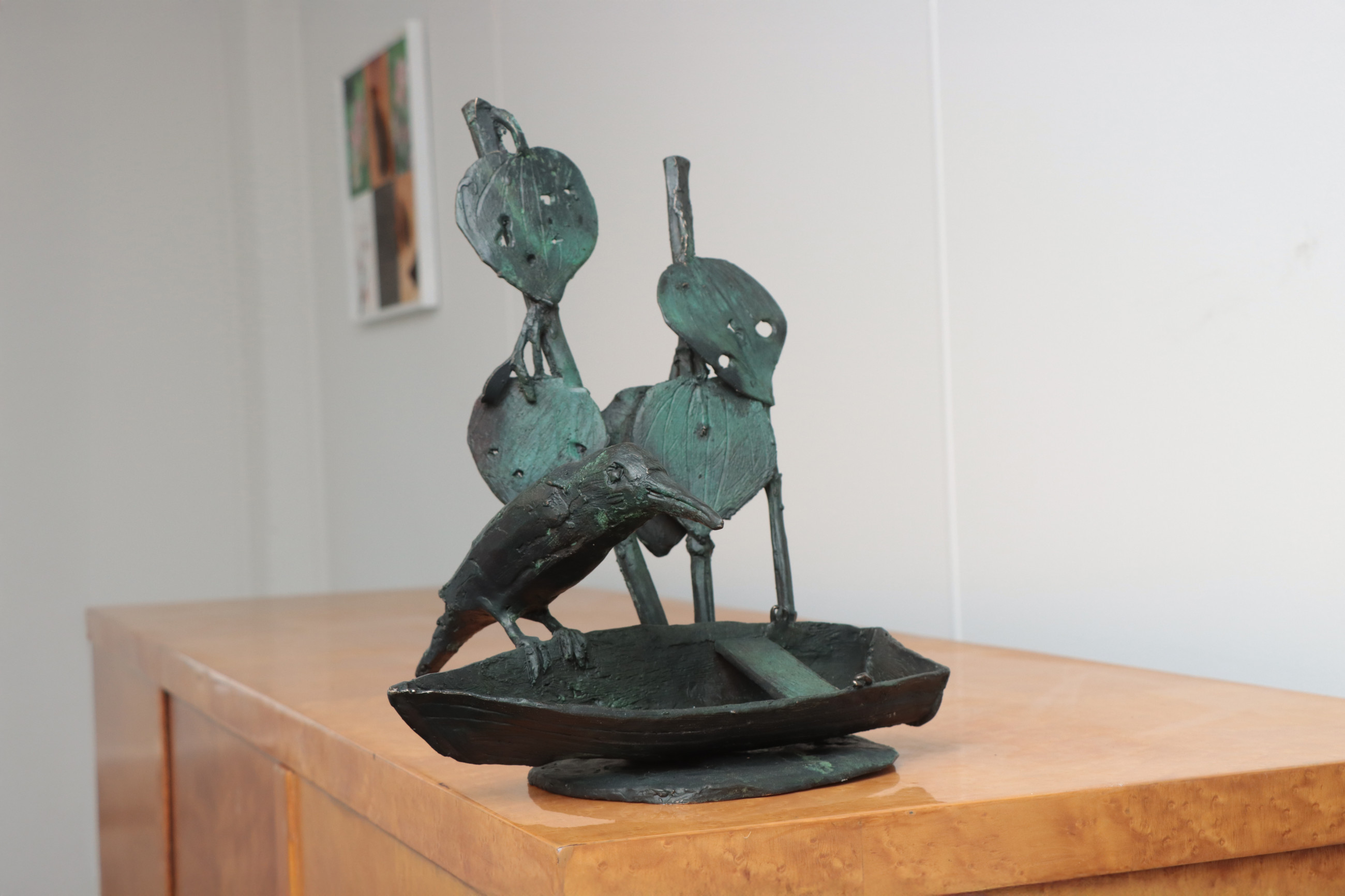
Kawakawa are known medicinal plants. Insects feeding on the leaves, producing the characteristic small holes, stimulate the plant to produce secondary compounds which aid healing.
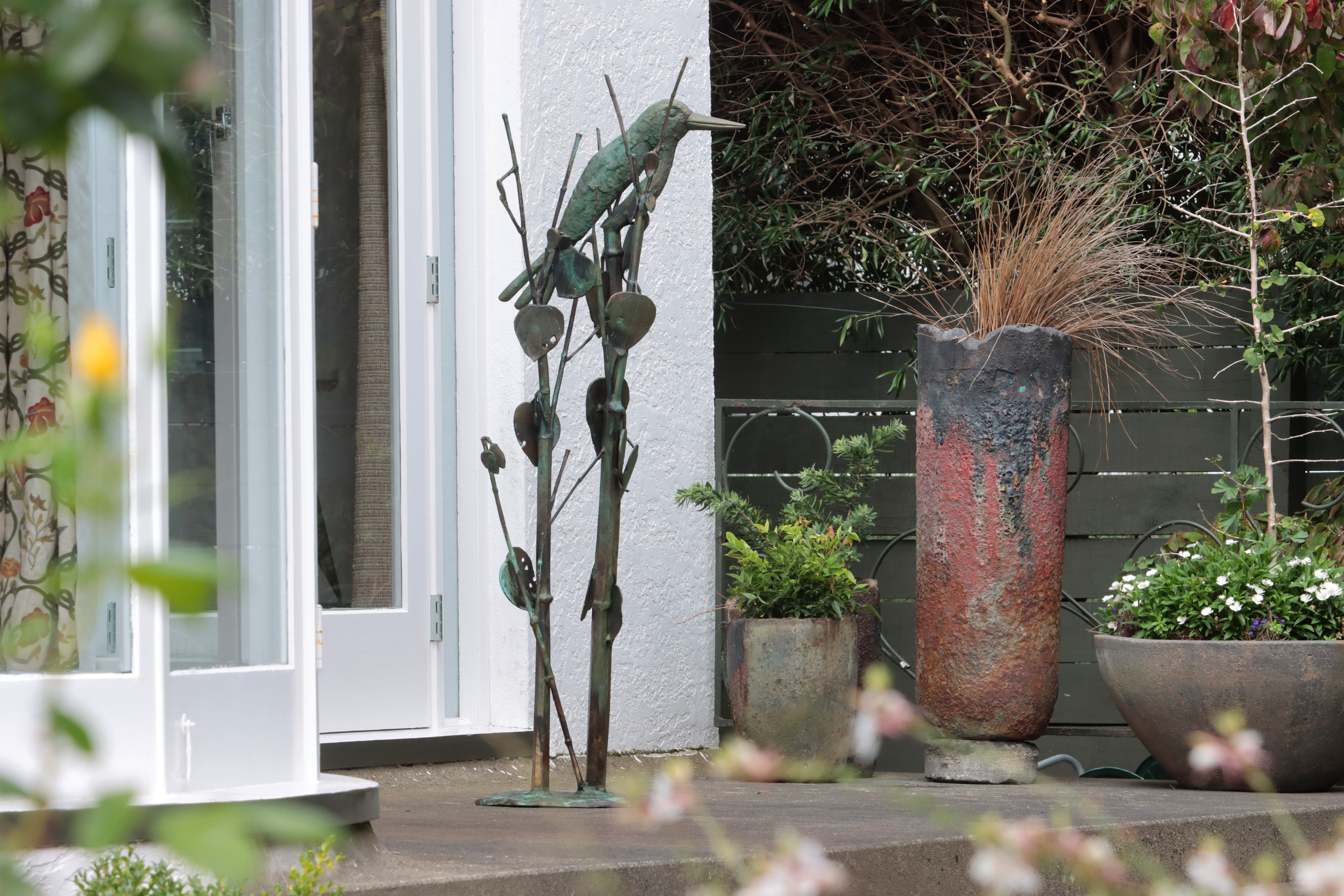
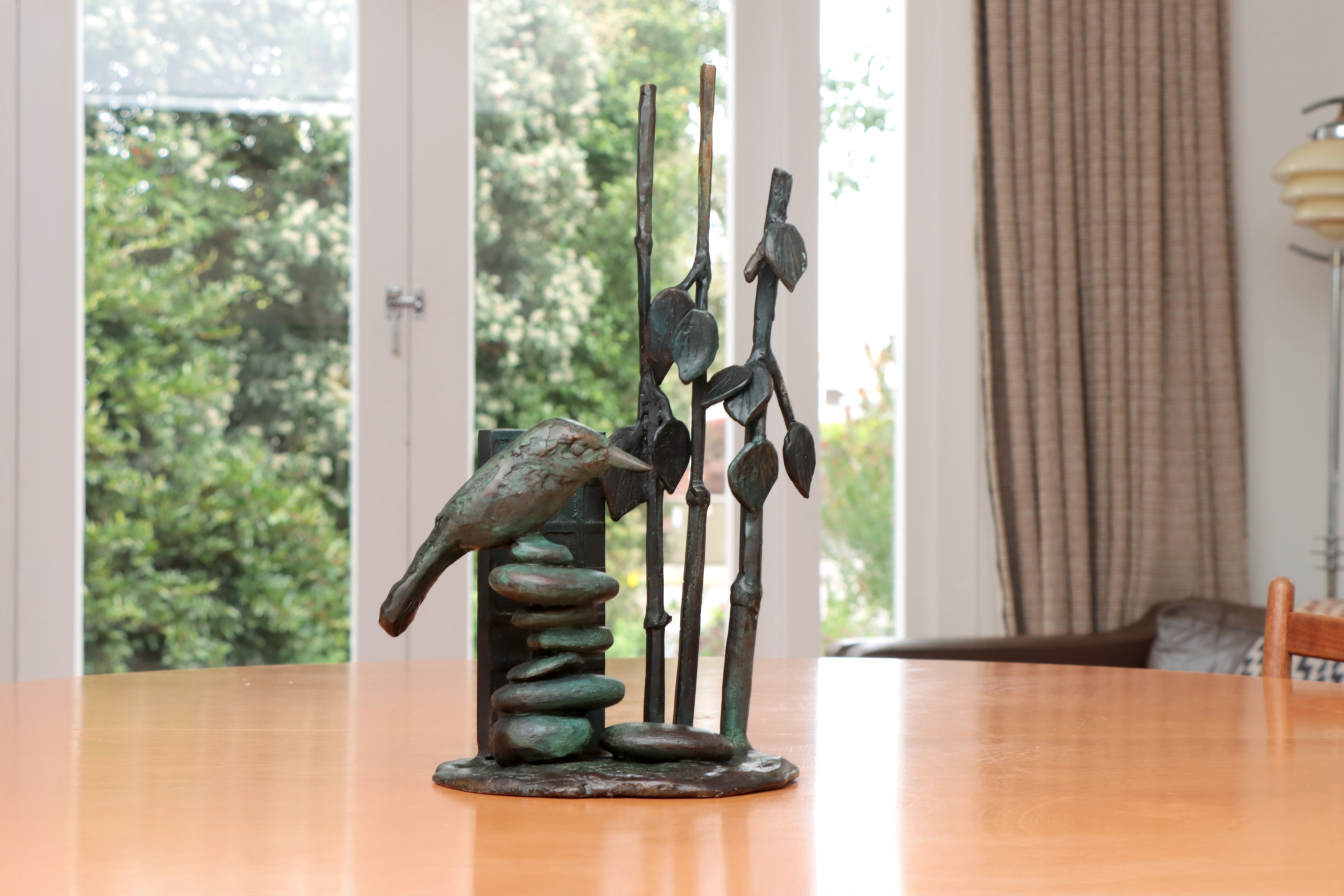
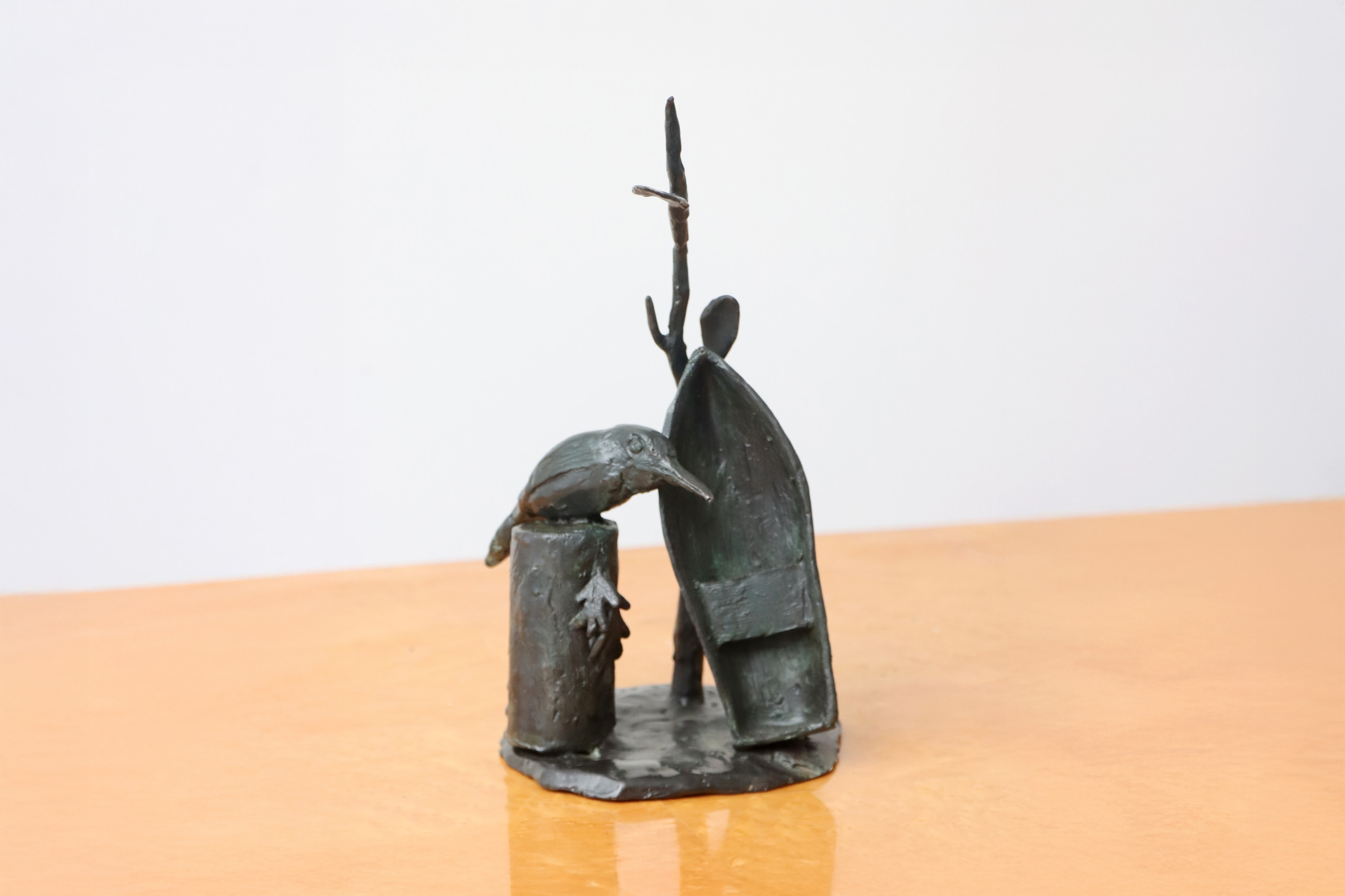
Kingfishers stand as symbols of freedom, courage and free spirit. Ubiquitous in their habitats they tend to be in estuaries, in open or semi-open land perching on banks or standing trees. They have a distinctive silhouette, hunched ready to dive with their dramatic hunting techniques.
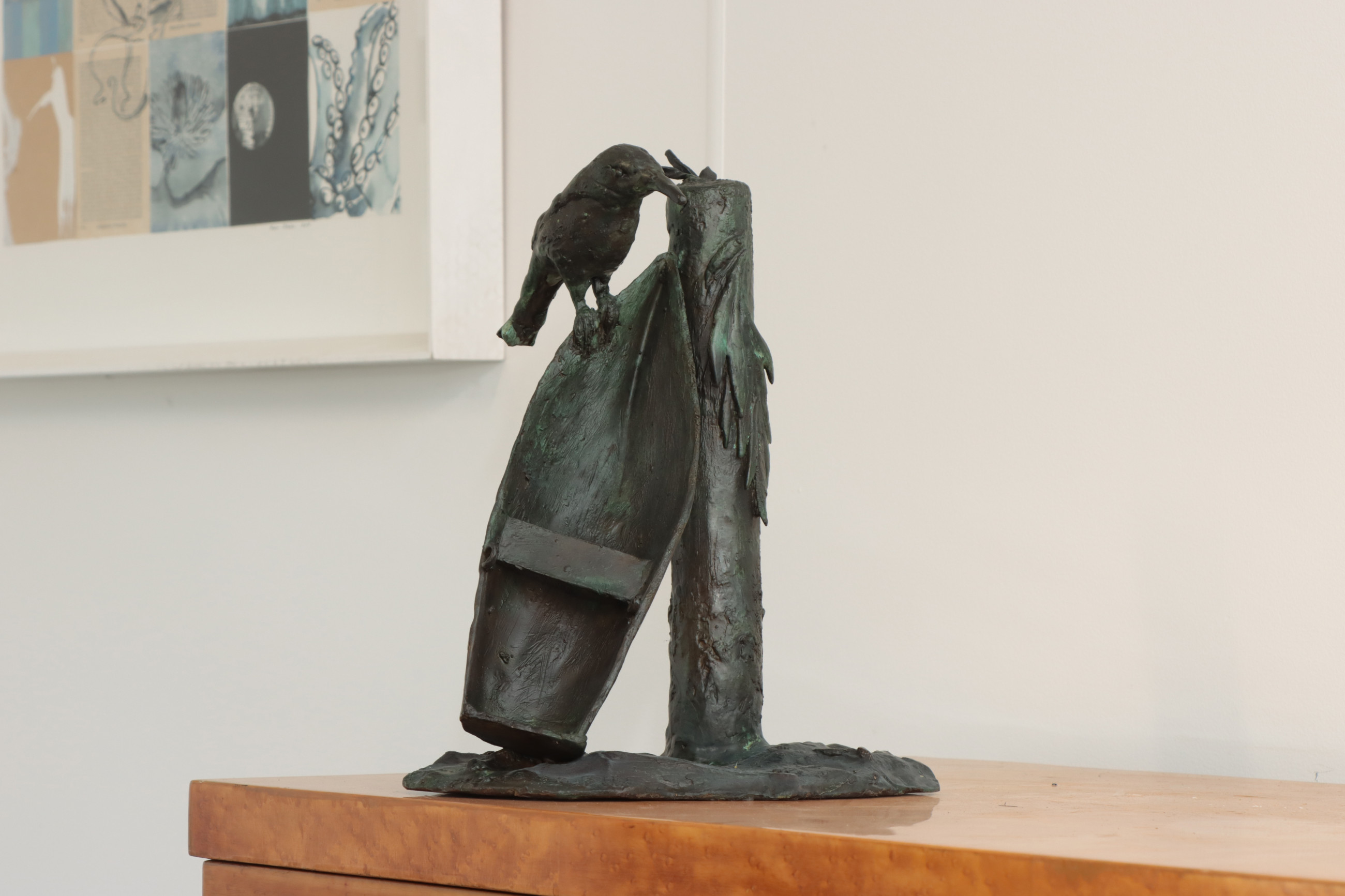
Healing a Busy World model
Healing a Busy World
Hiding in Plain Sight
Travelling to New Places
A Move into the City model
In Isolated, Forgotten Places
Journeys into Magical Lands
A Move into the City
A Fearless Diver Waits
Bird in the City
Contact
To view works, the following galleries represent the Dibble Studio.
Milford Galleries
Dunedin and Queenstown
[email protected]
Zimmerman Art Gallery
Palmerston North
[email protected]
James Blackie
Wellington
[email protected]
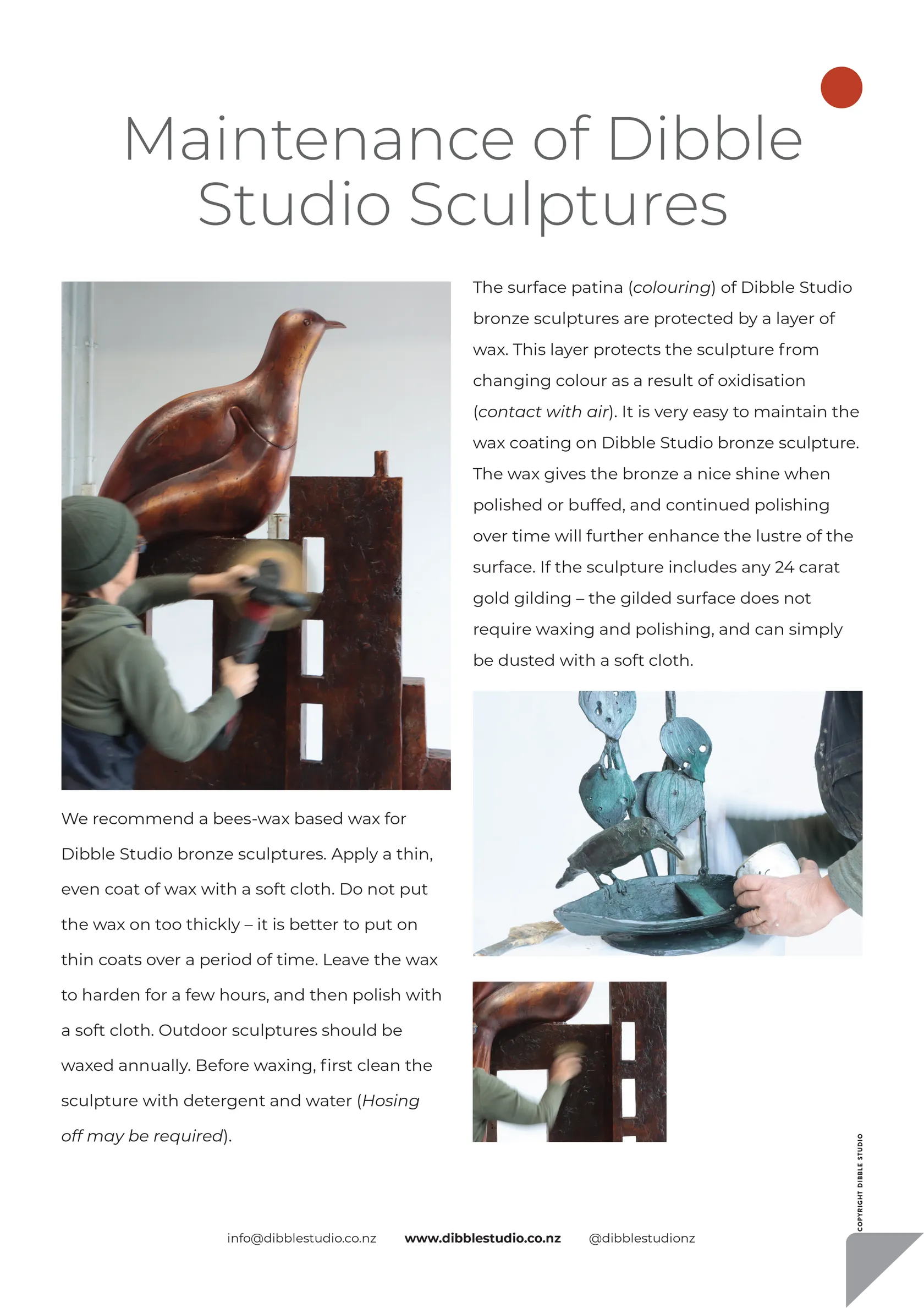
Maintenance of Sculptures