History
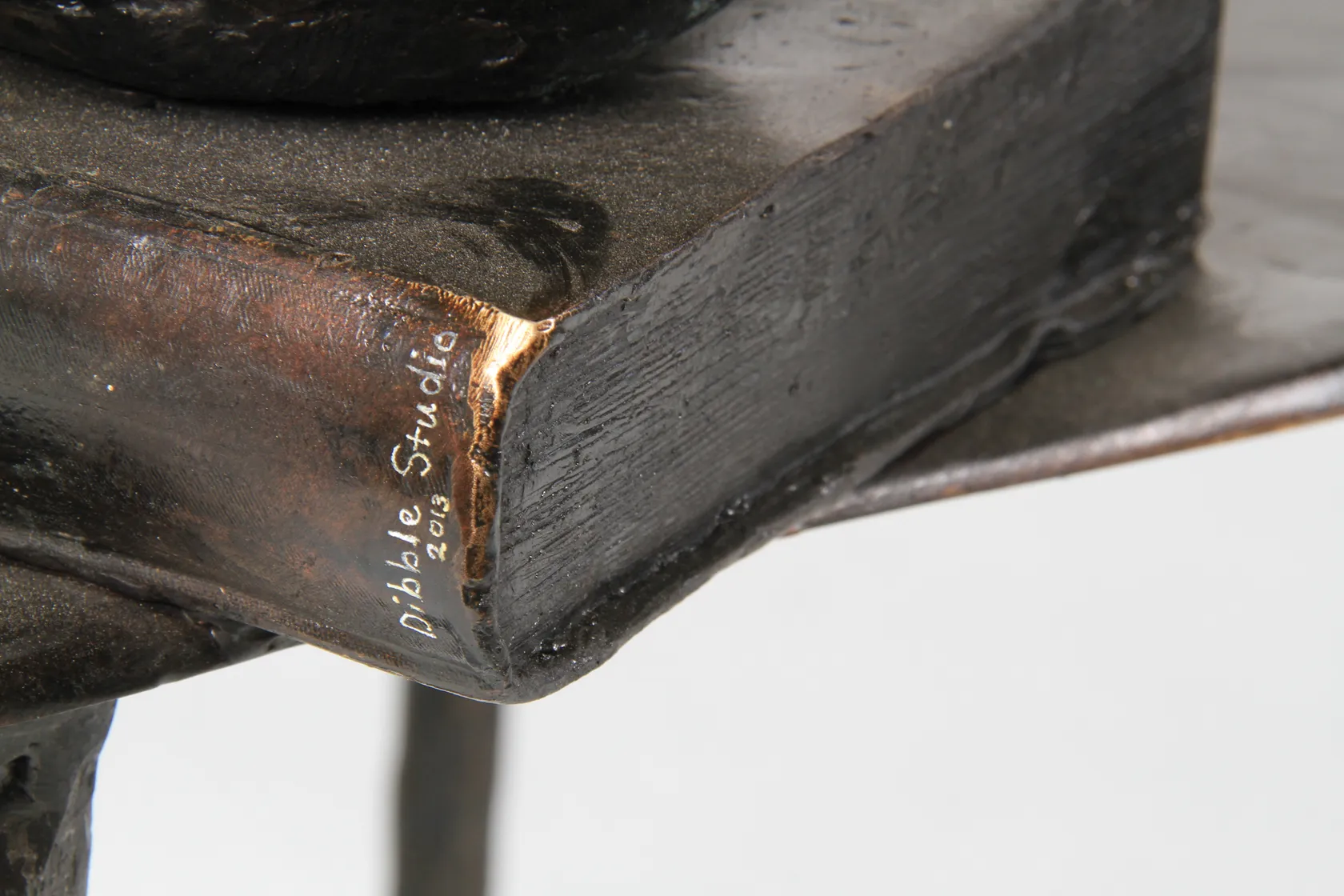
Dibble Studio was founded in 2013 with a series of applied artworks.
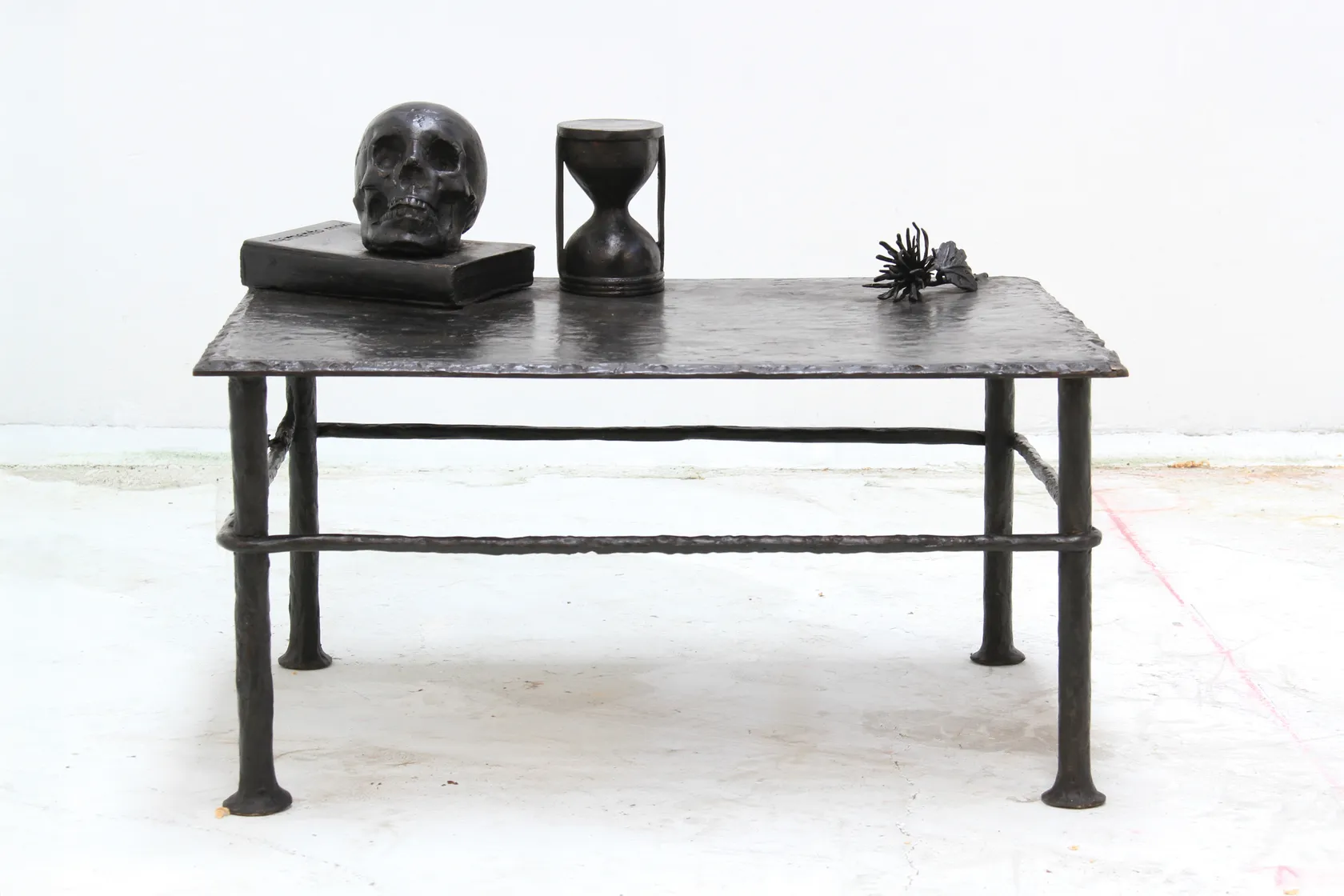
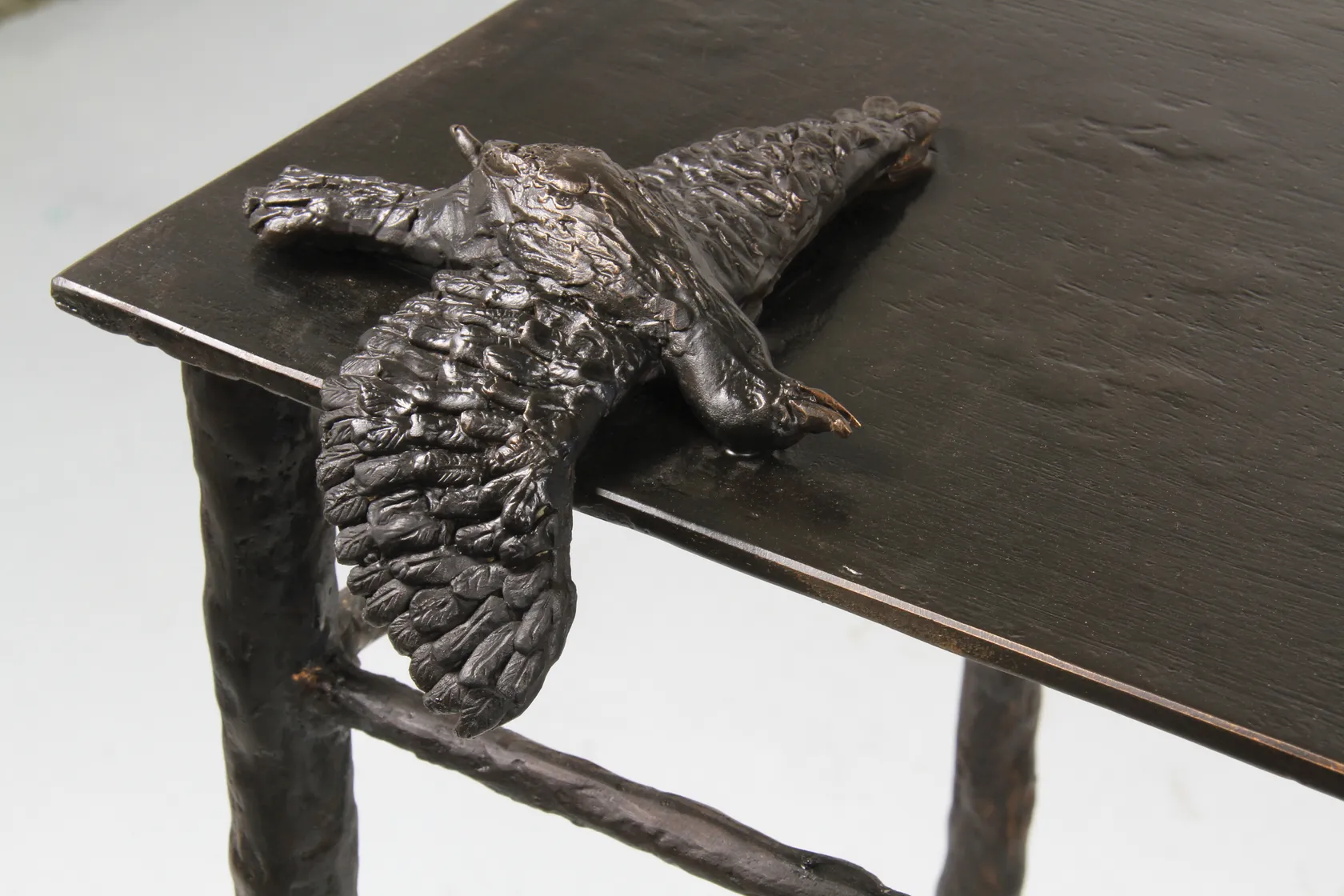
Referencing the works of Diego Giacometti (the famous sculptor’s brother) they comprised bronze tables with thin nobbled legs sometimes with glass tops, all modelled by hand and cast at the studio.
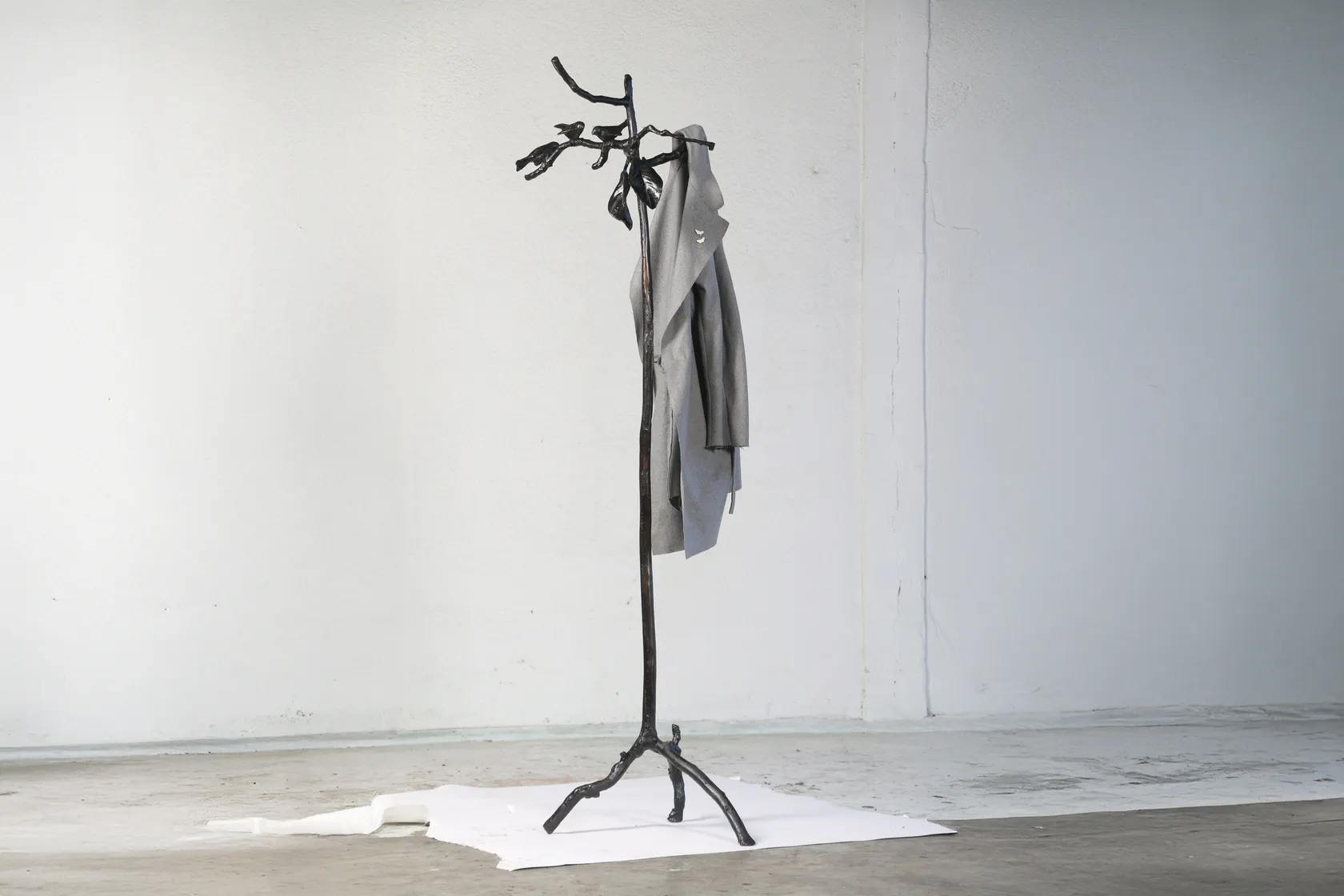
The first of these were more fanciful with ‘faked’ stacks of books and other elements to describe loosely narrative stories and themes. Items like book ends and coat racks were also produced.
Commissions
Dibble Studio, as with many artist practices, often takes on commissions where a specific theme is requested, or a sculpture needs to be site specific.
Ngatapu Station Gate Work
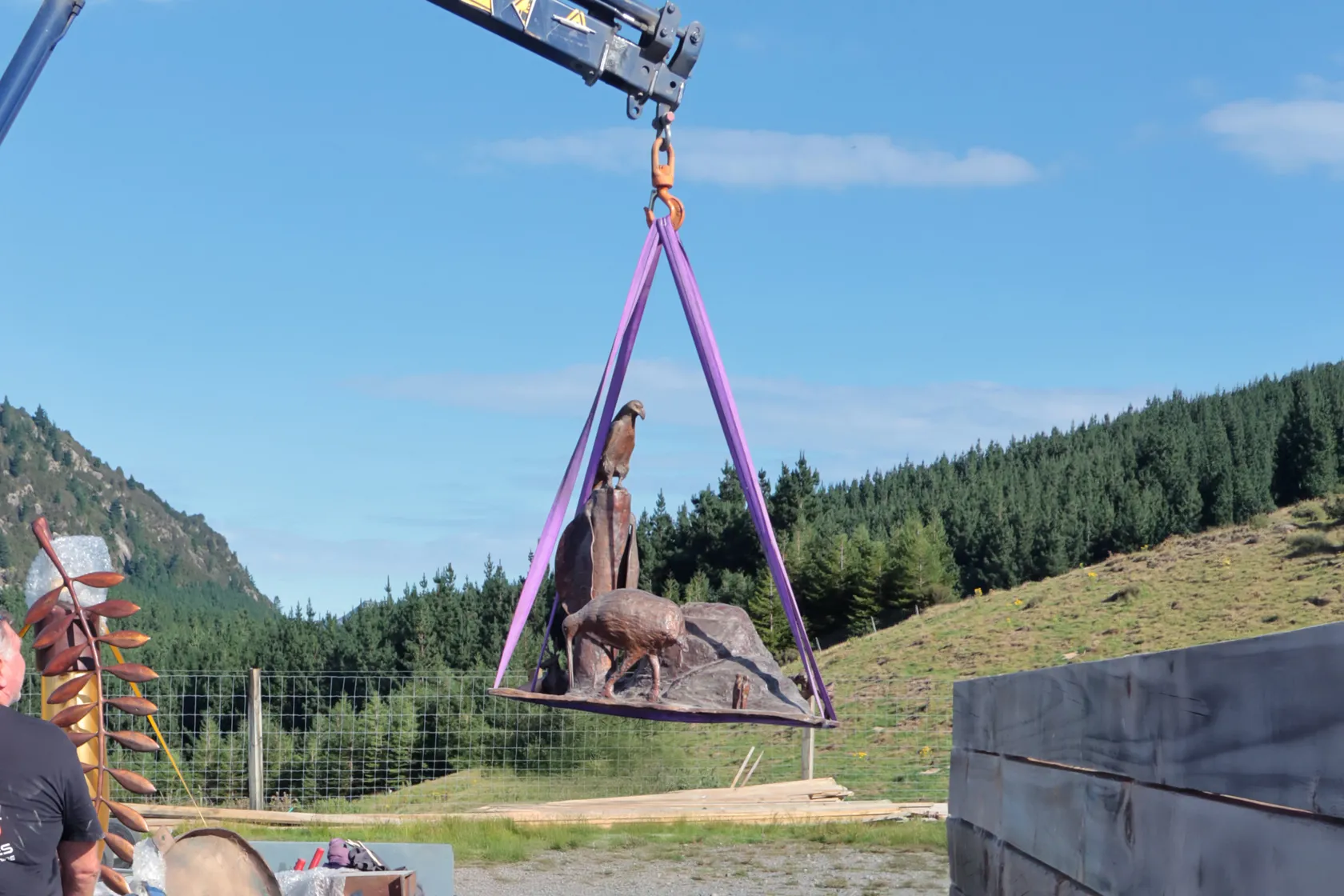
The gateway work was commissioned for a large block of land called Ngatapa Station situated between Taupō and Napier, to sit on two large stone plinths either side of a gateway to the farm and native land block. Keen to reflect the natural features of the area six of the local native birds are positioned over-scaled, the people becoming insignificant in the landscape.
APPROXIMATE DIMENSIONS FOR EACH | 1300 x 1000 x 1000 MM
New Horizons
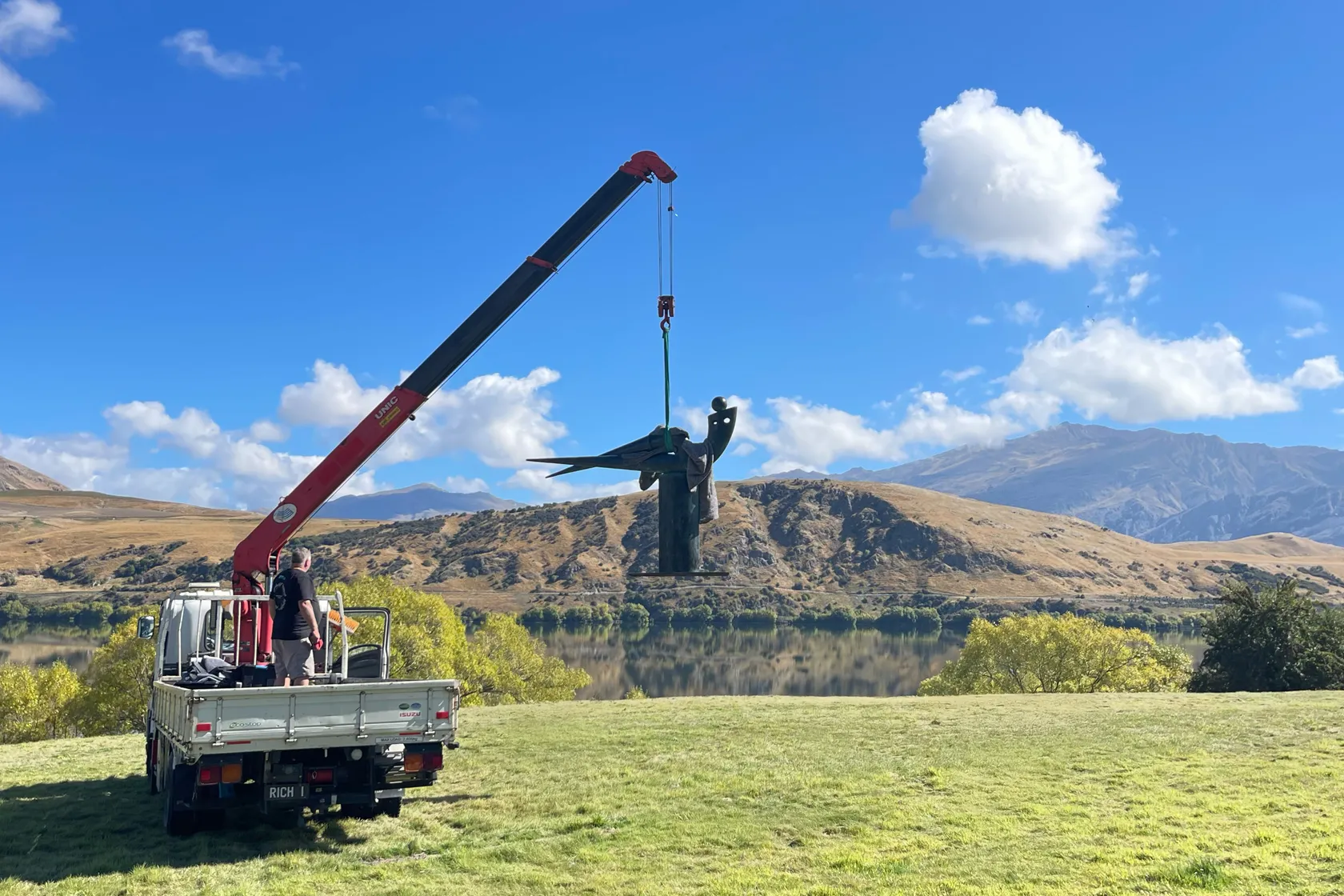
Commissioned for a site at Lake Hayes in Queenstown New Horizon is an abstracted figurative work of a female form reclining. The long length of the leg echoes the horizon beyond while the other leg, a simple cone shape, tips forward in an unexpected slant. The breasts are two simple cut out circles and the head is a ball, miraculously still on the tipped shelf of her shoulders. This study is based on drawings and models left by the artist Paul Dibble (died 2023) and never realised in his lifetime.
DIMENSIONS | 2180 x 2580 x 820 MM
Tributes
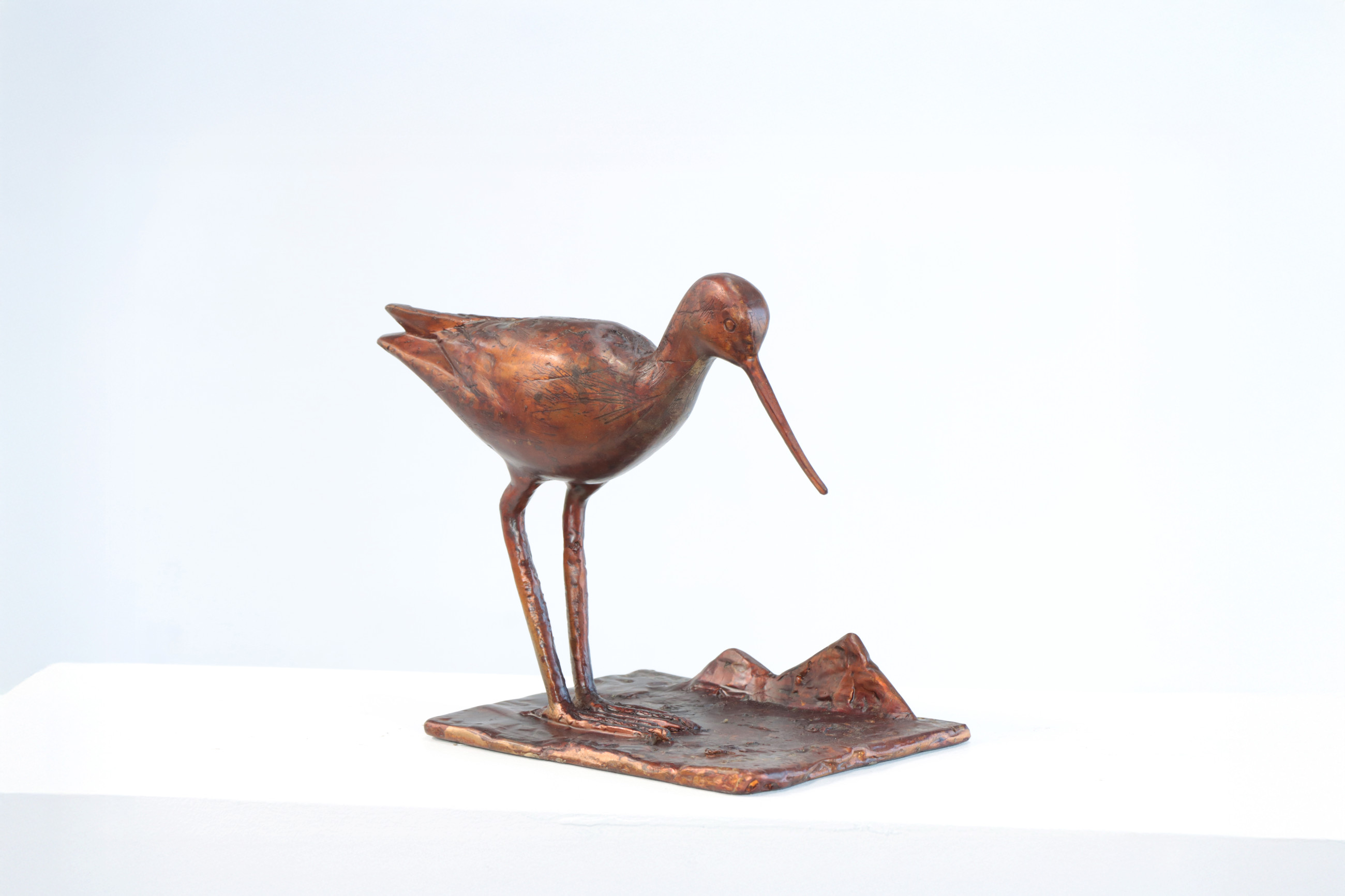
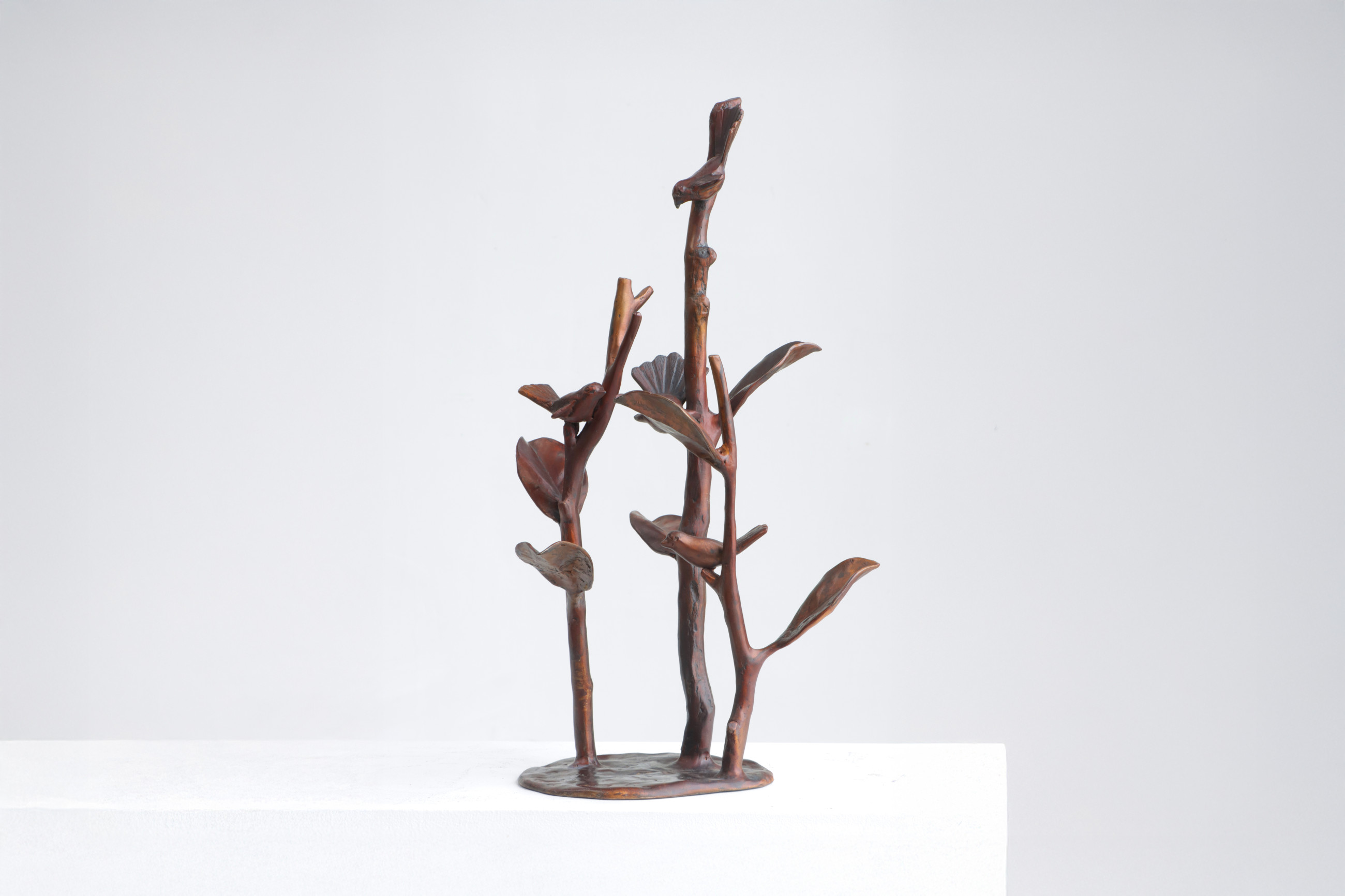
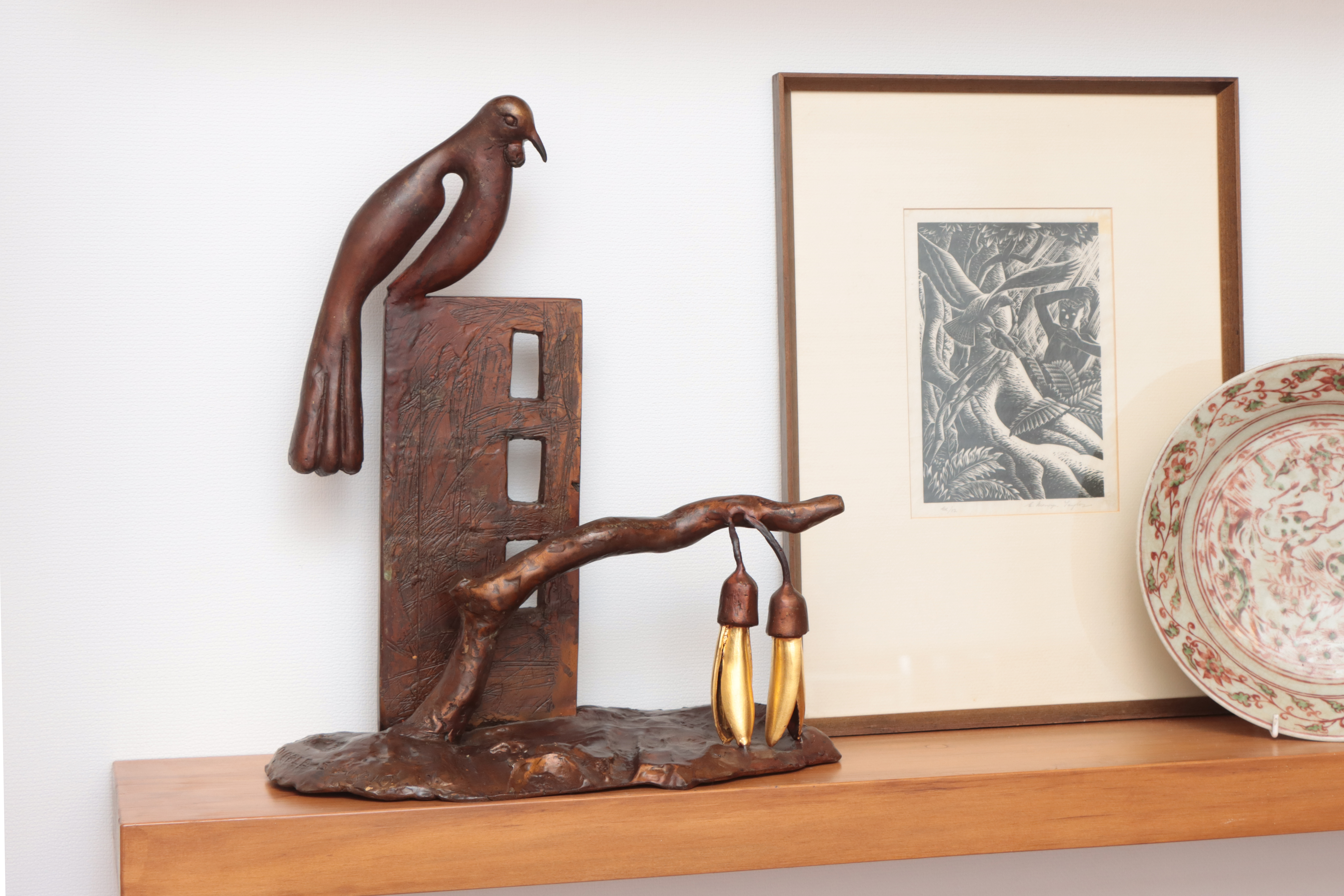
A limited and finite collection of works acknowledging the origins of the Studio based on the later works of Paul Dibble before he died (2023). They predominately feature the kōwhai flower and huia bird.
As well as being iconic symbols of New Zealand, the huia is a particularly poignant symbol of not just beauty but of loss, as they were hunted to extinction. Their feathers indicated mana when worn on the head by Māori and Victorian collectors prized them as specimens. They were last seen in the Tararua ranges, not far from where the Dibble Studio workshop is located.
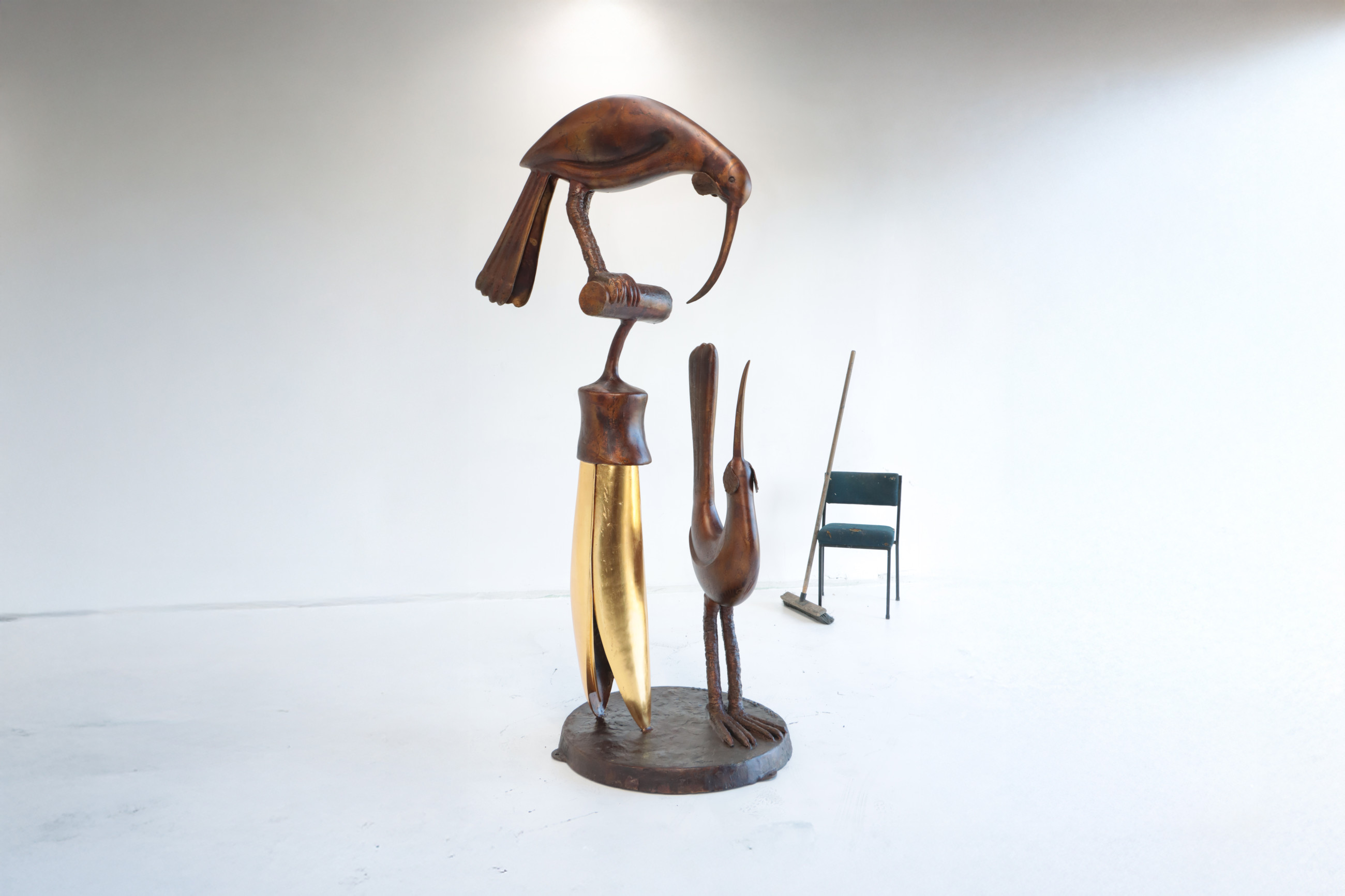
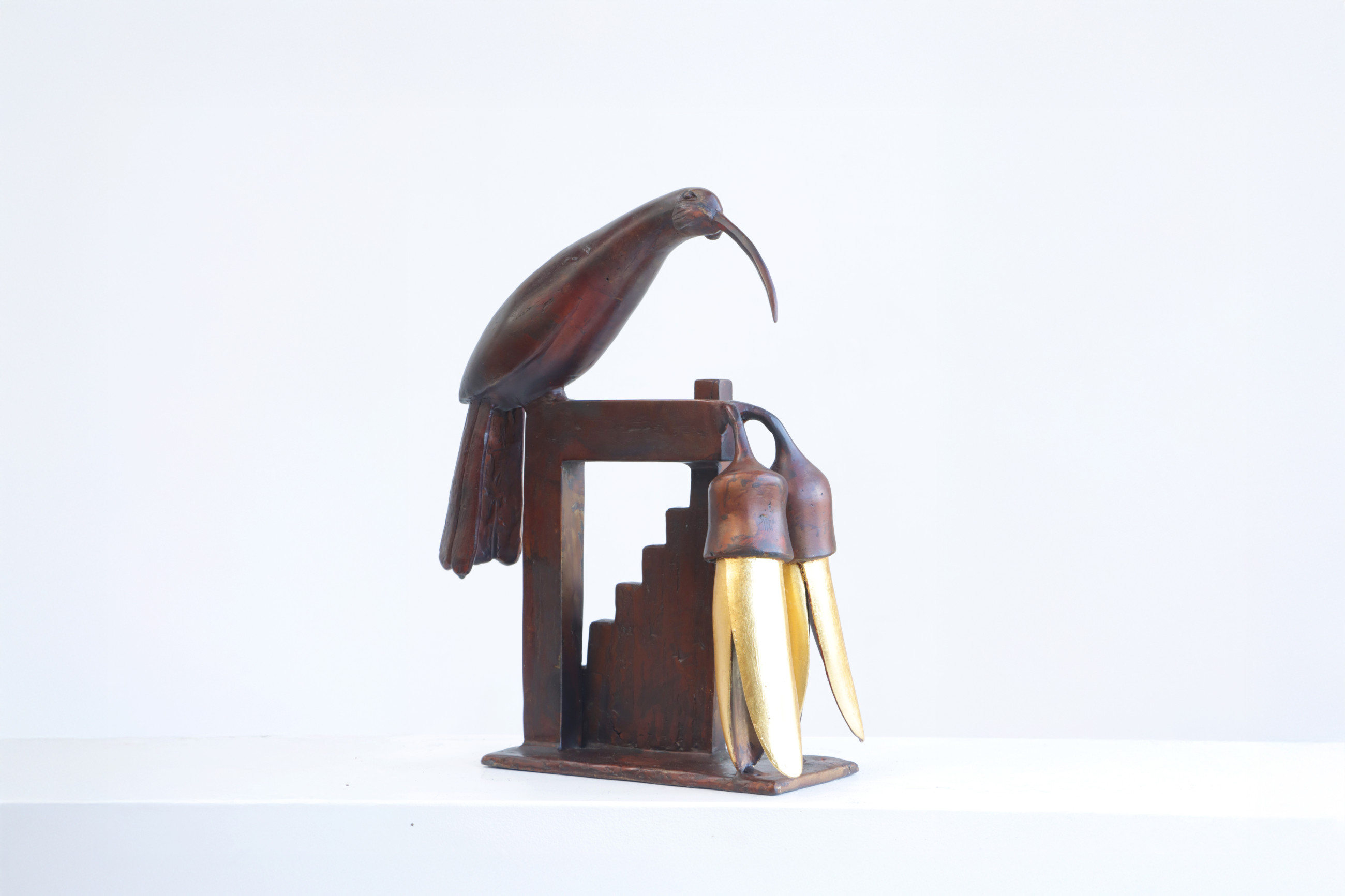
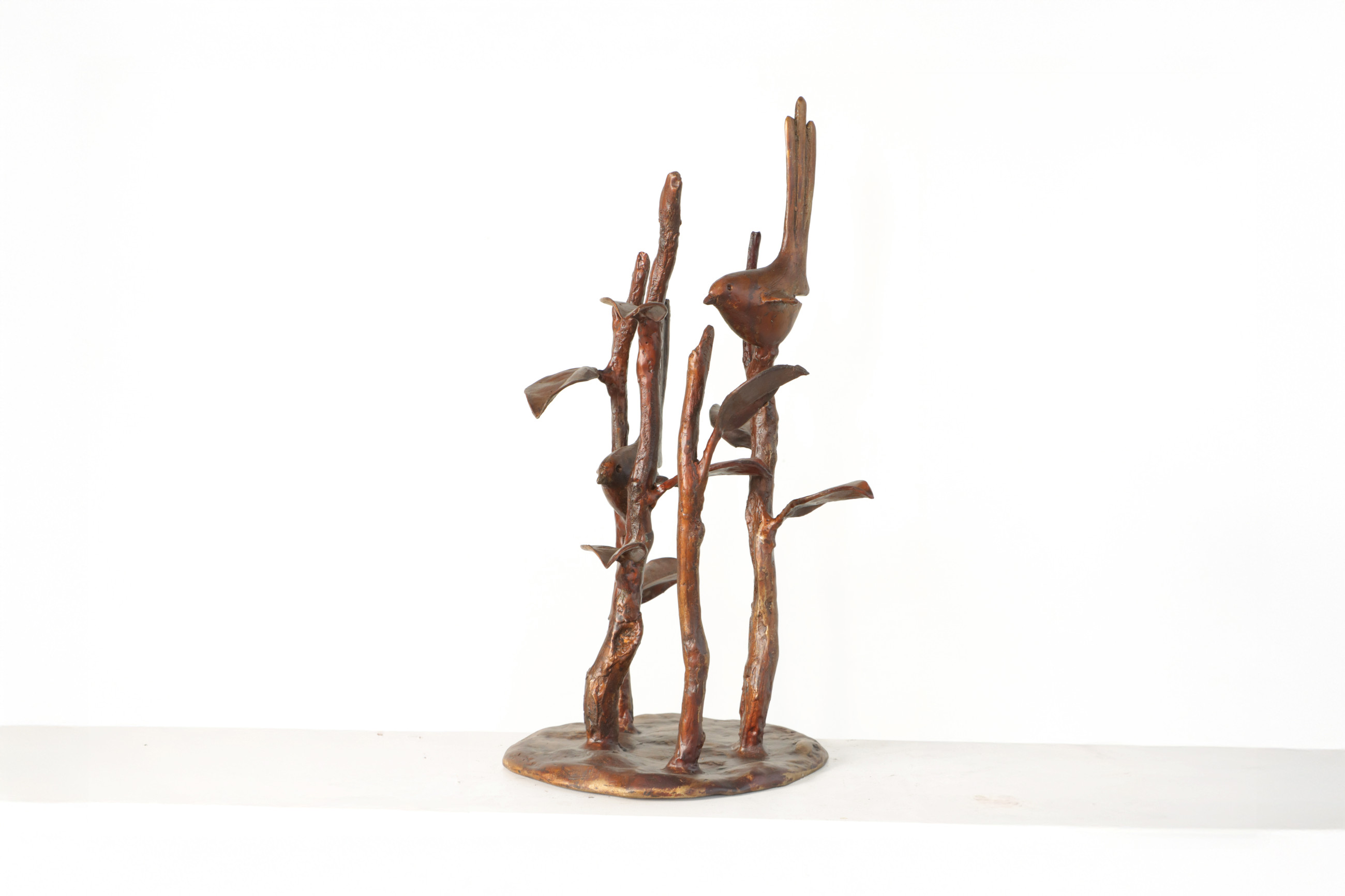
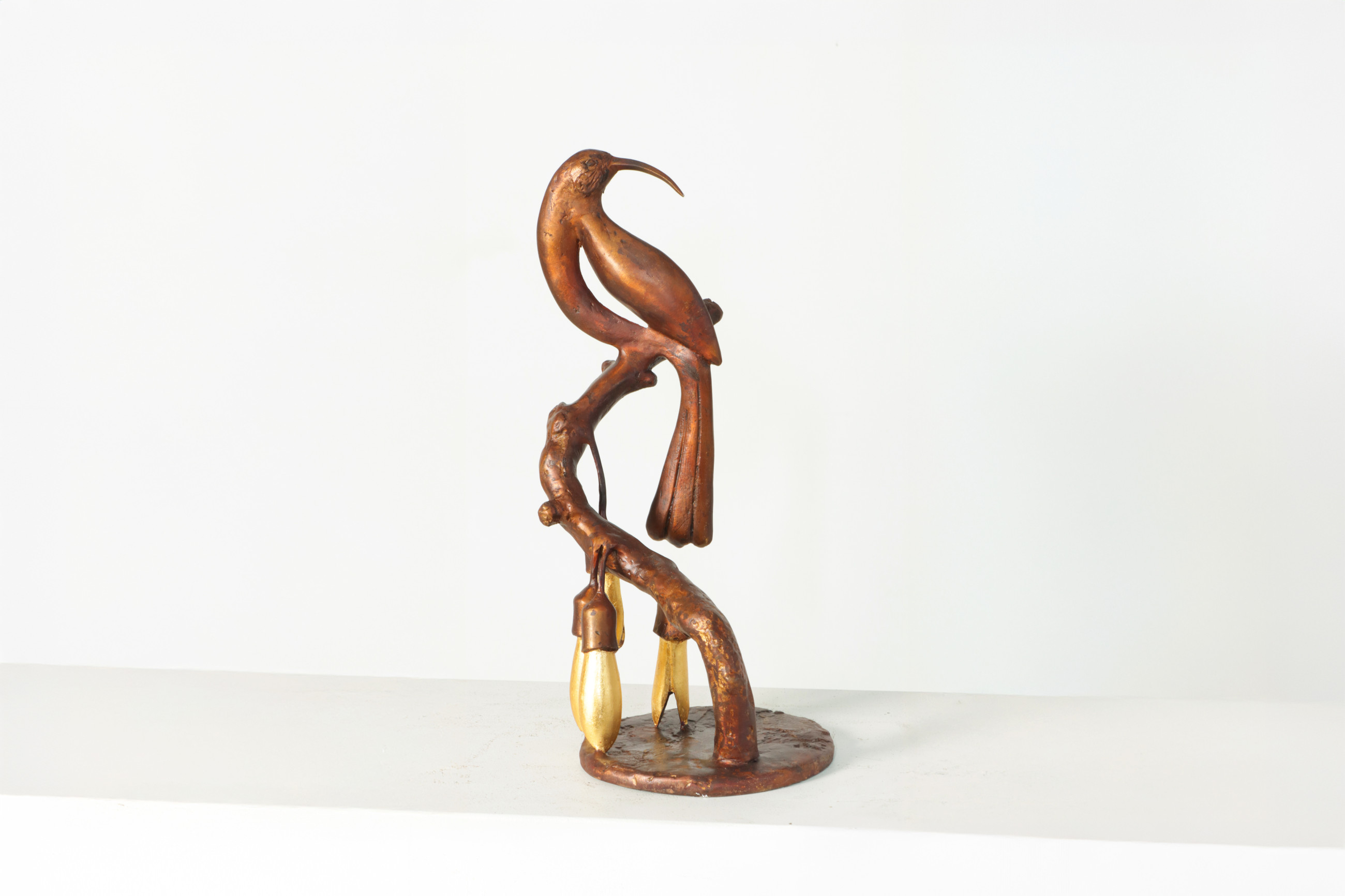
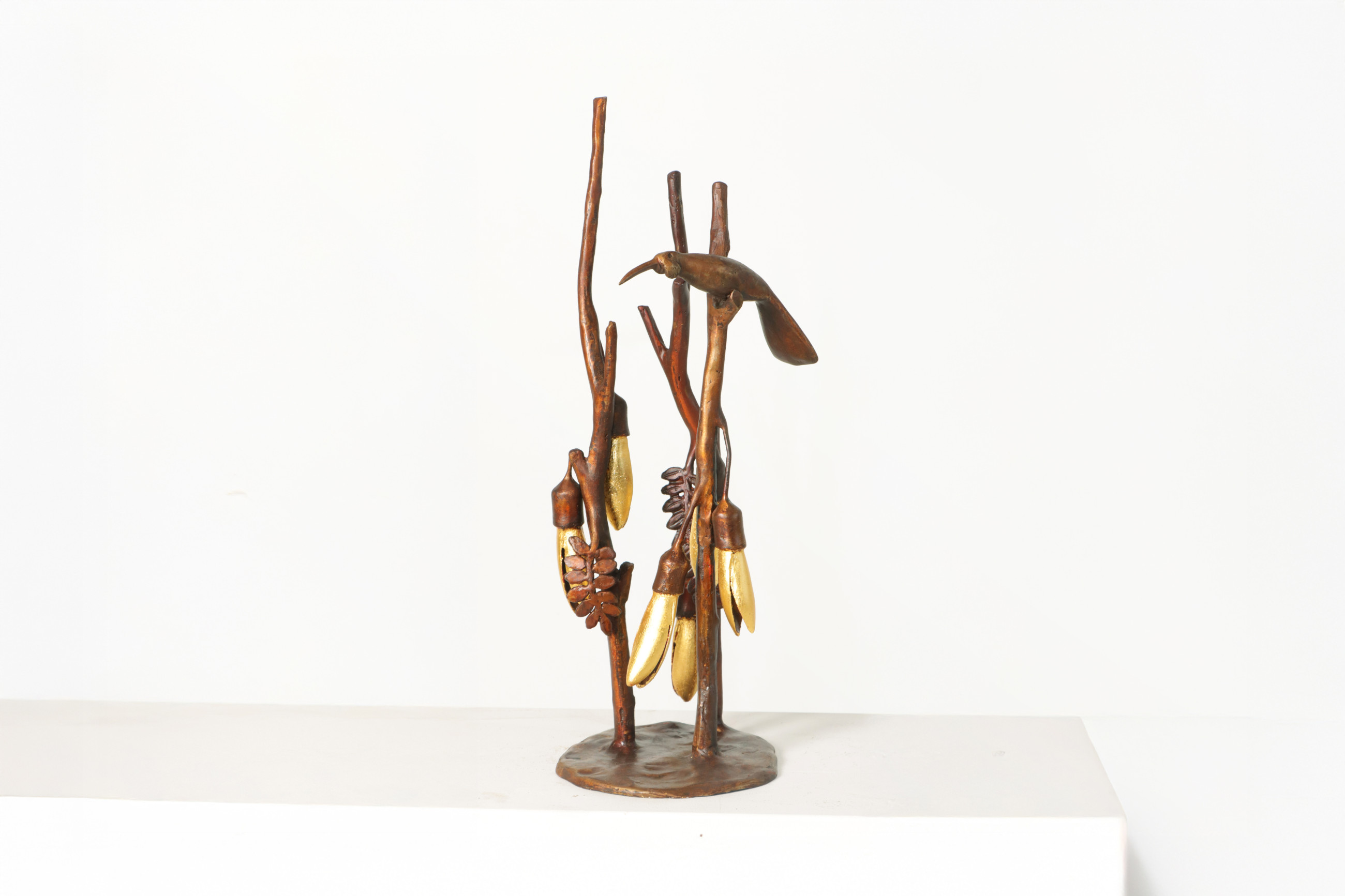
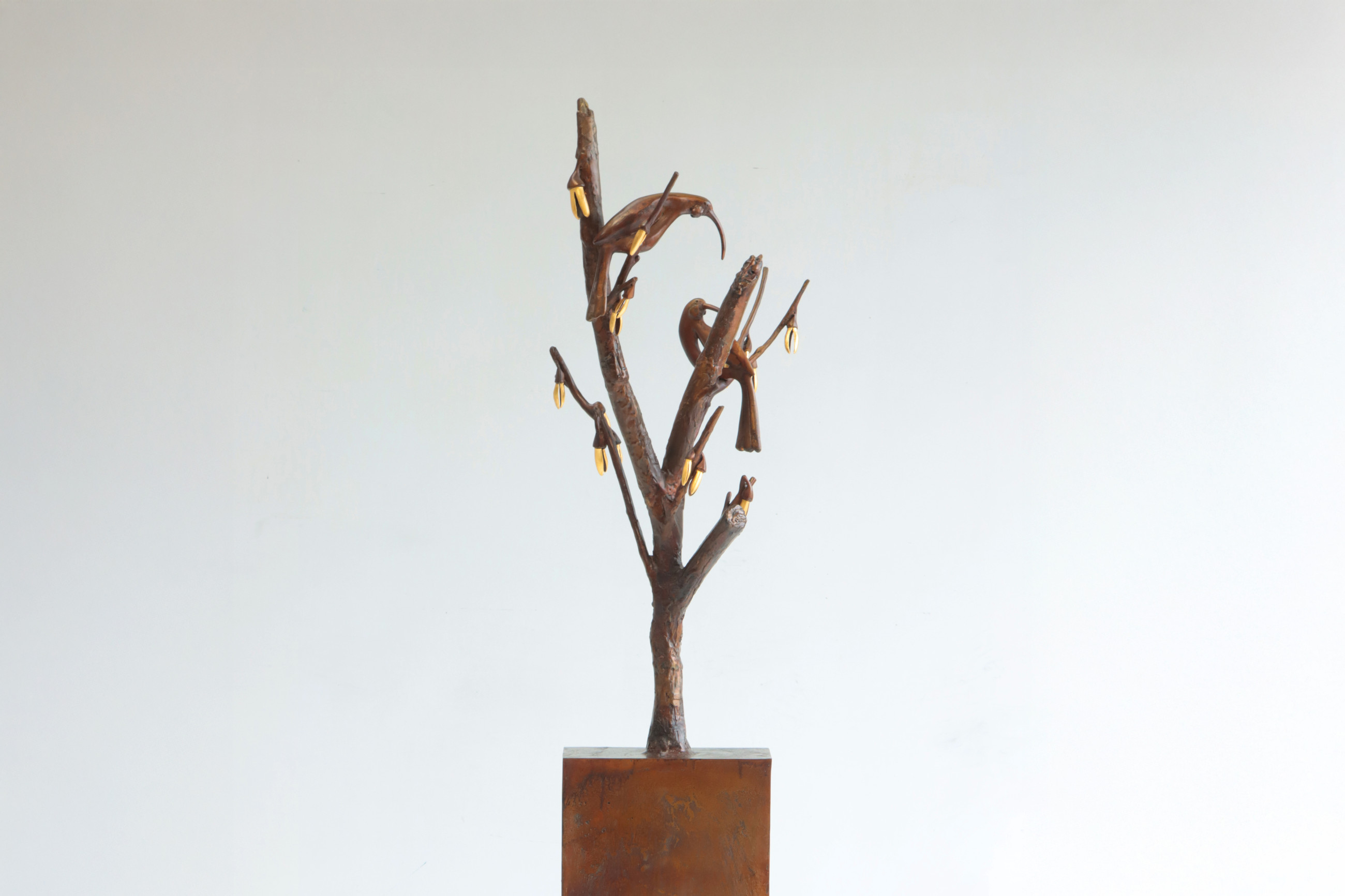
Referencing Dialogue of Two Huia
Tribute: Lone Godwit
Tribute: Flock
Tribute: Old Ghosts in New Towns
Tribute: Birds in the Crowded Bush
Tribute: Above Golden Blossoms
Tribute: The Lost Bird
Tribute: Tree Study
Columns
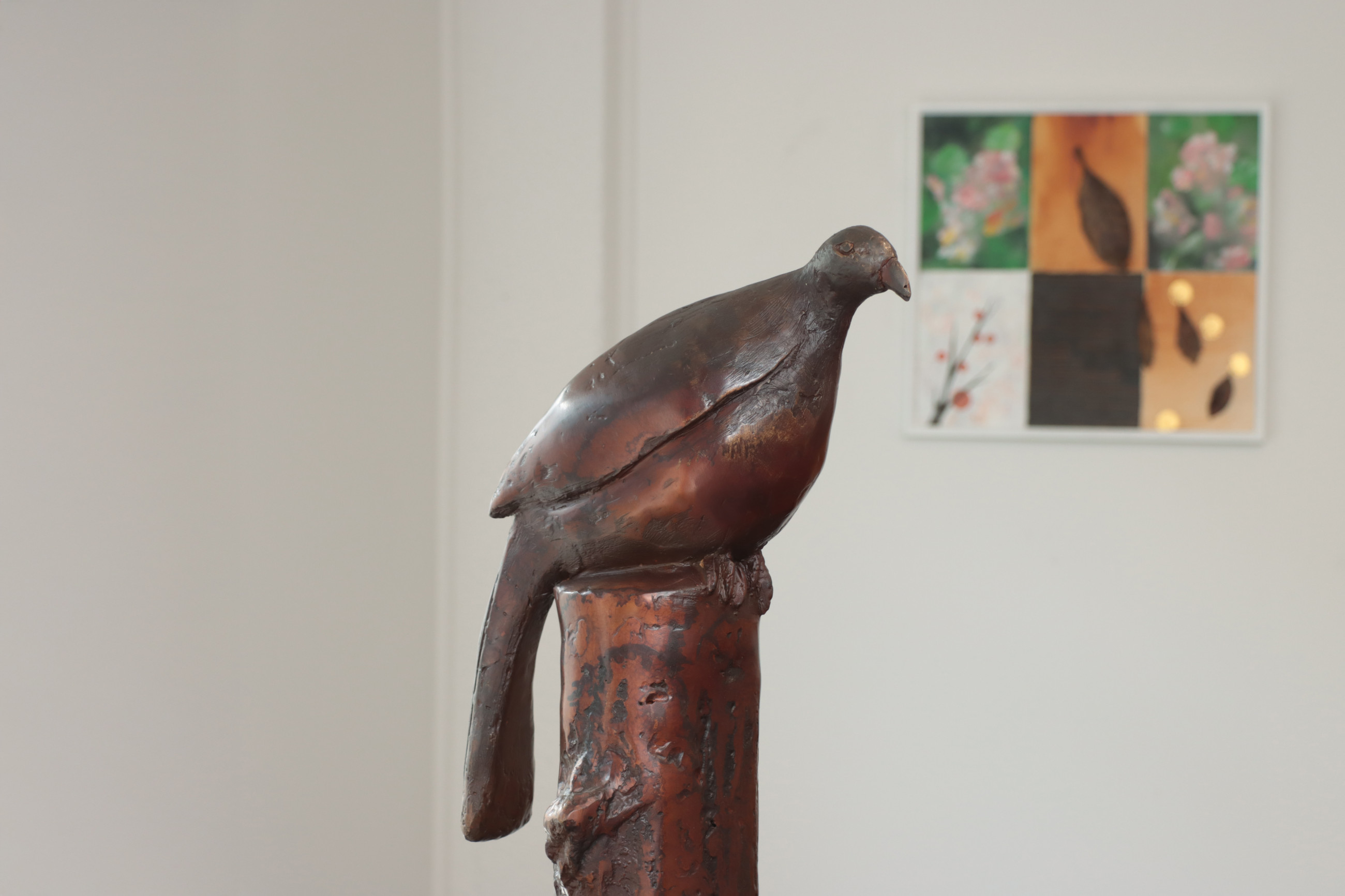
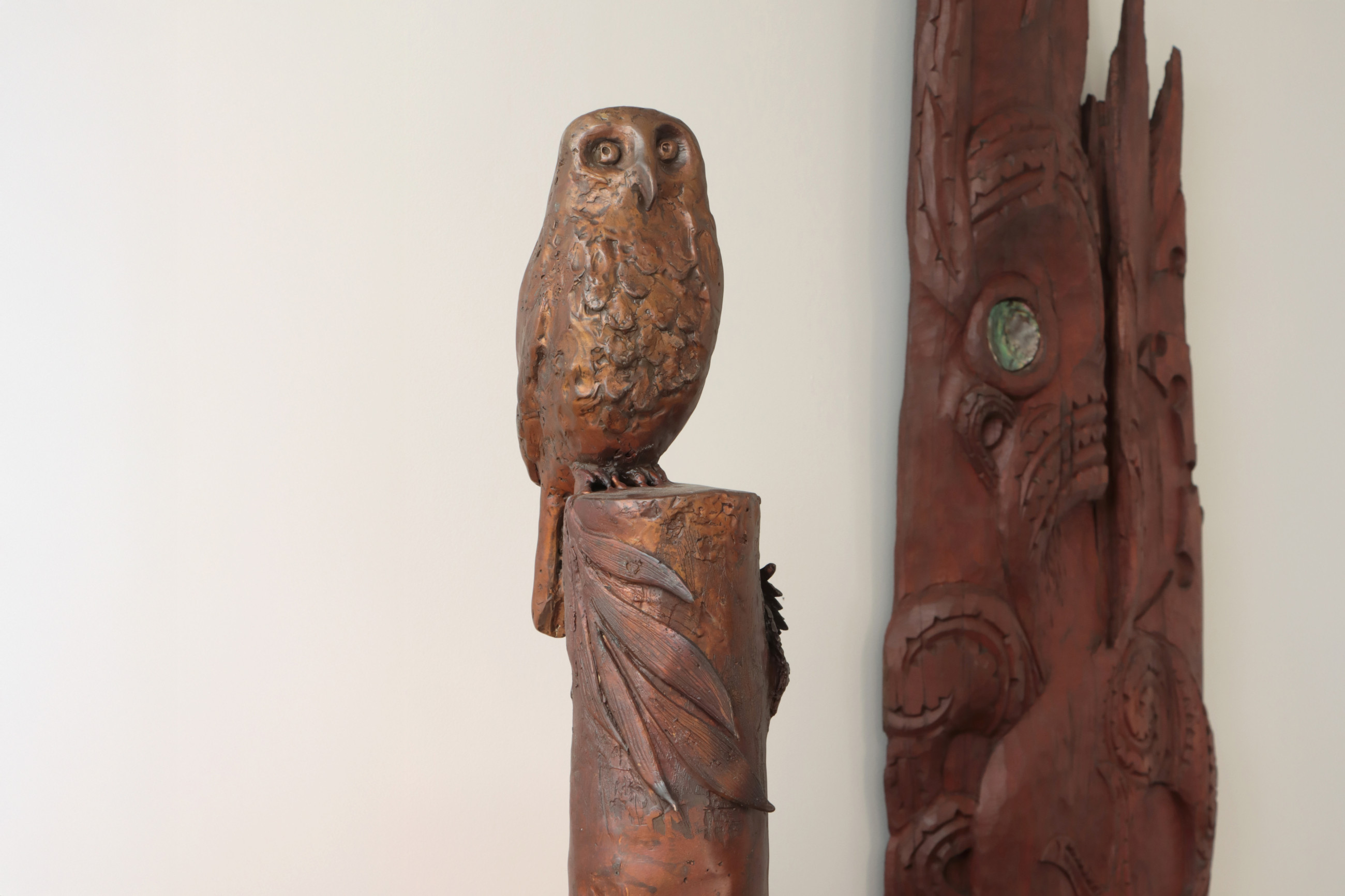
Columns where birds perch describe the architecture of a young country, not Doric columns but a rugged stump sprouting ferns and growth.
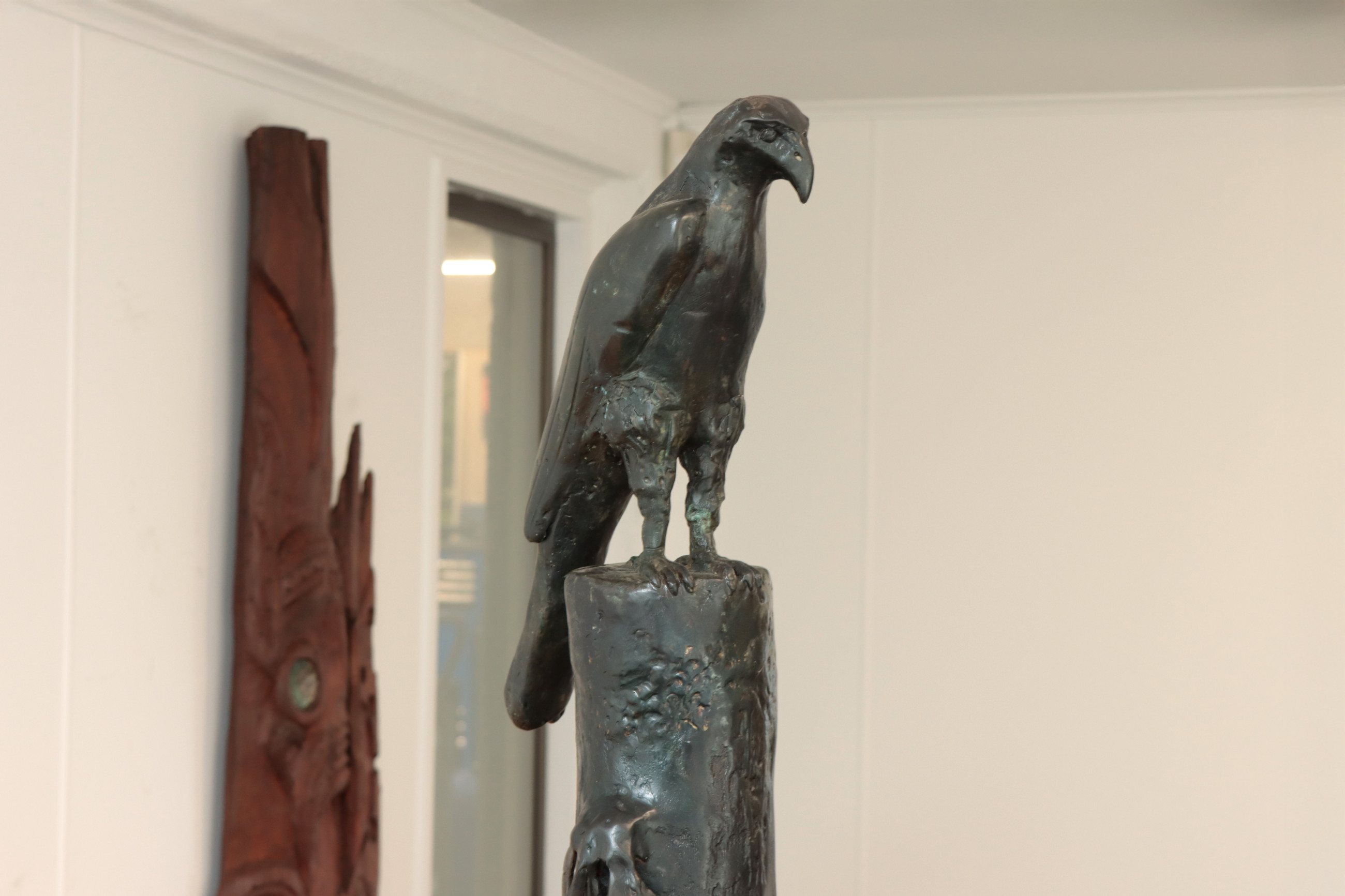
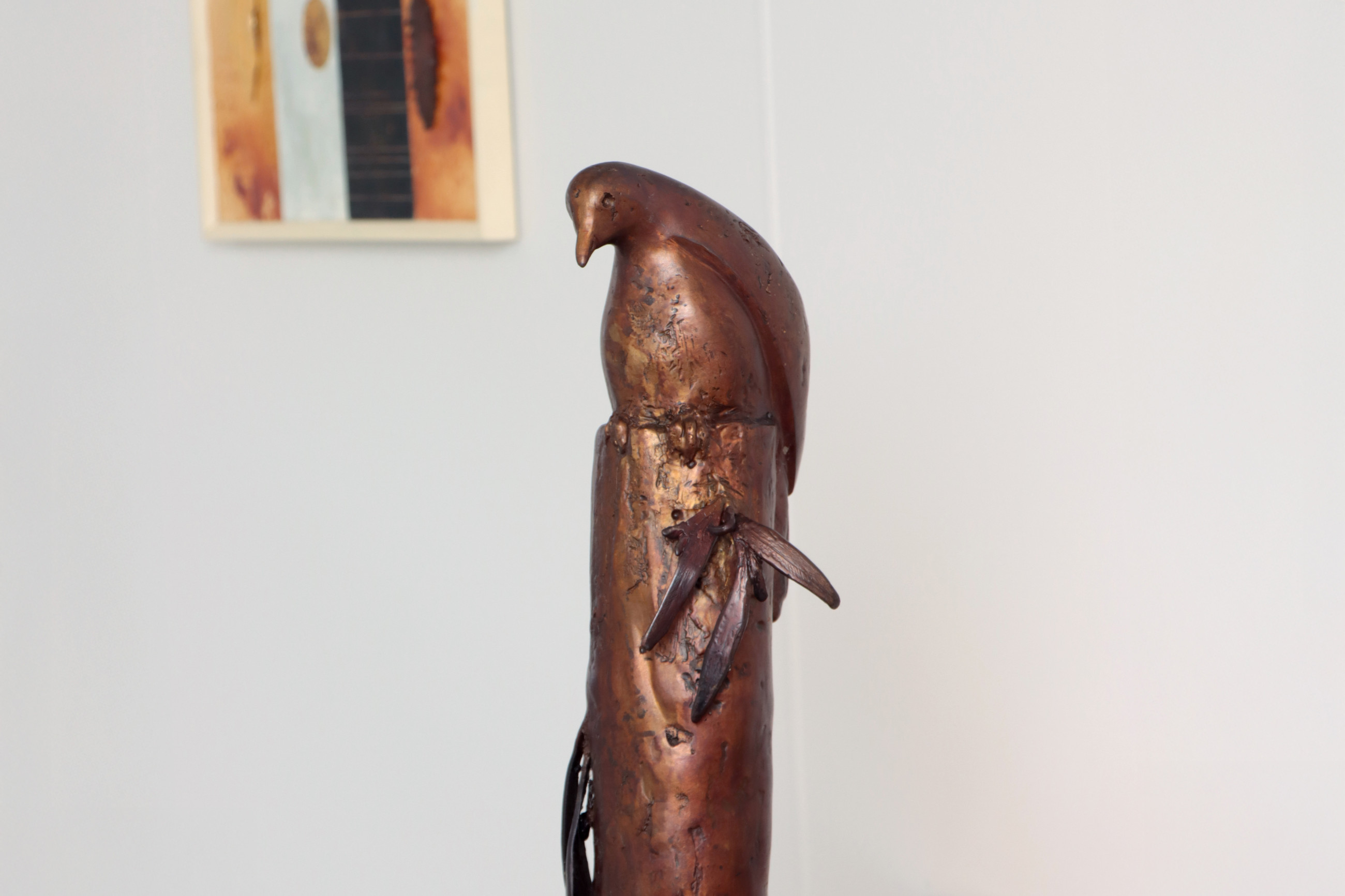
Falcon on a Native Plinth
Aotearoa Column
Requiem From a Swampland
Quiet Perch
City Birds
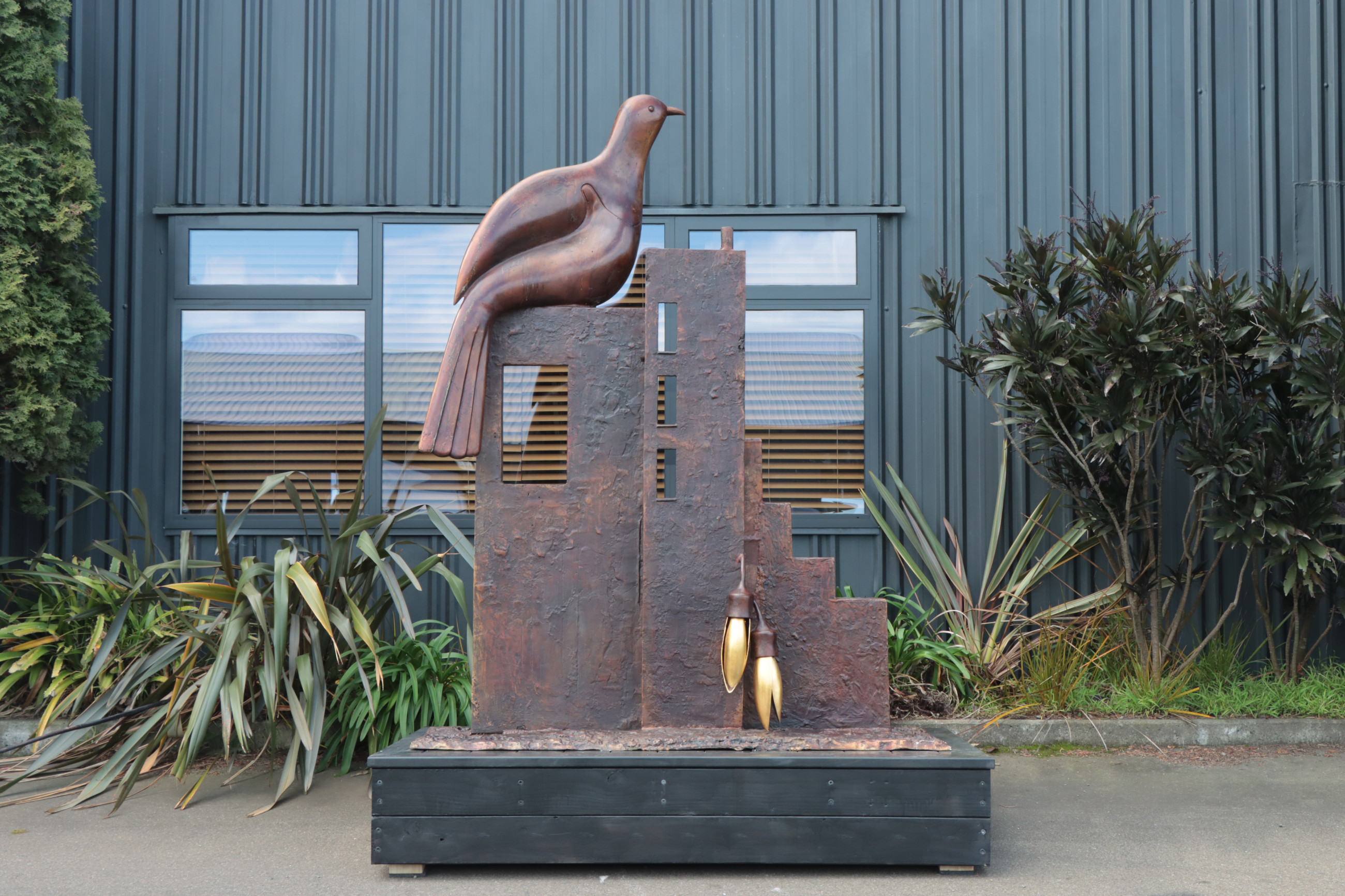
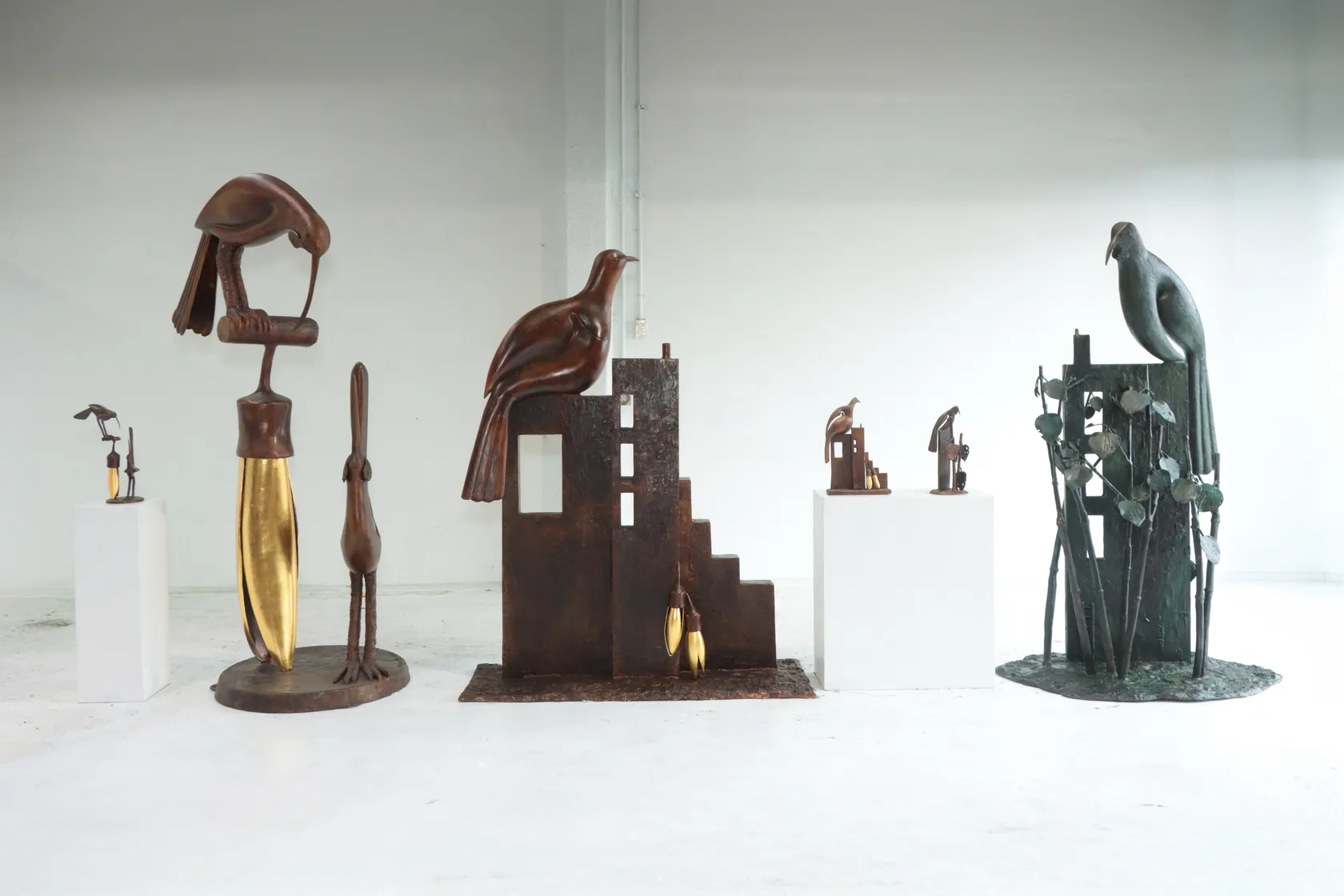
The return of native birds to cities is a change that has been achieved by an active program of fencing areas for sanctuary, planting natives and eradicating introduced predators. Sculptures with buildings and birds emphasise these ideas of a new structure to cities with an integrated presence of the natural world.
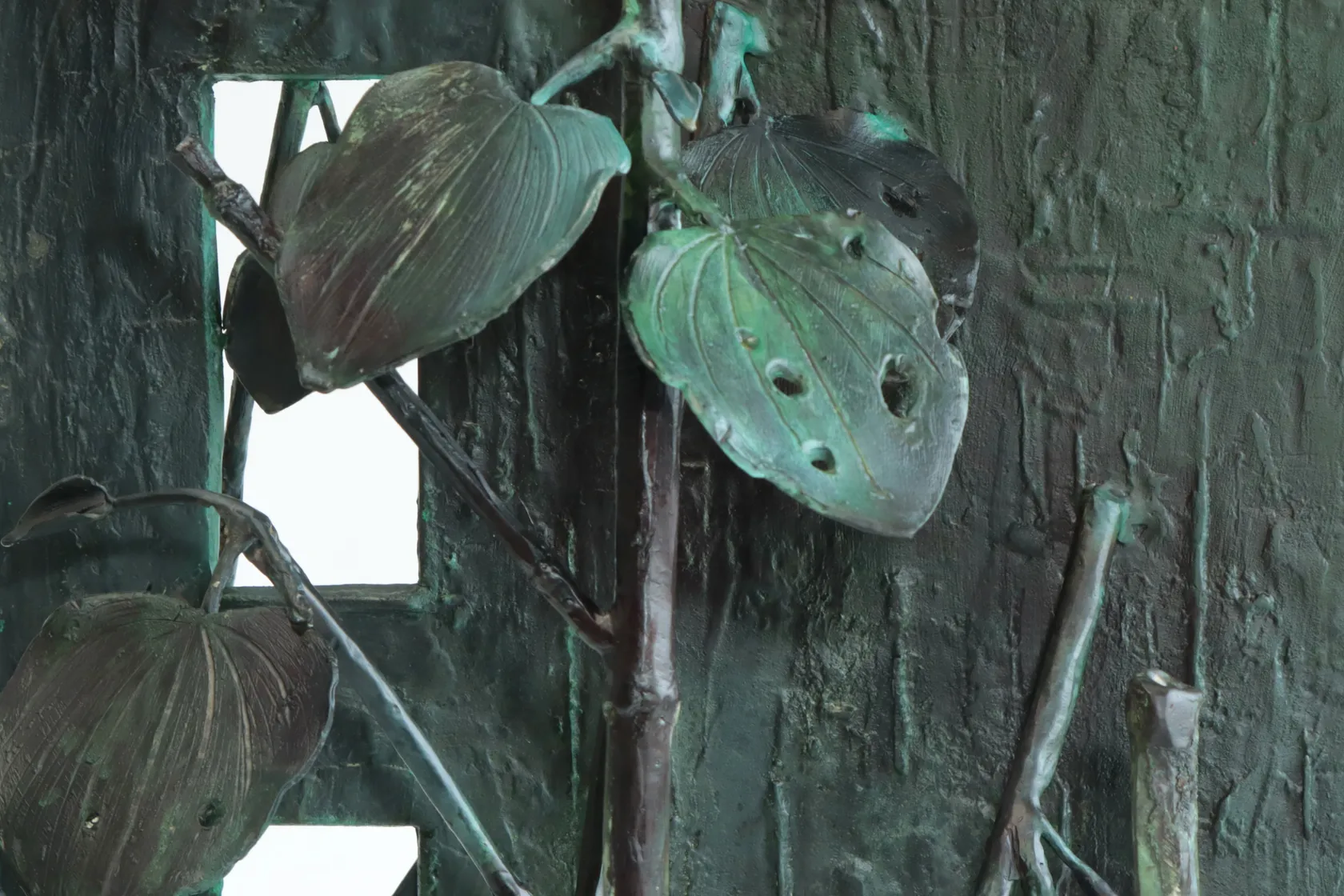
Kawakawa are known medicinal plants. Insects feeding on the leaves, producing the characteristic small holes, stimulate the plant to produce secondary compounds which aid healing.
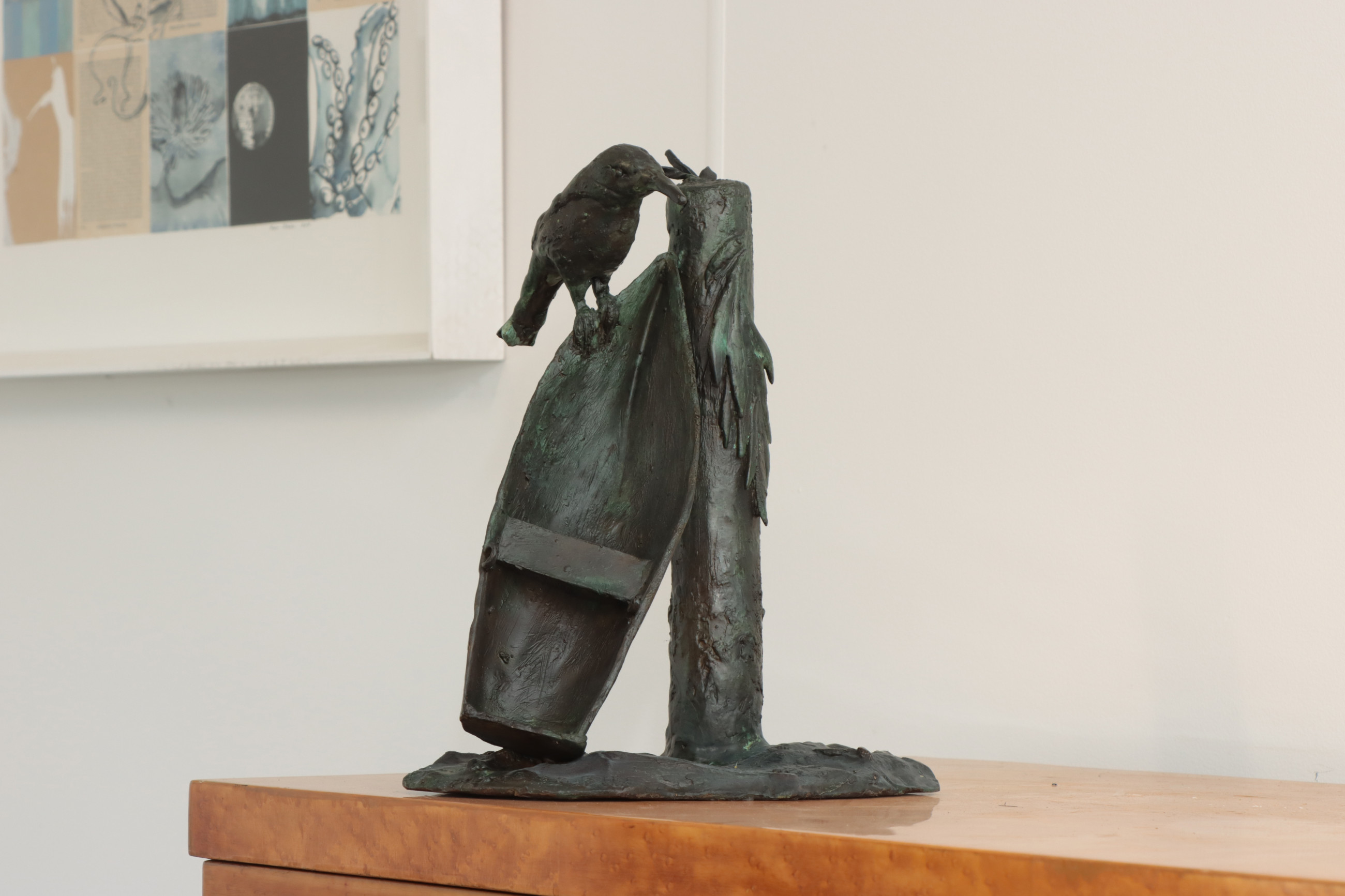
Kingfishers stand as symbols of freedom, courage and free spirit. Ubiquitous in their habitats they tend to be in estuaries, in open or semi-open land perching on banks or standing trees. They have a distinctive silhouette, hunched ready to dive with their dramatic hunting techniques.
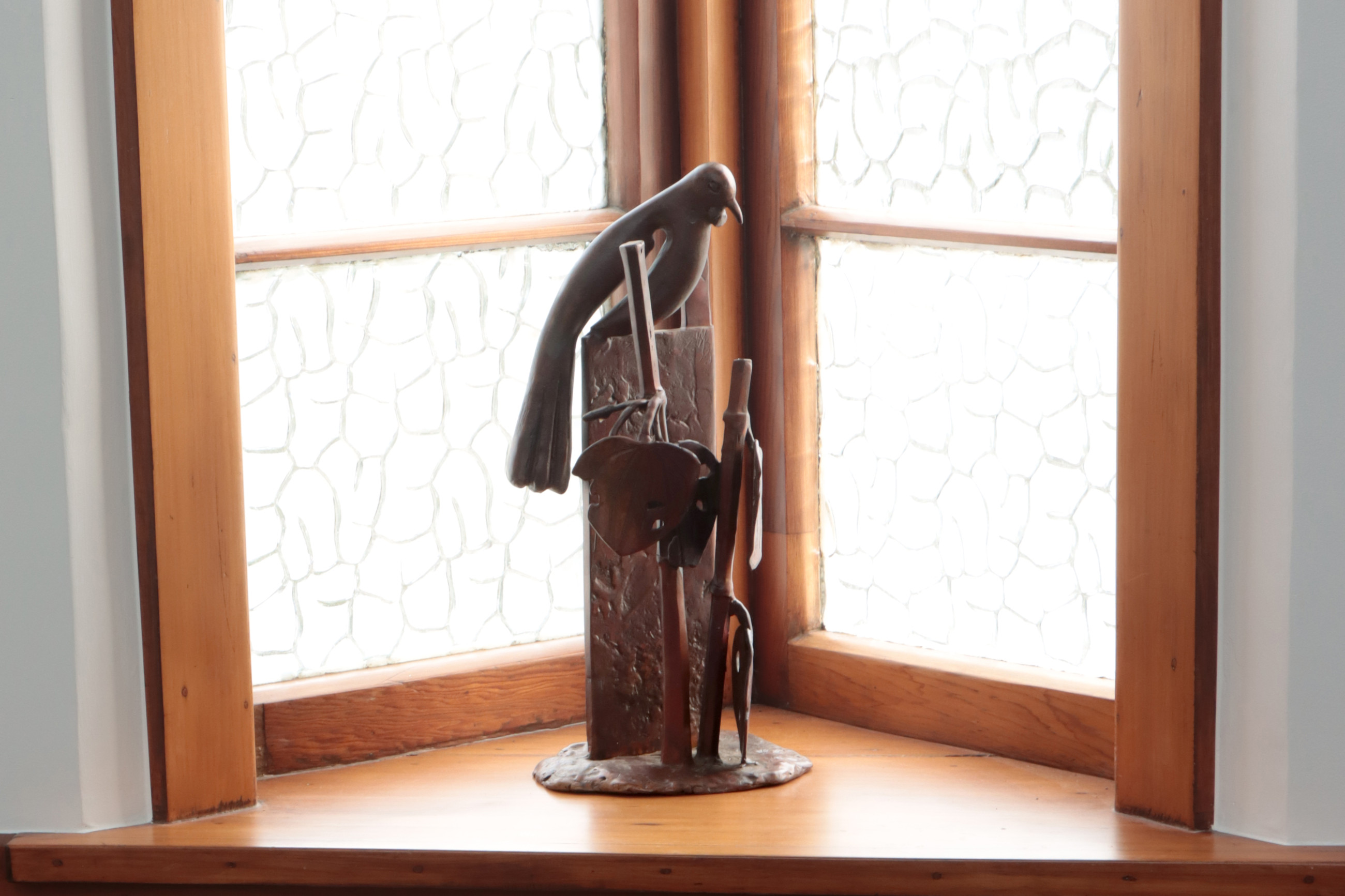
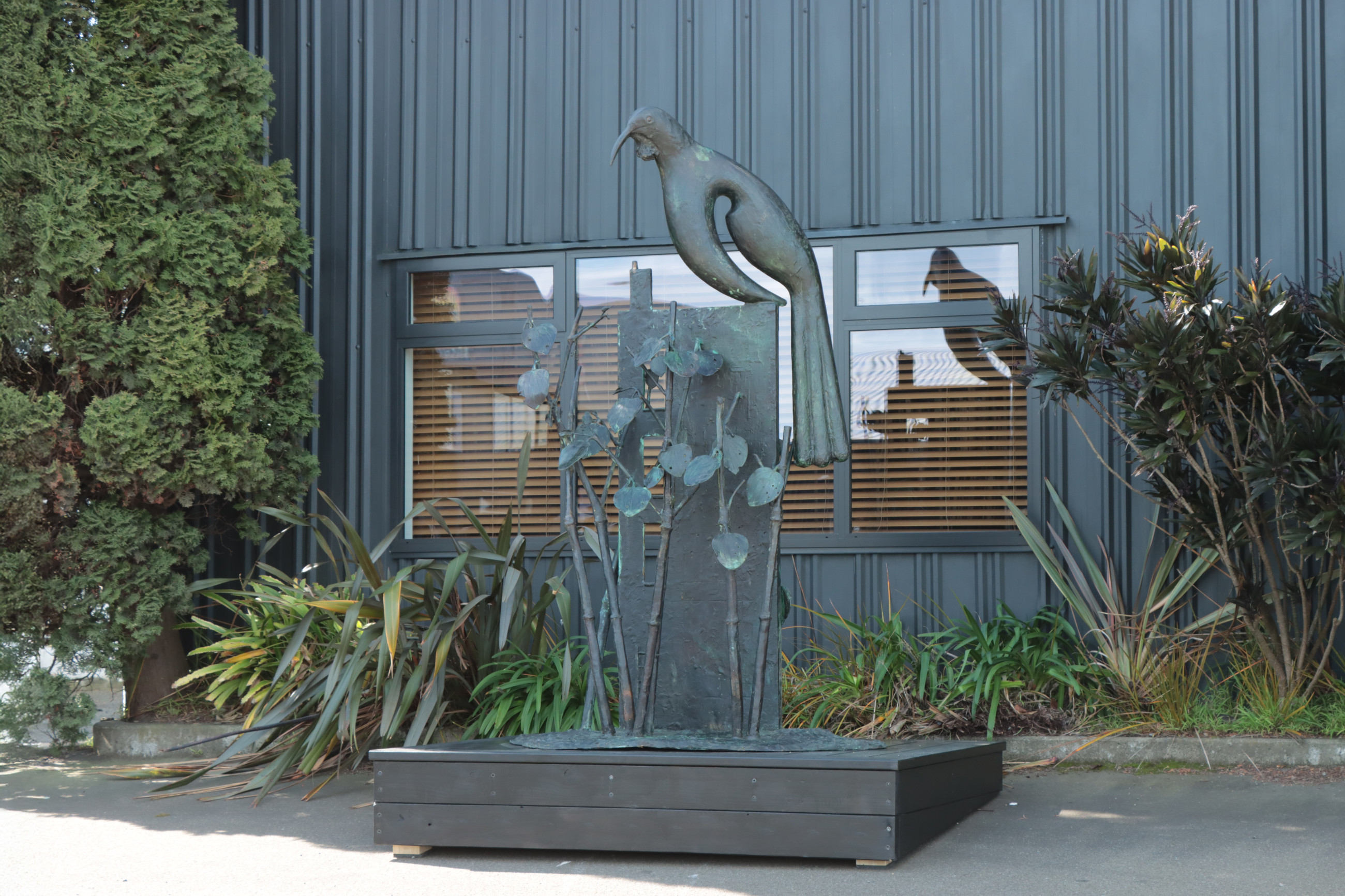
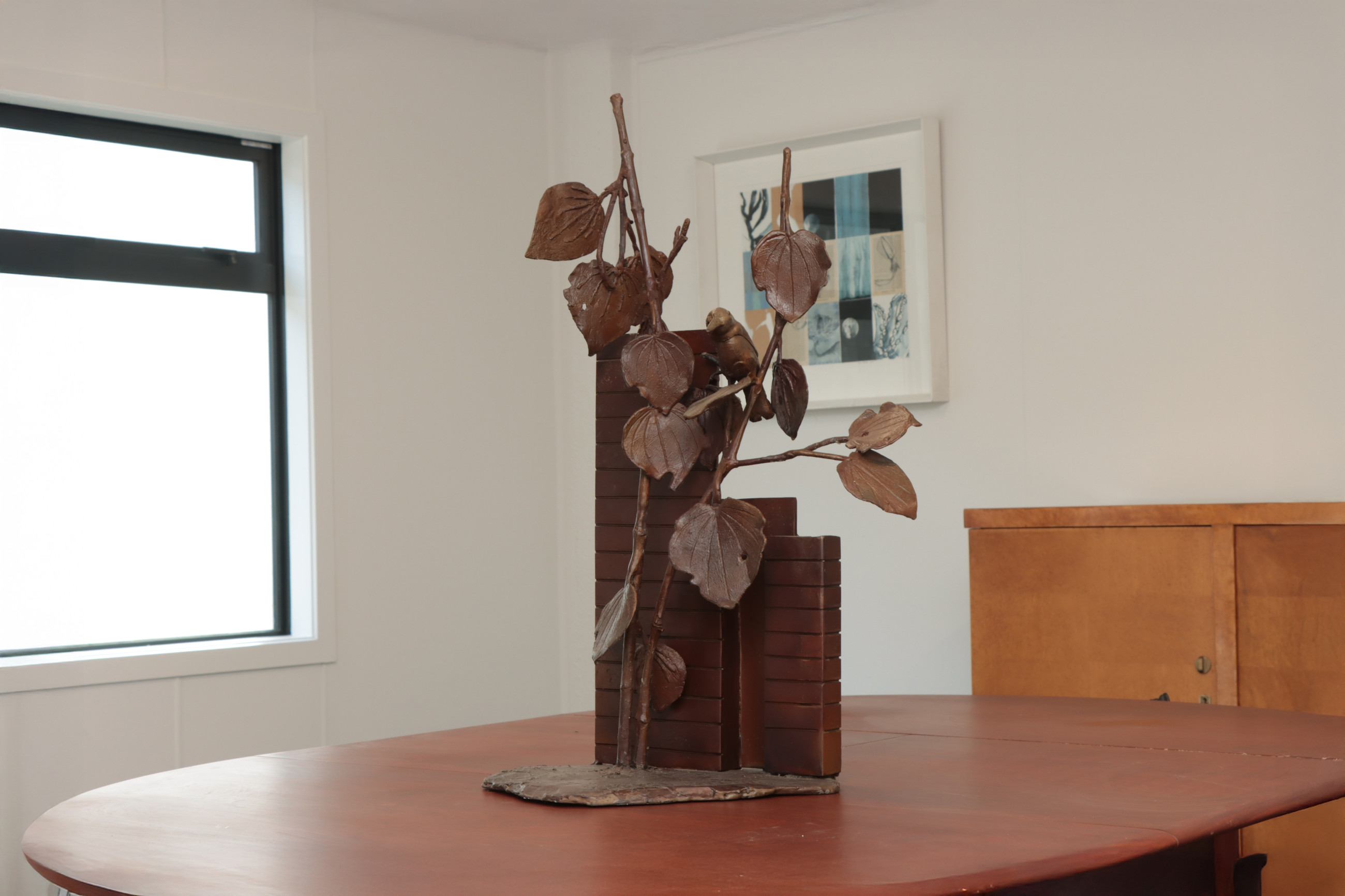
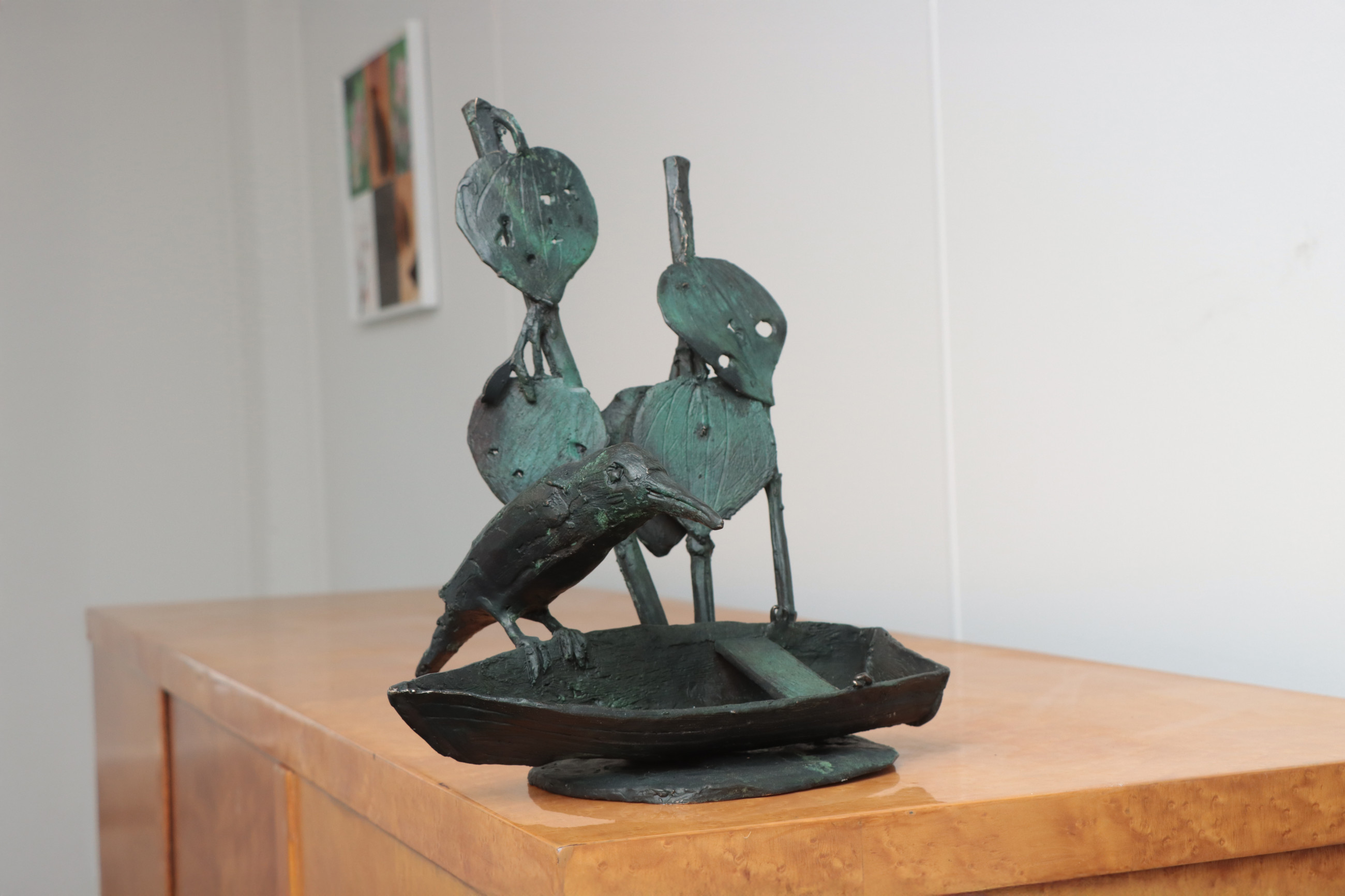
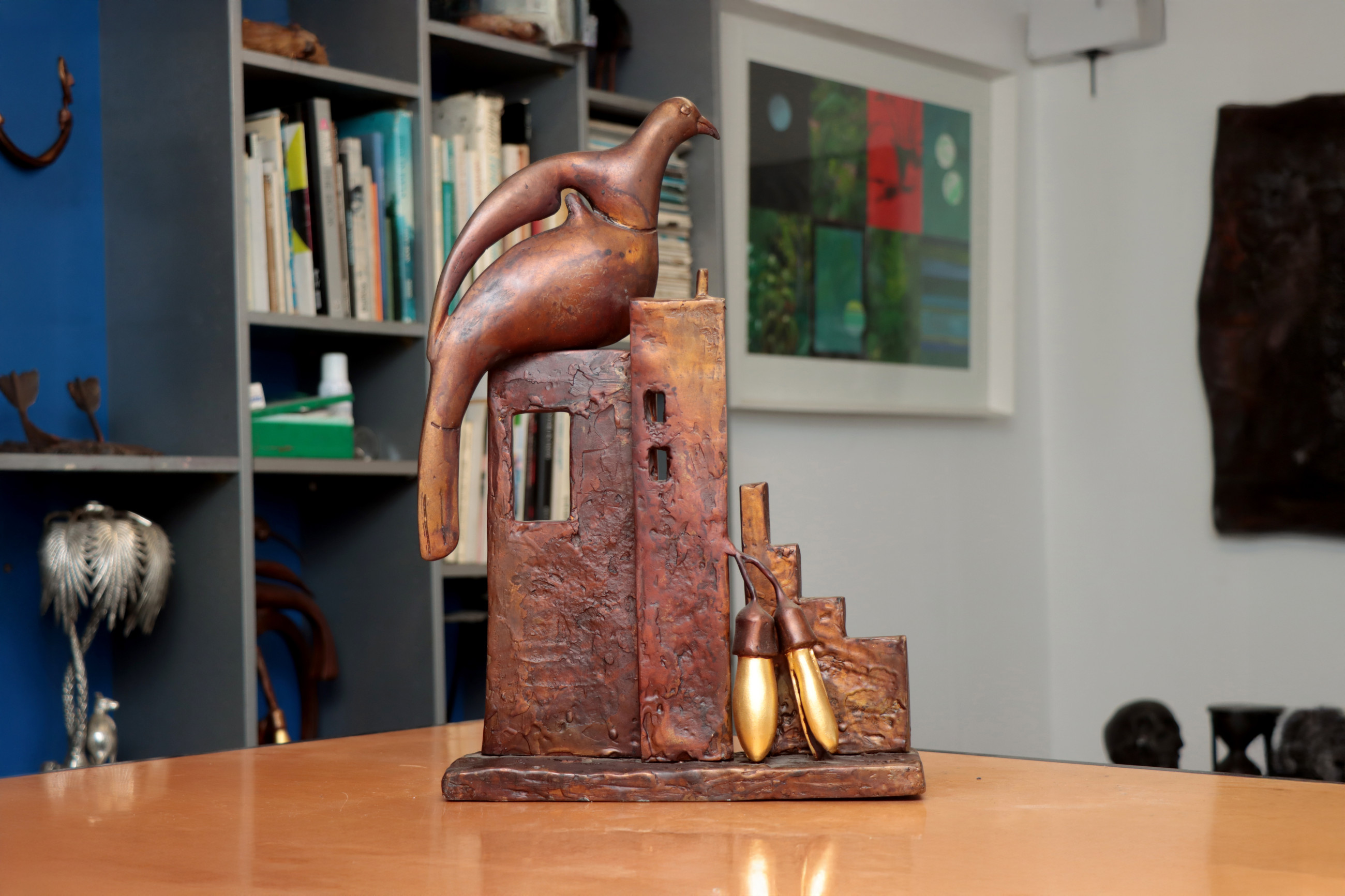
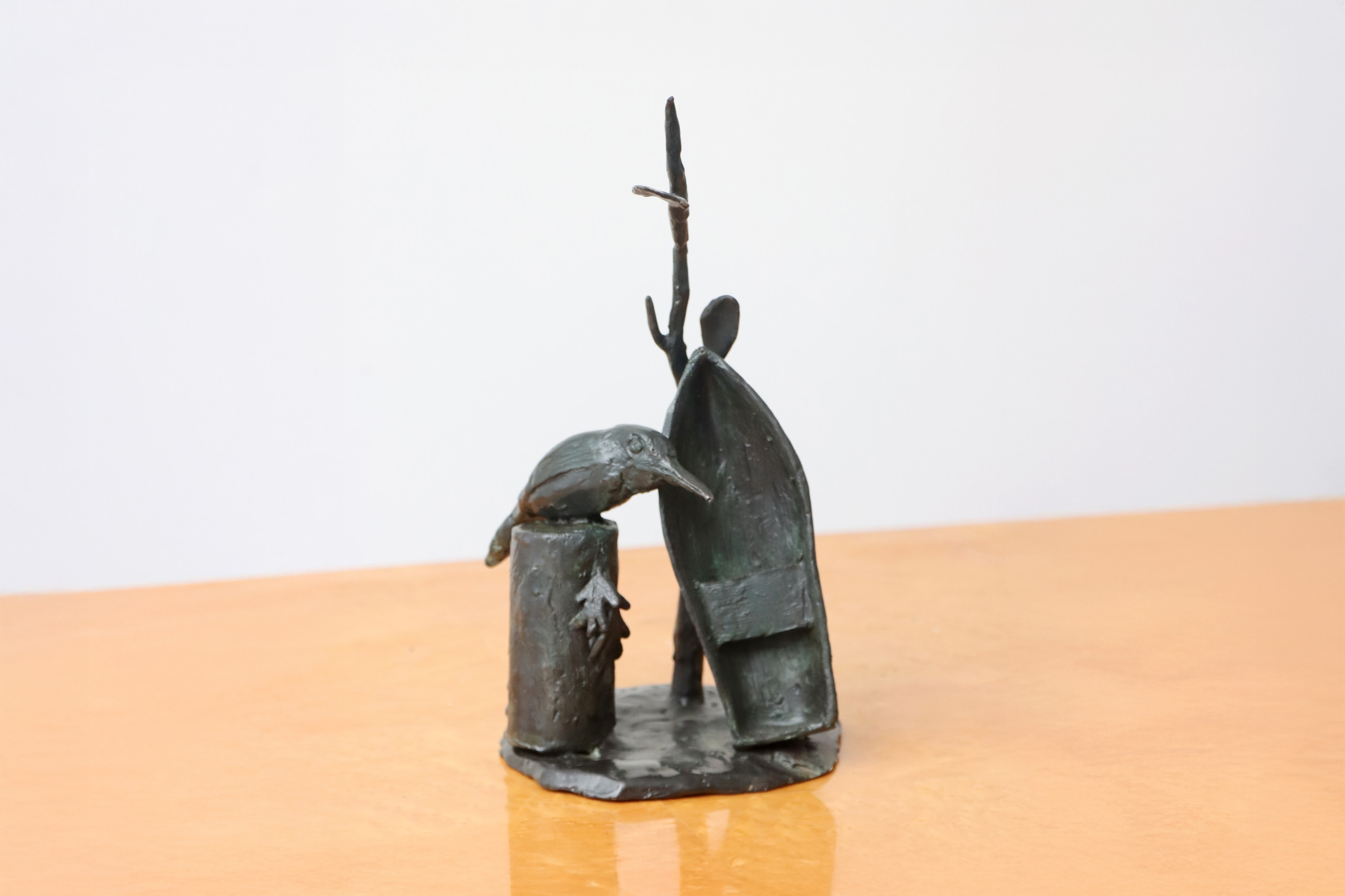
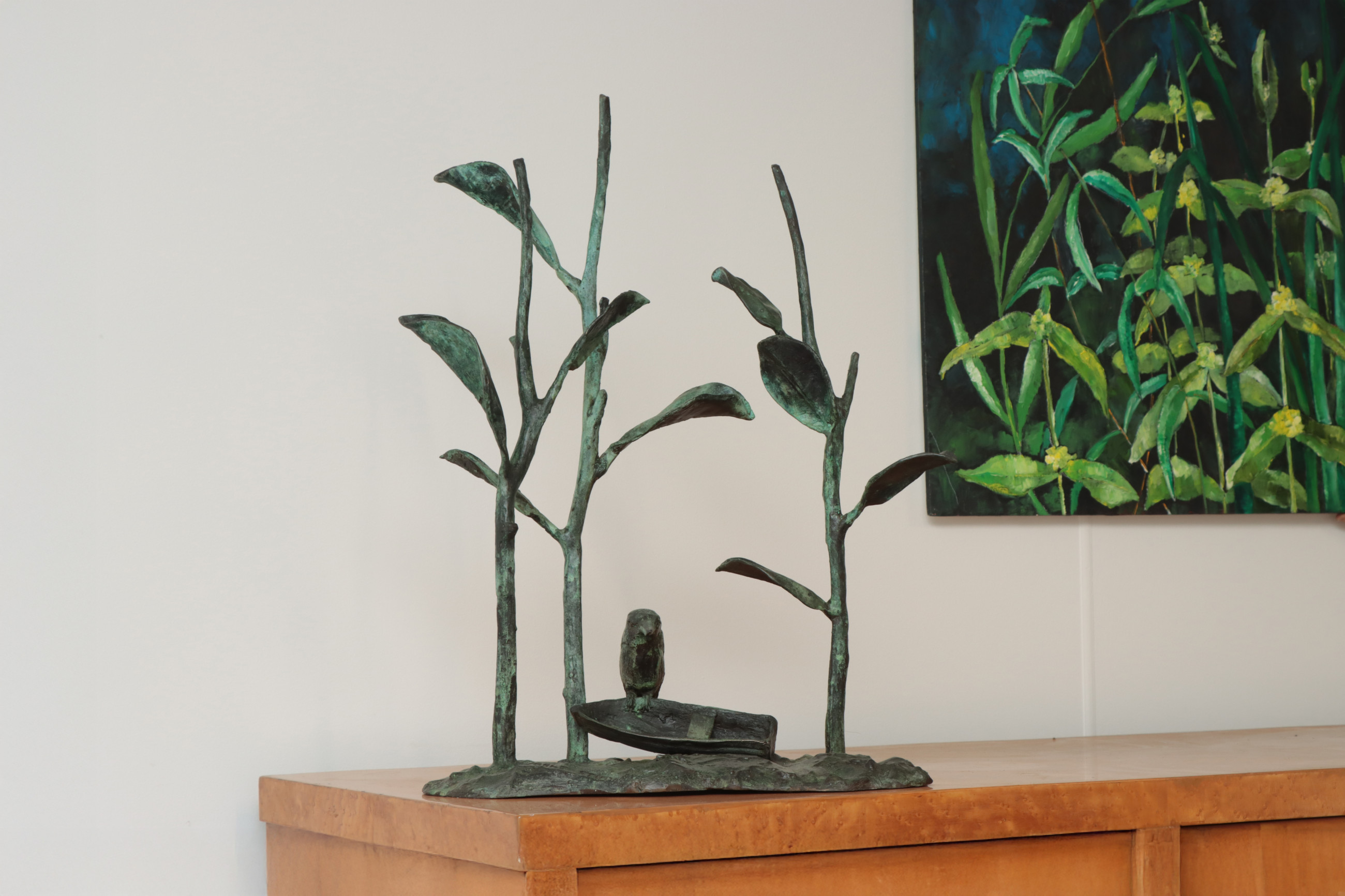
Healing a Busy World model
Healing a Busy World
Hiding in Plain Sight
Travelling to New Places
A Move into the City model
In Isolated, Forgotten Places
Journeys into Magical Lands
A Move into the City
A Fearless Diver Waits
Bird in the City
Catalogue
2026
A delicate tilt
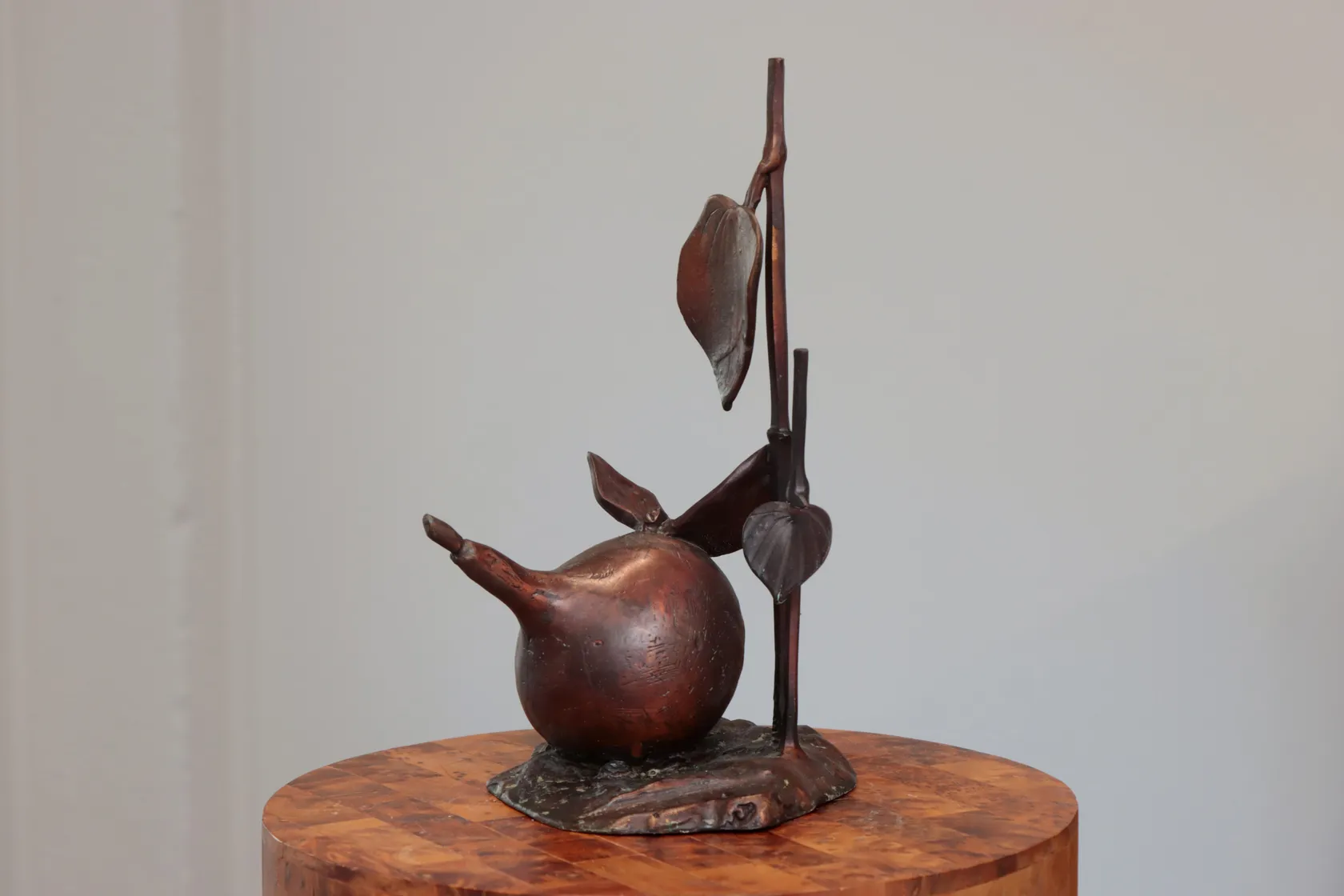
A Light Landing
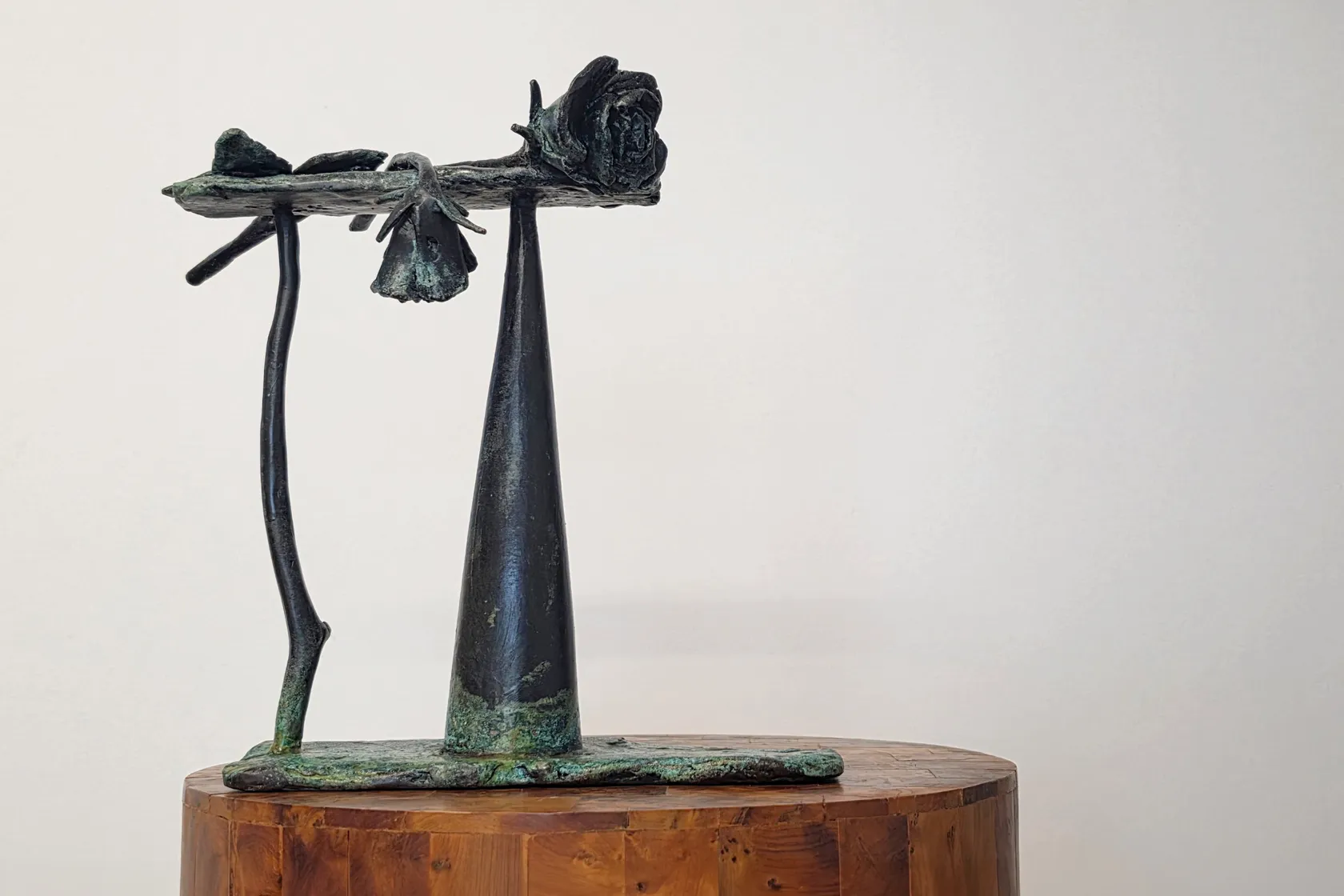
A platform for grief
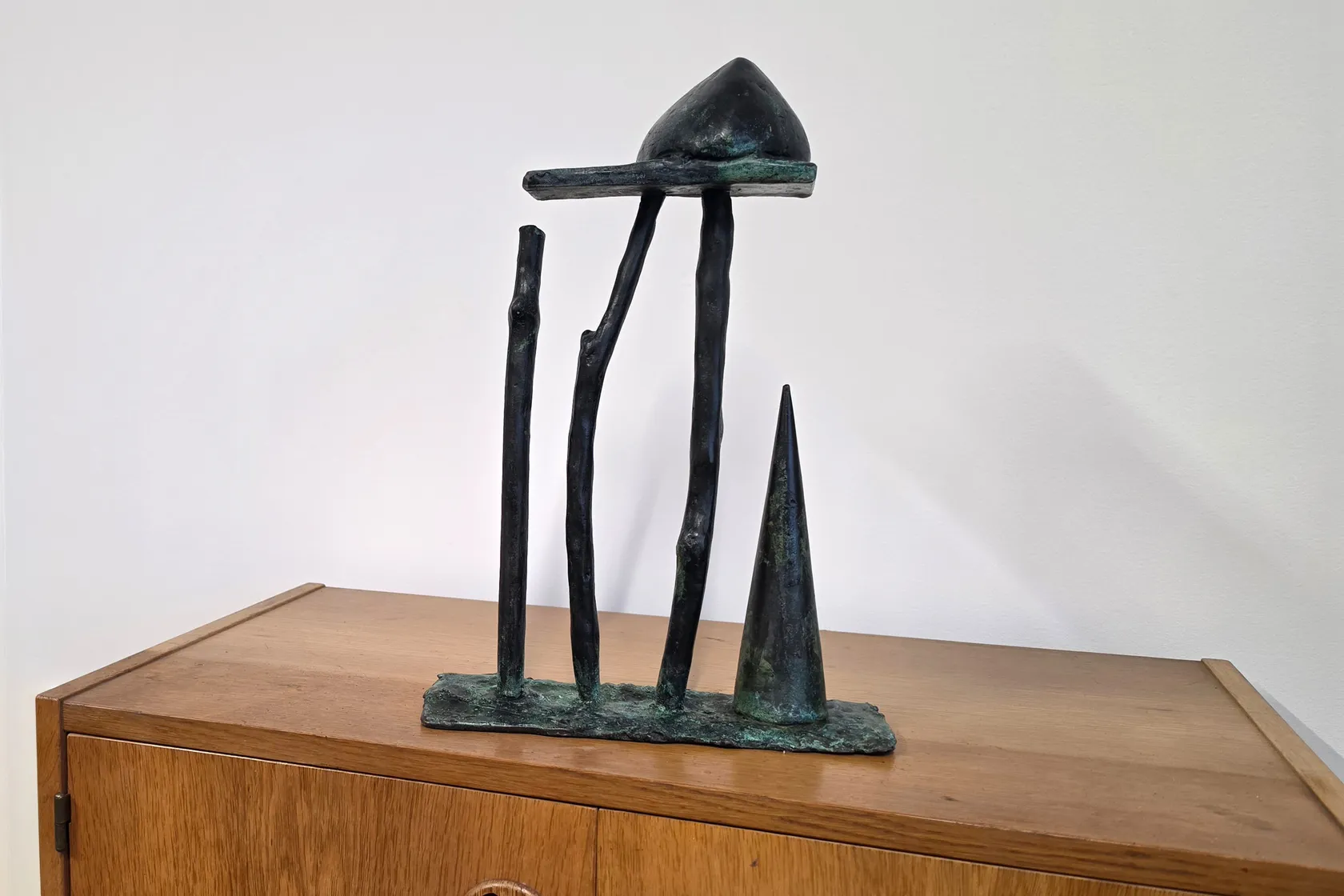
An anthropologist in strange lands
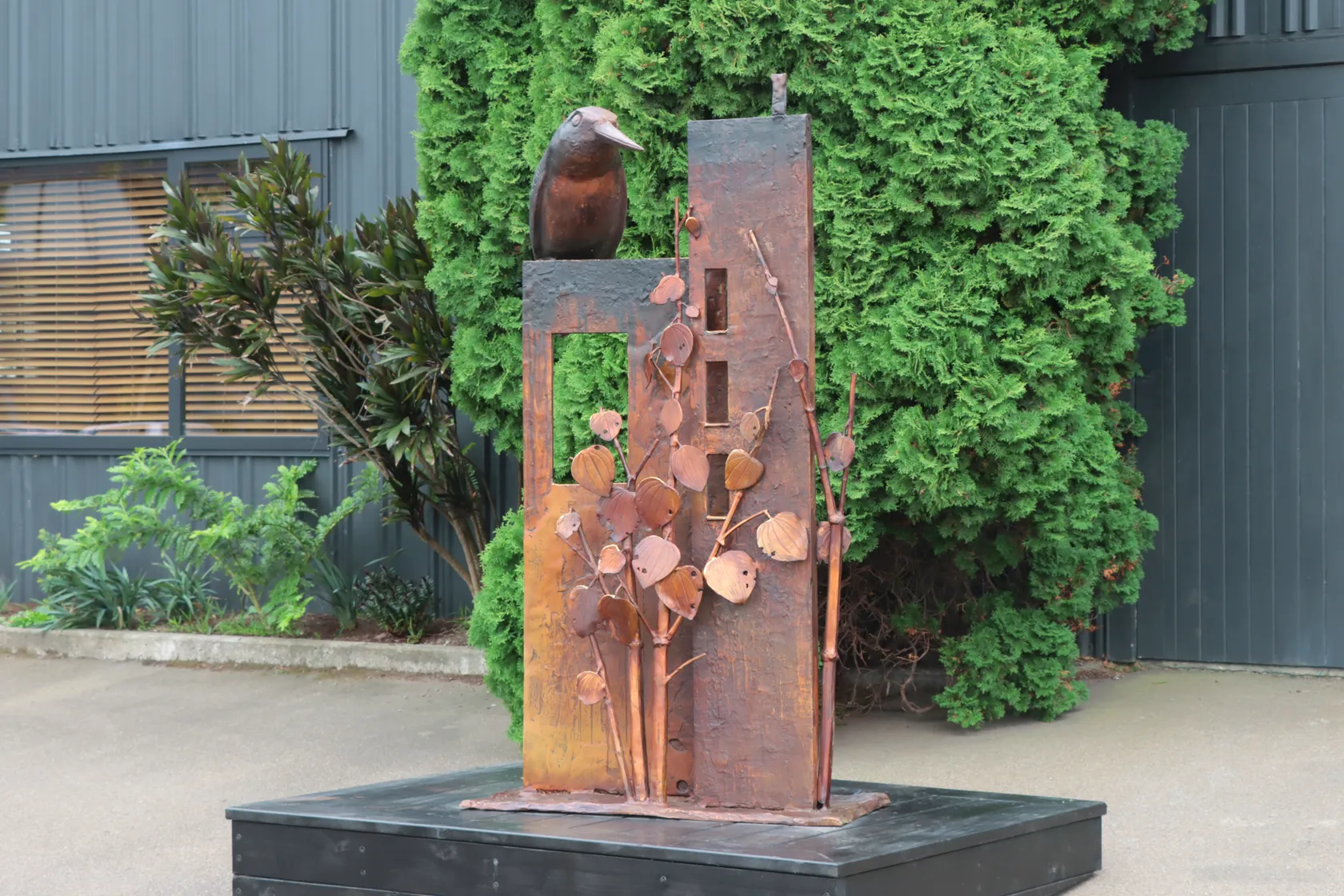
Brave New World
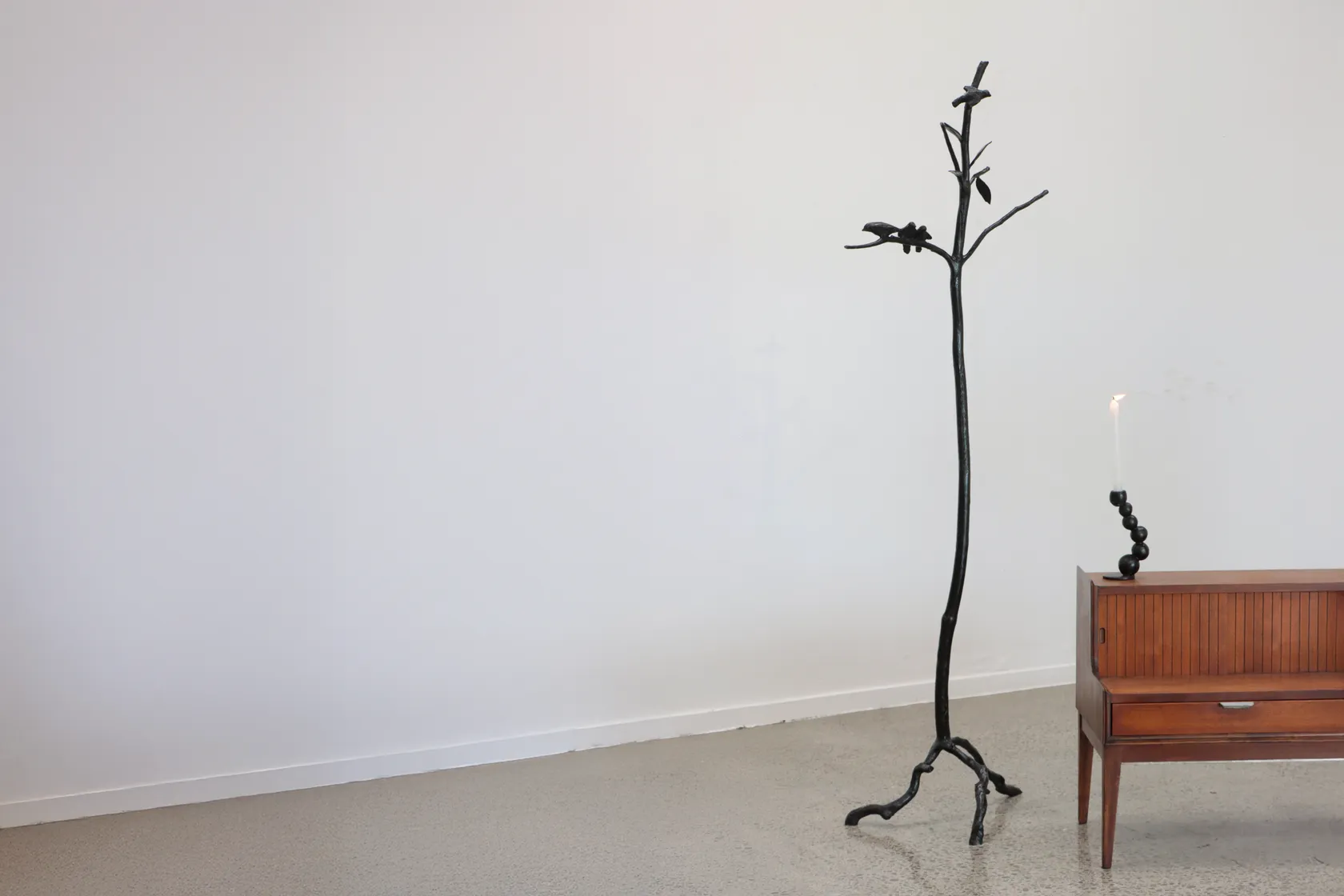
Coatrack
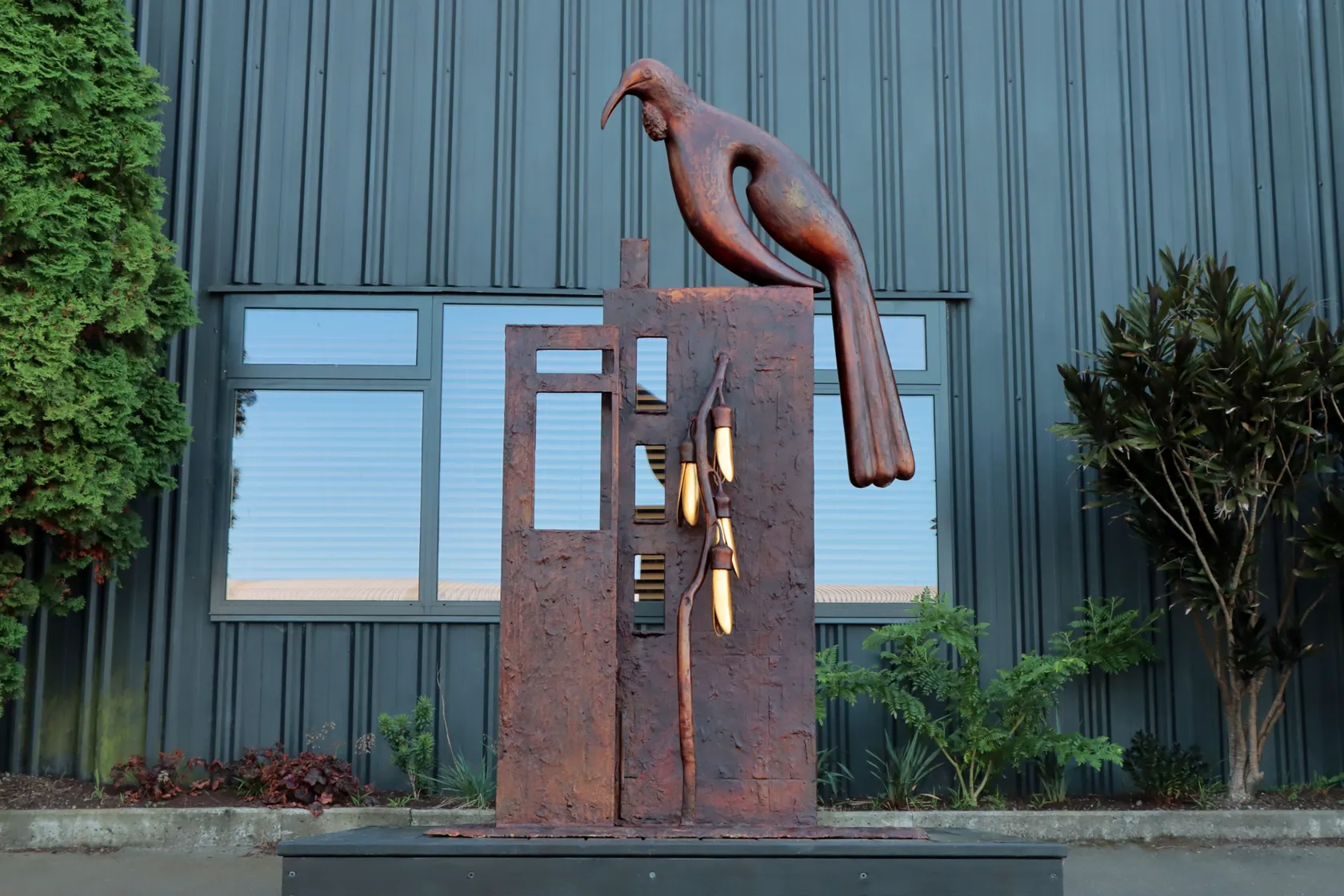
Creating New Landscapes
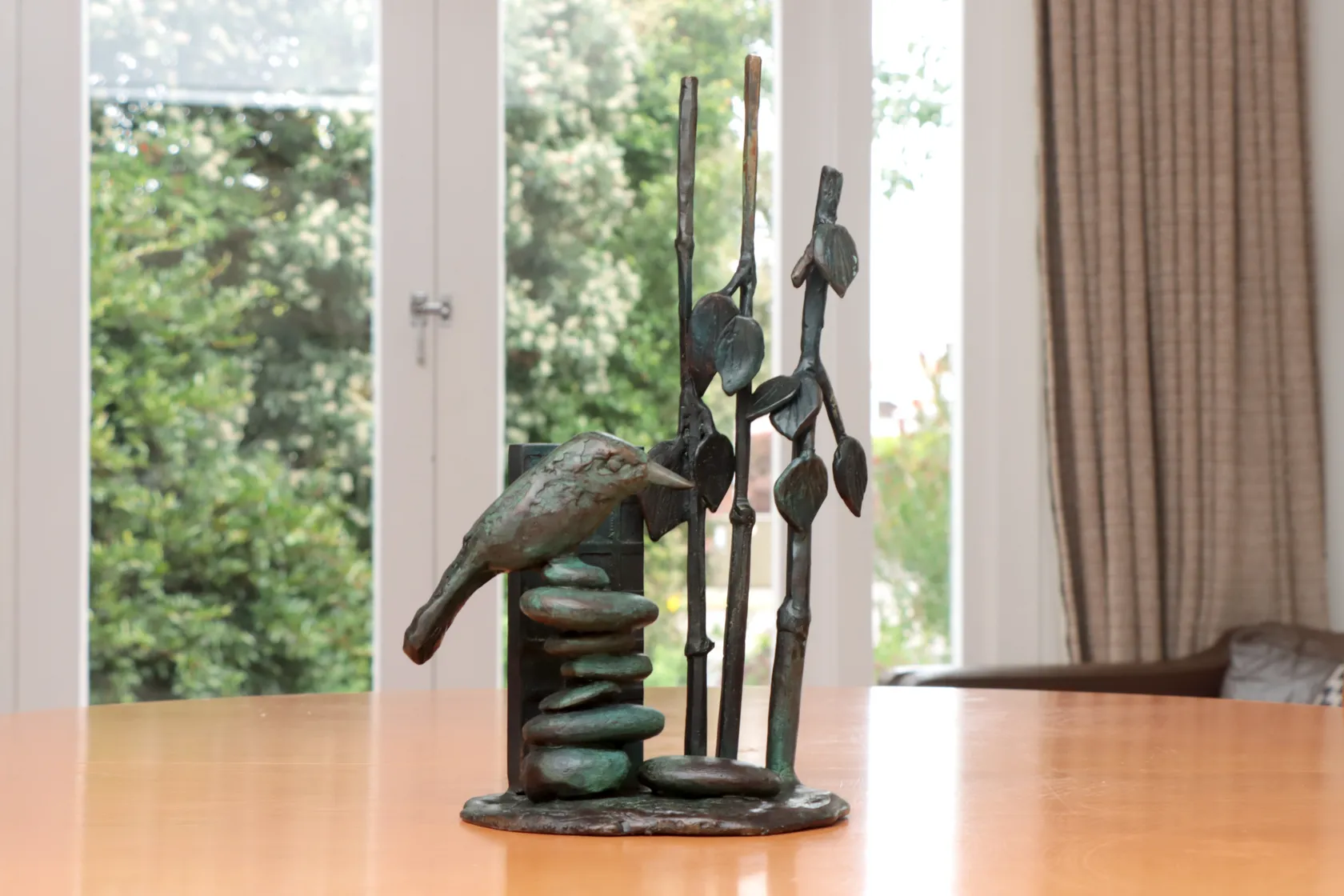
Finding a Vantage Point

Healers
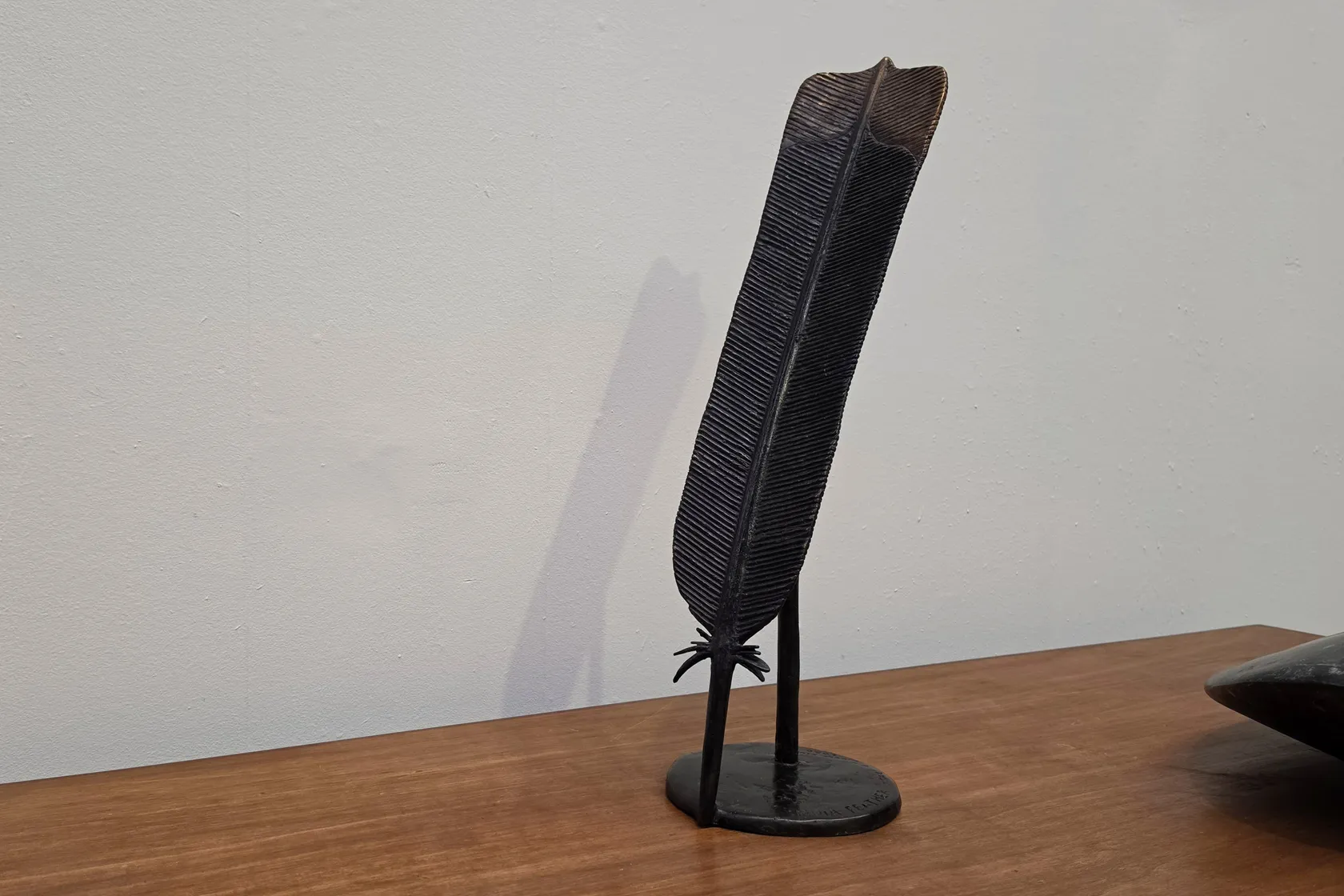
Huia Feather model
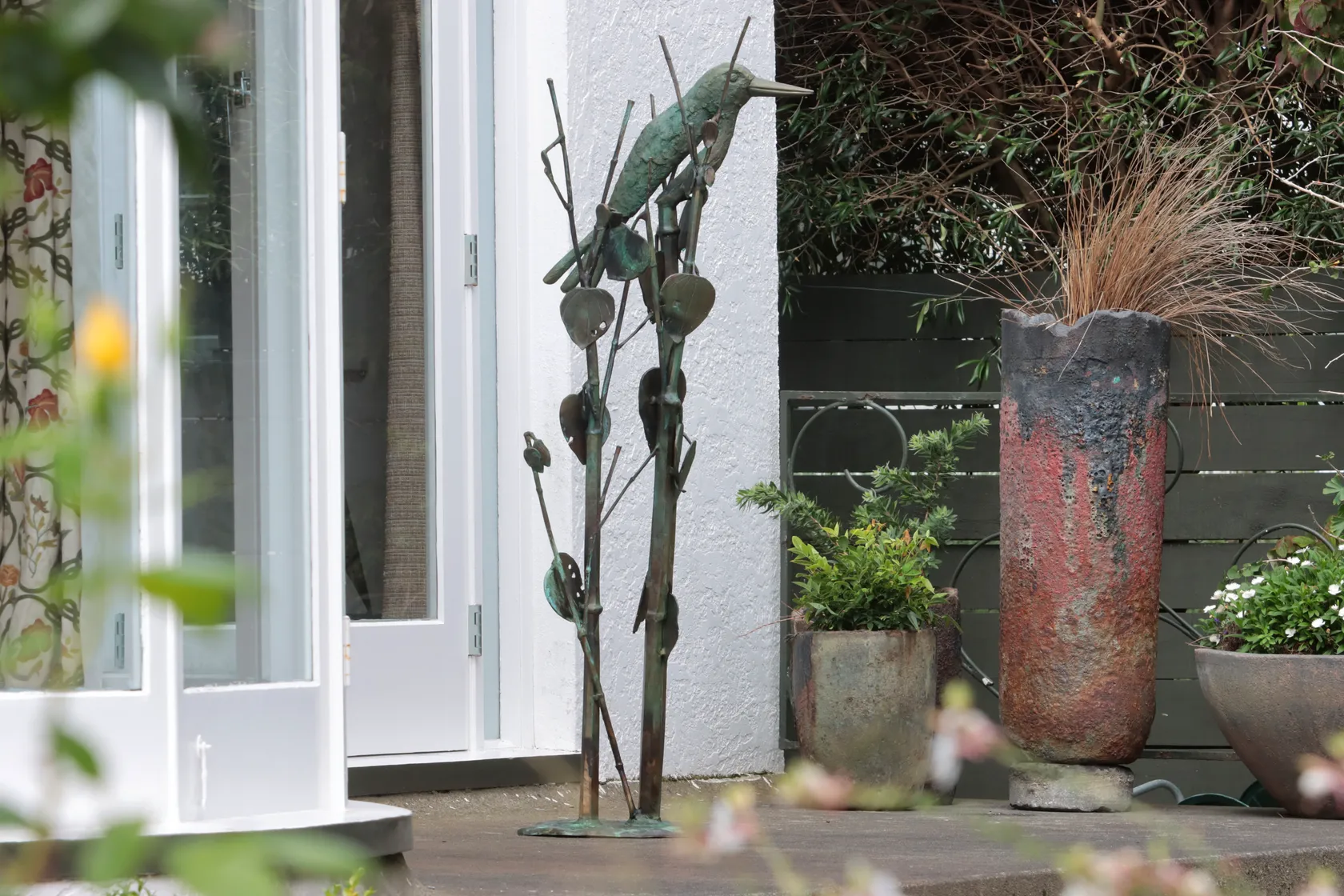
In Lost Places
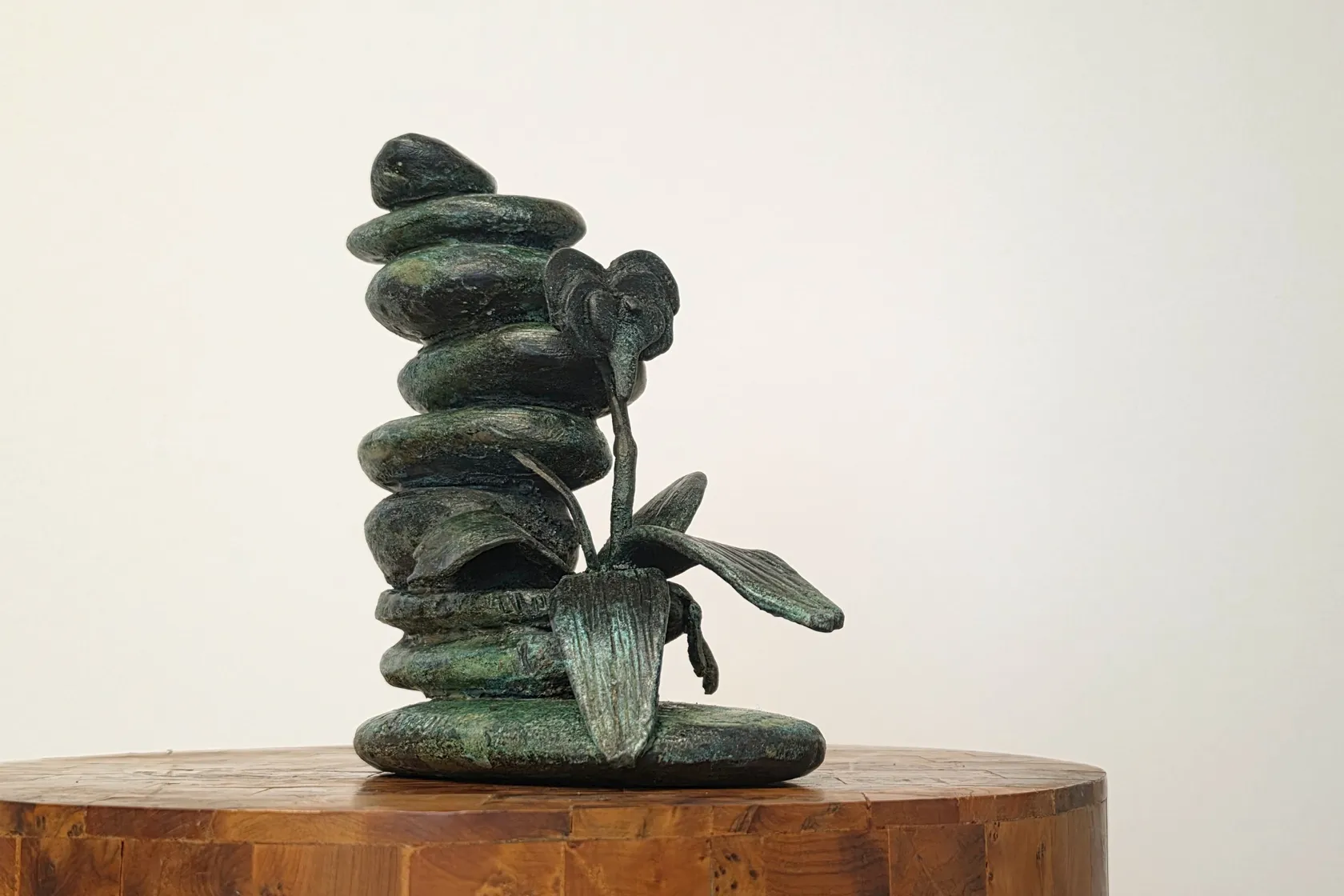
In small gaps, giant flowers can grow
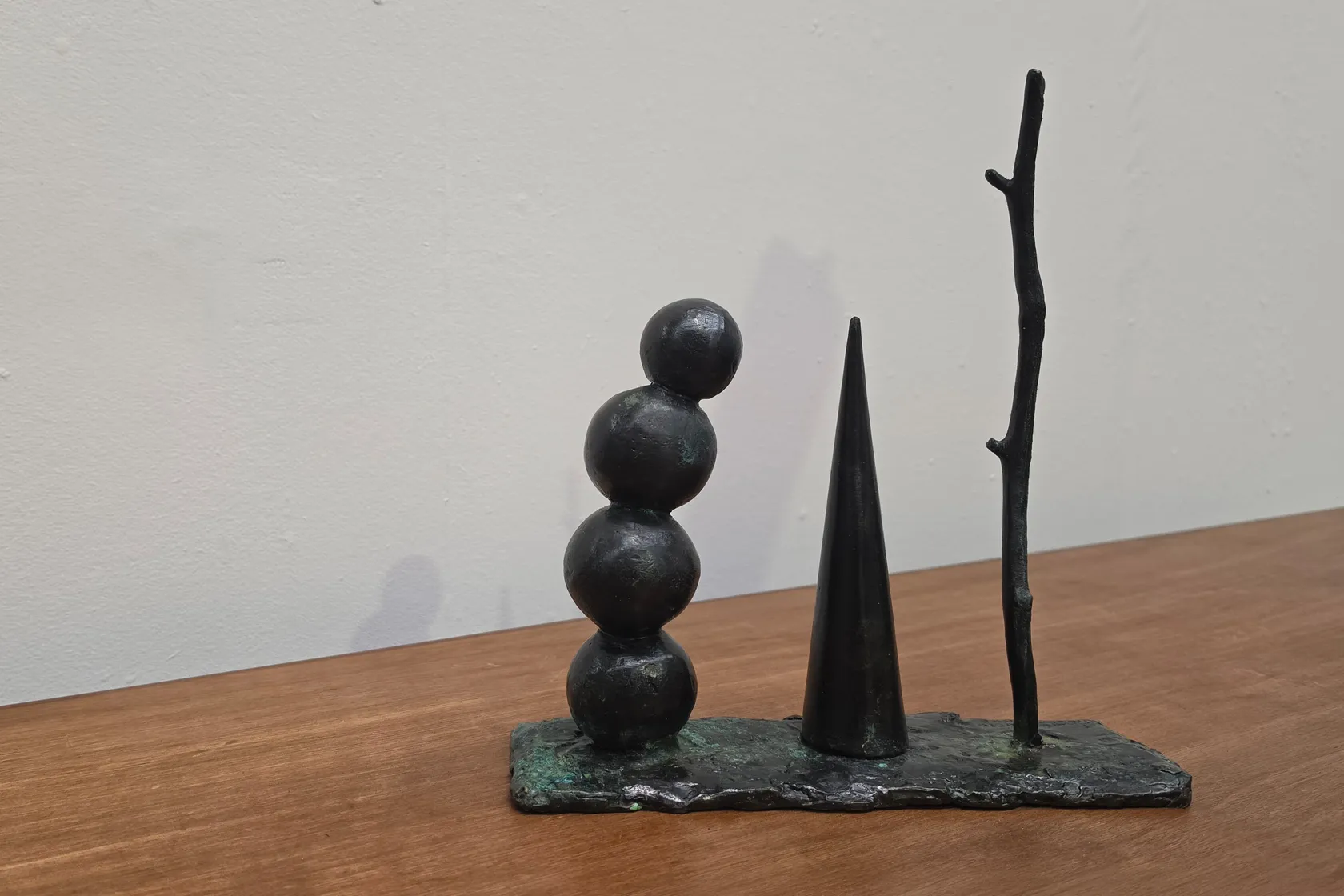
It's impossible not to communicate

Of balance and healing
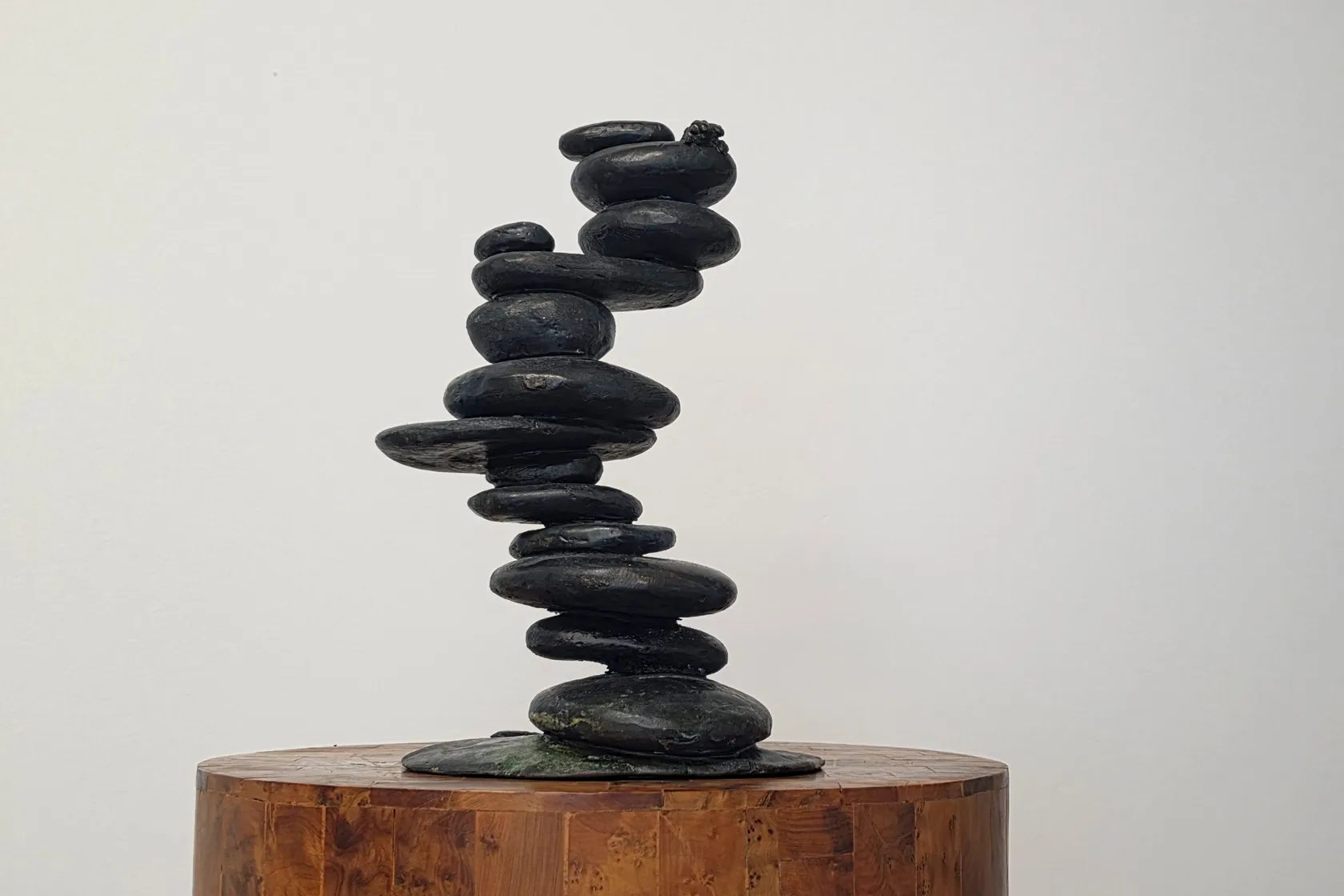
Offerings to the Gods model

Re-building
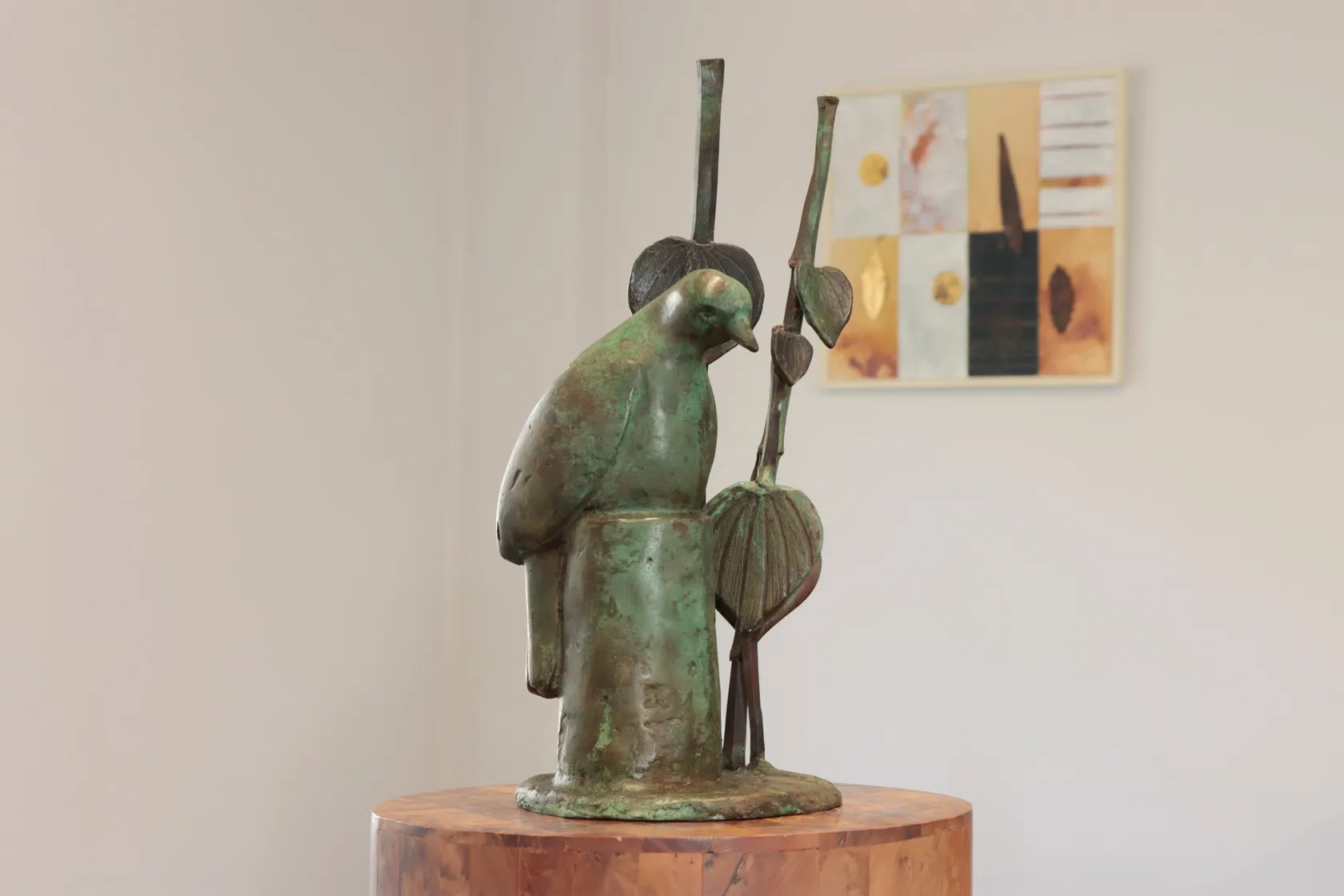
Safe Roost

Settling in Cities
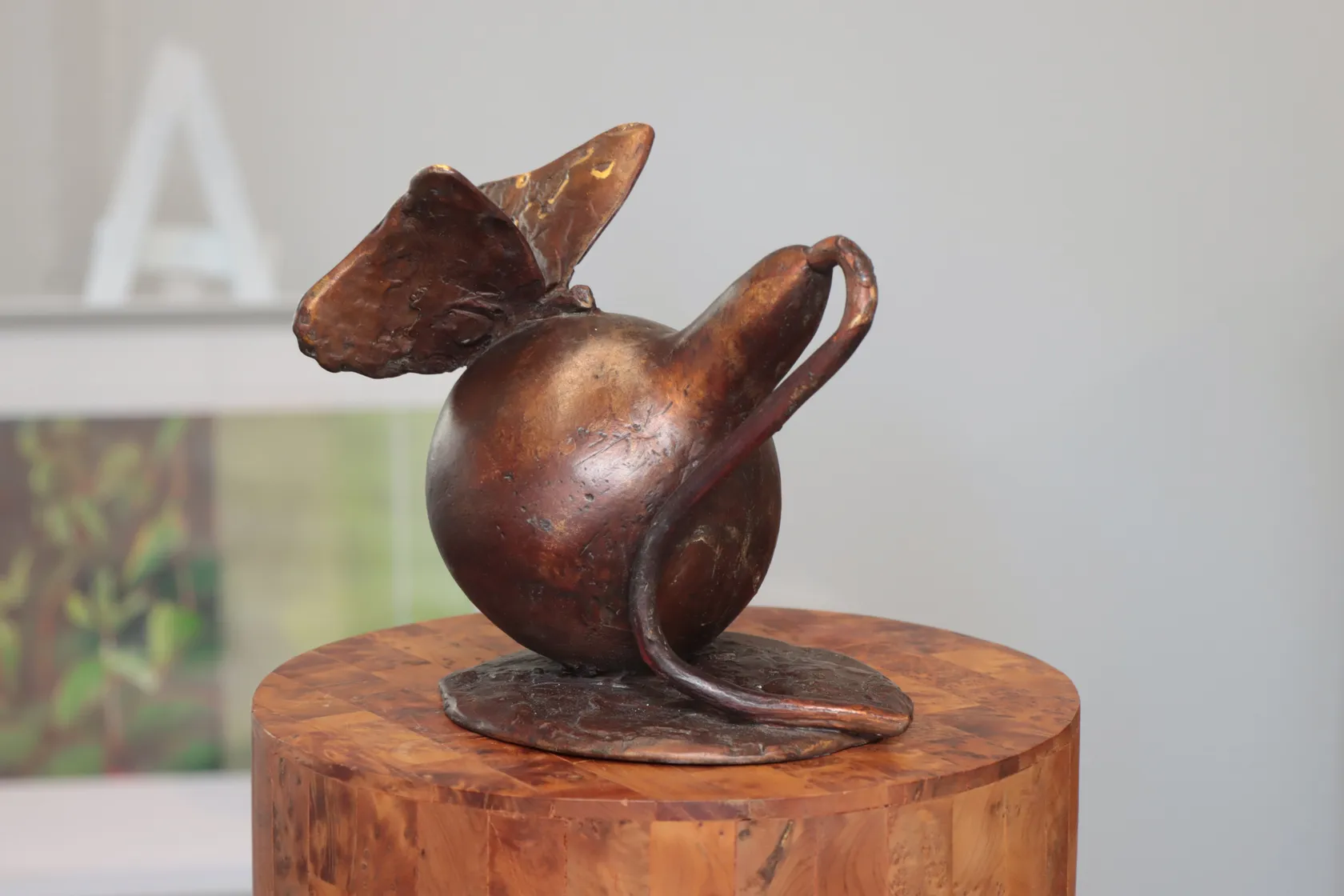
Supplies for Long Journeys
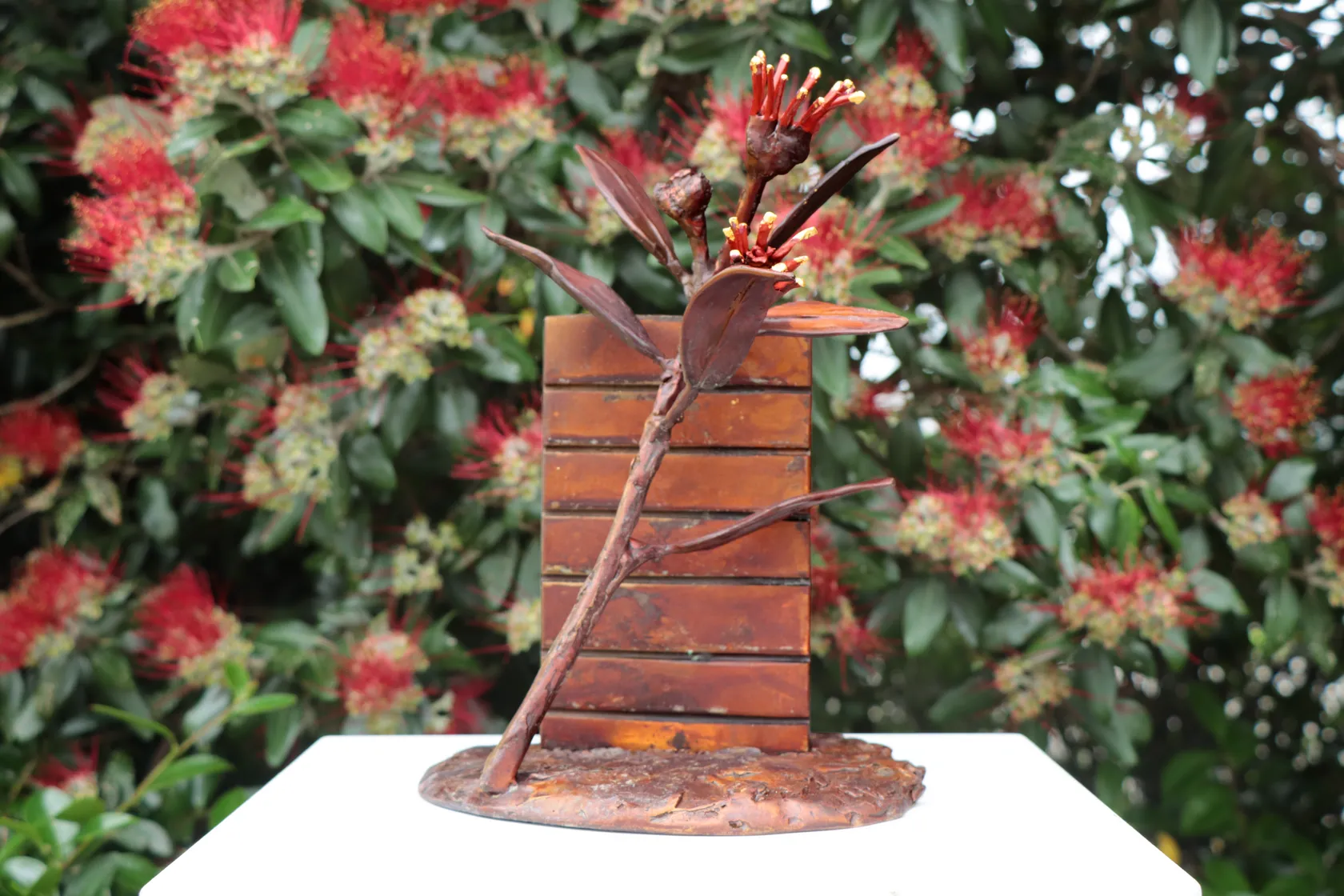
The Blood-Red Rata
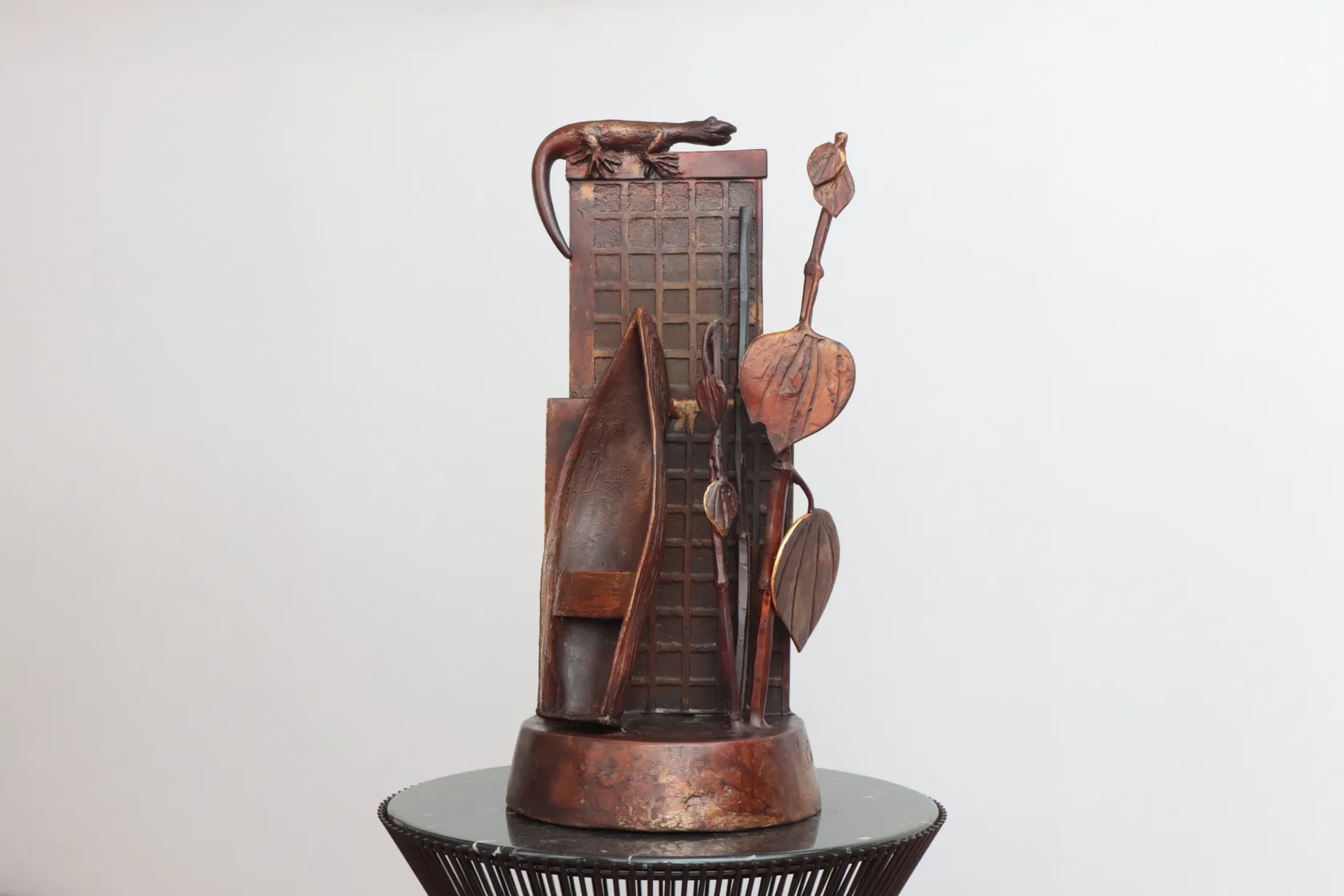
The Nature Gods Return
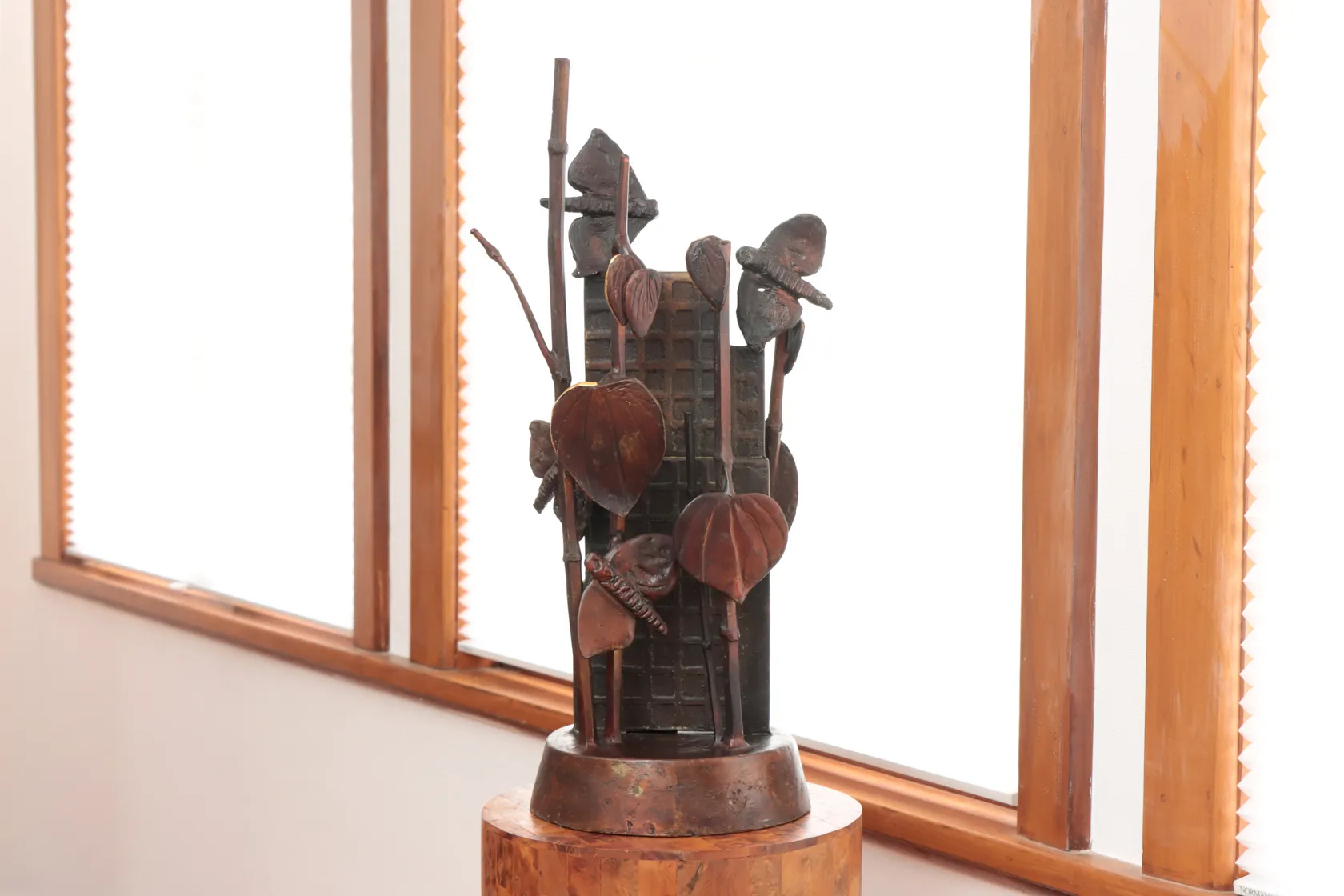
They Gather Like Angels
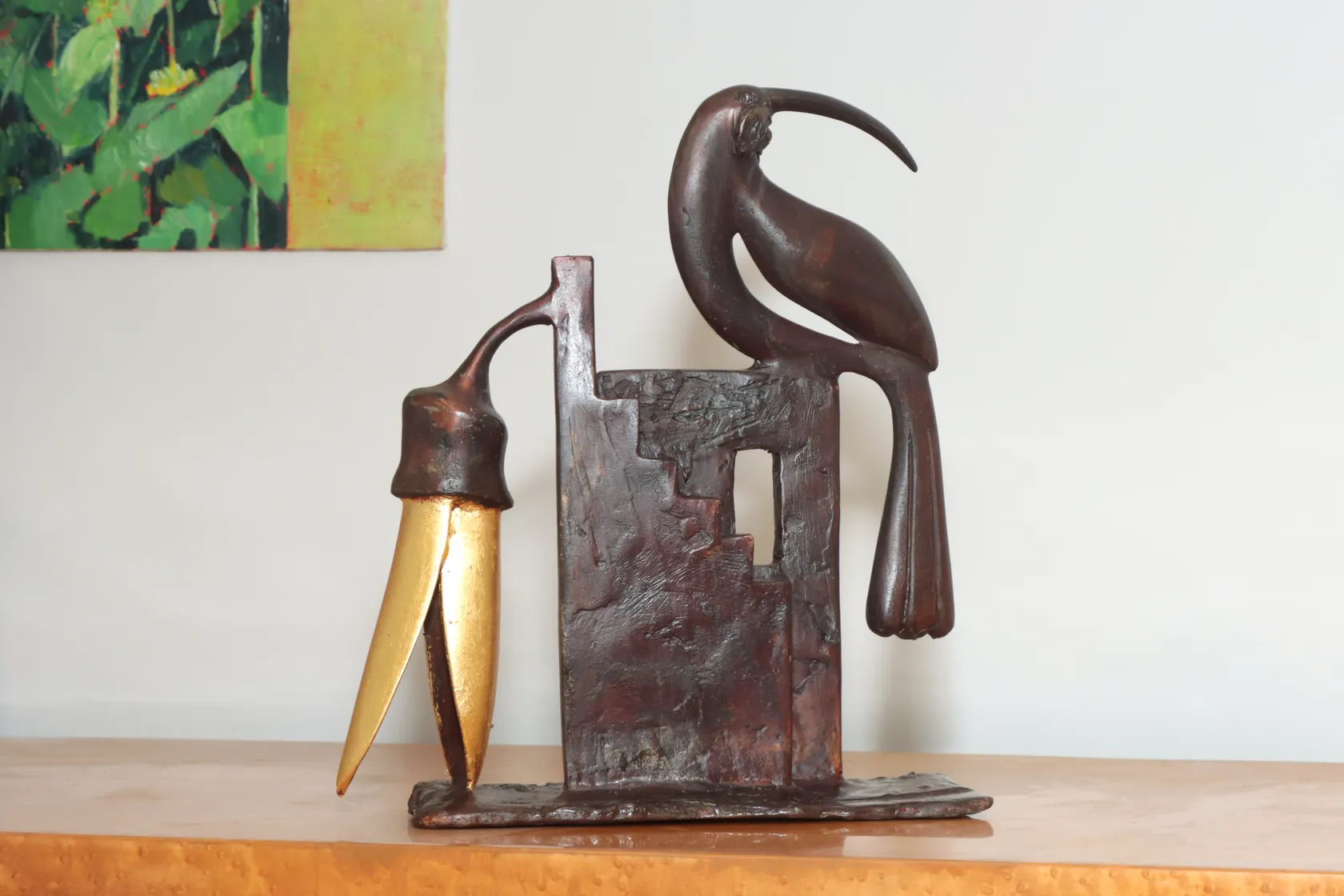
Tribute Looking Back to the Golden Days

Tui on Building Remains
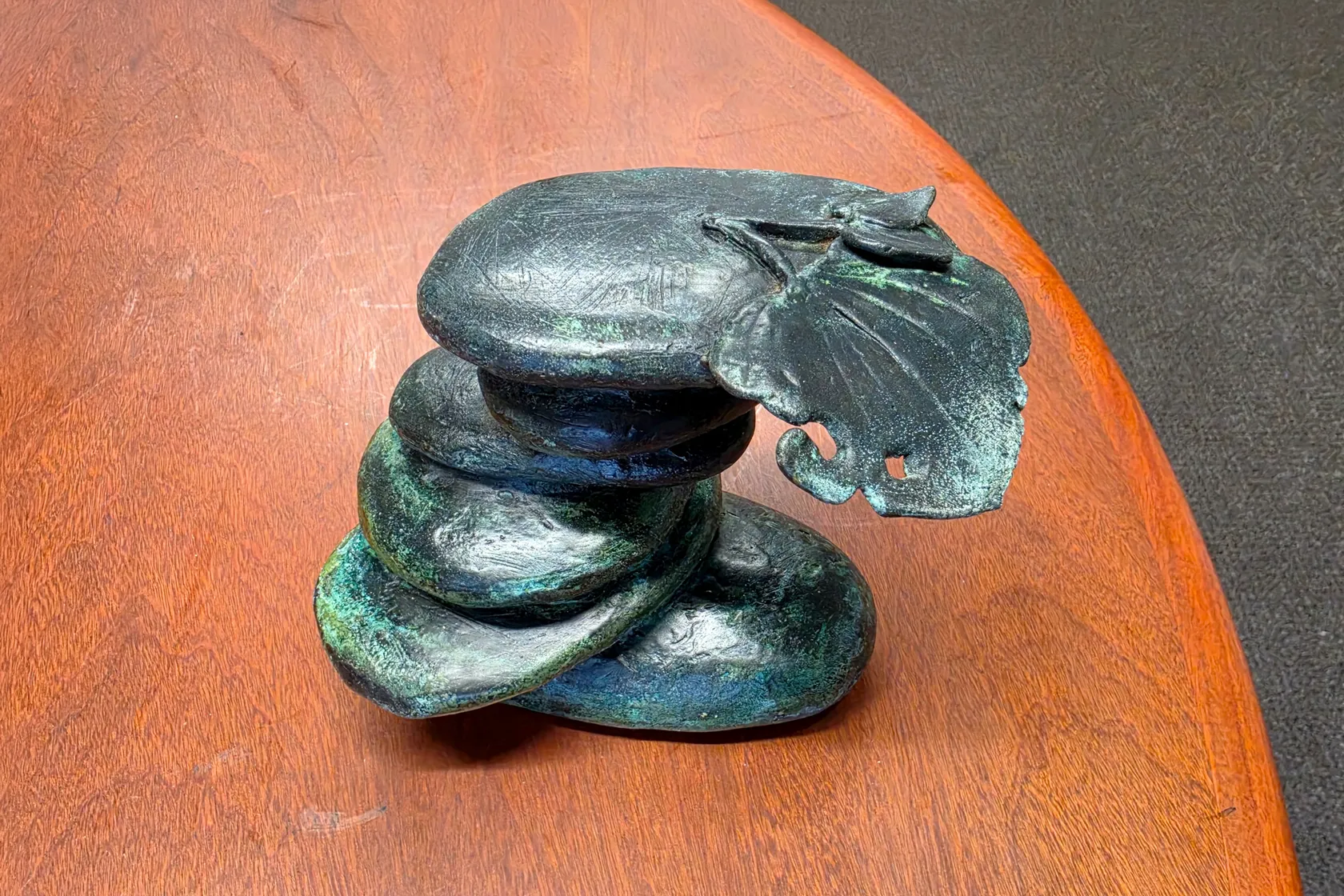
Untitled
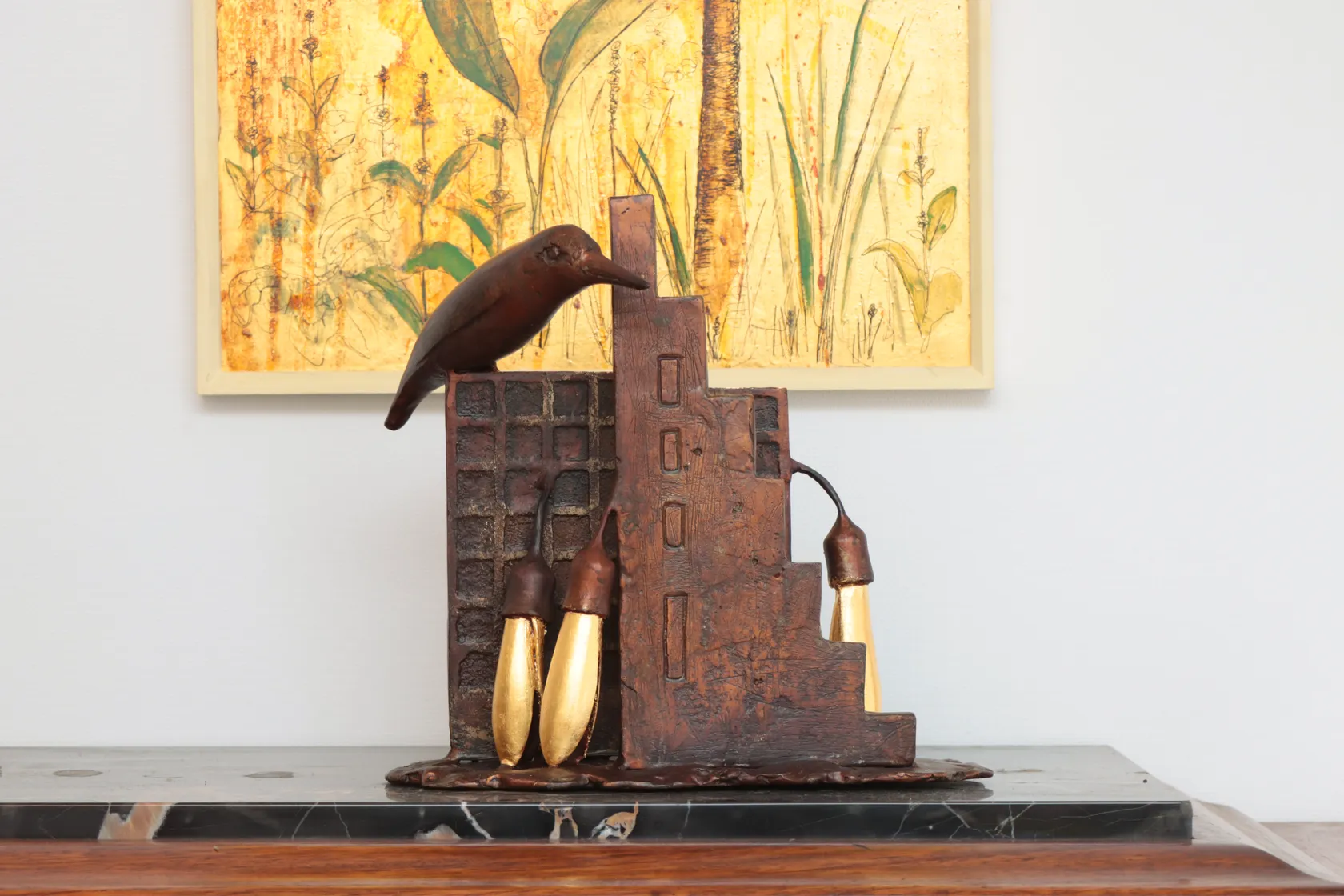
Using Old Structures
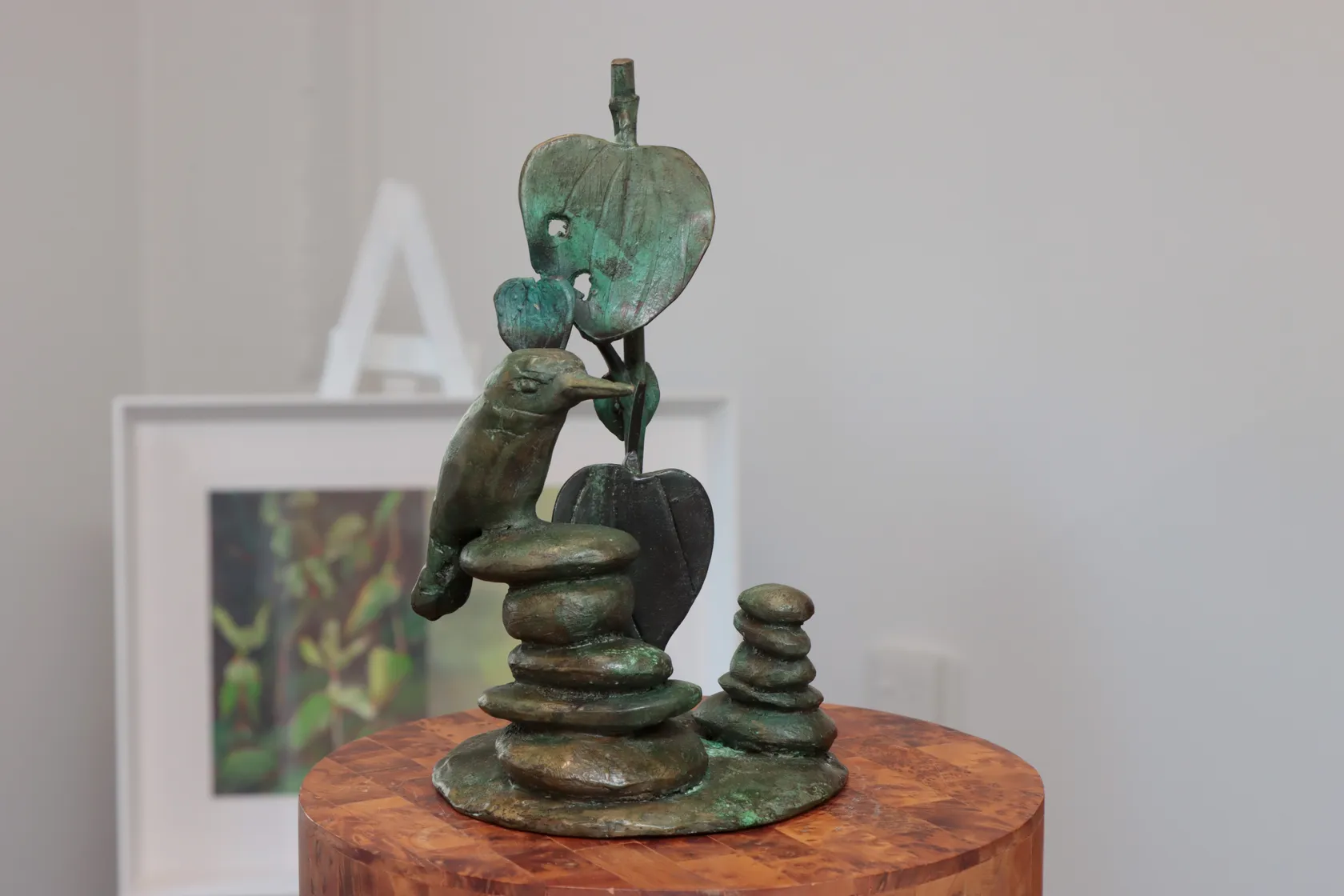
Vantage Point

With the tilt of a butterfly's wing
2025
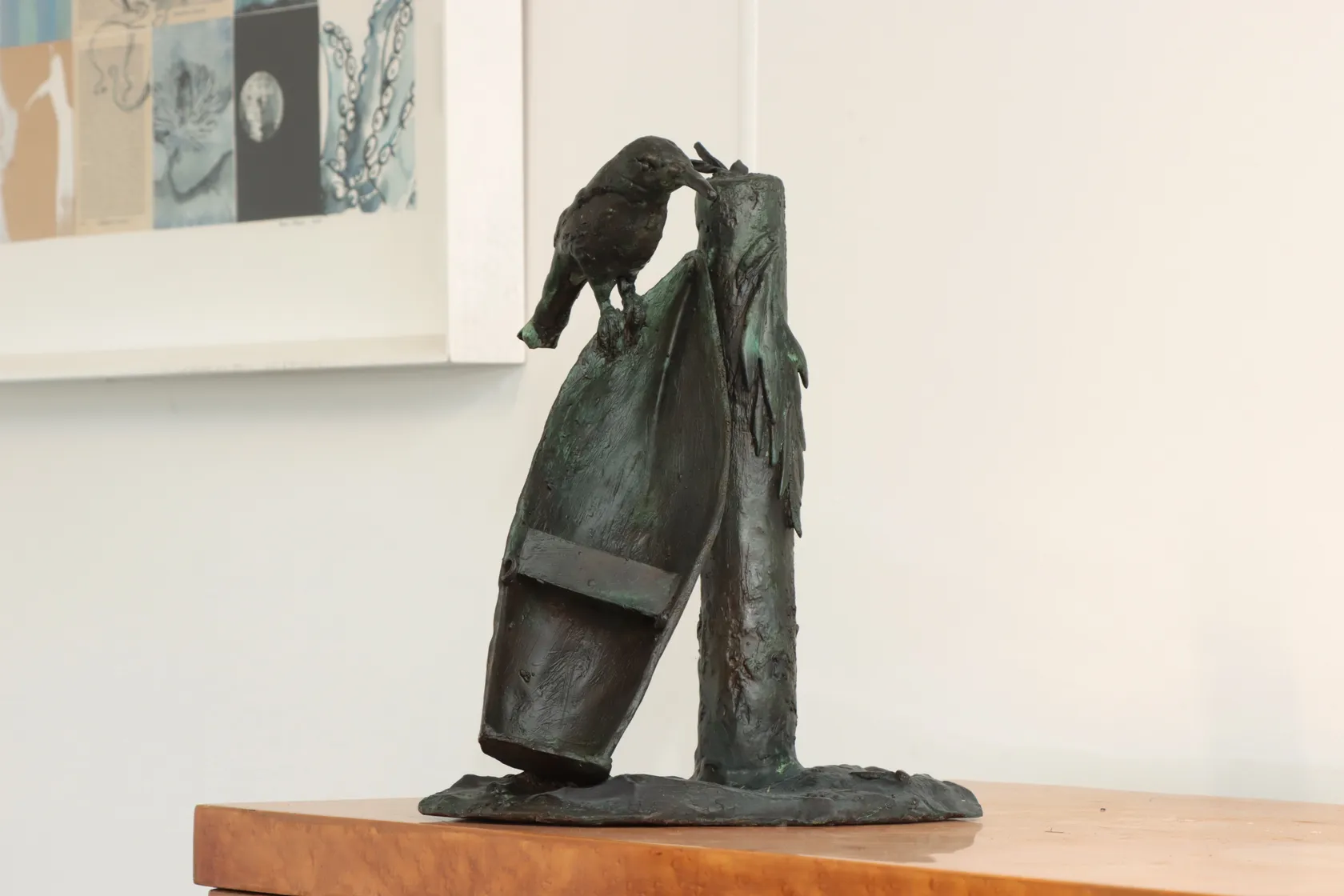
A Fearless Diver Waits
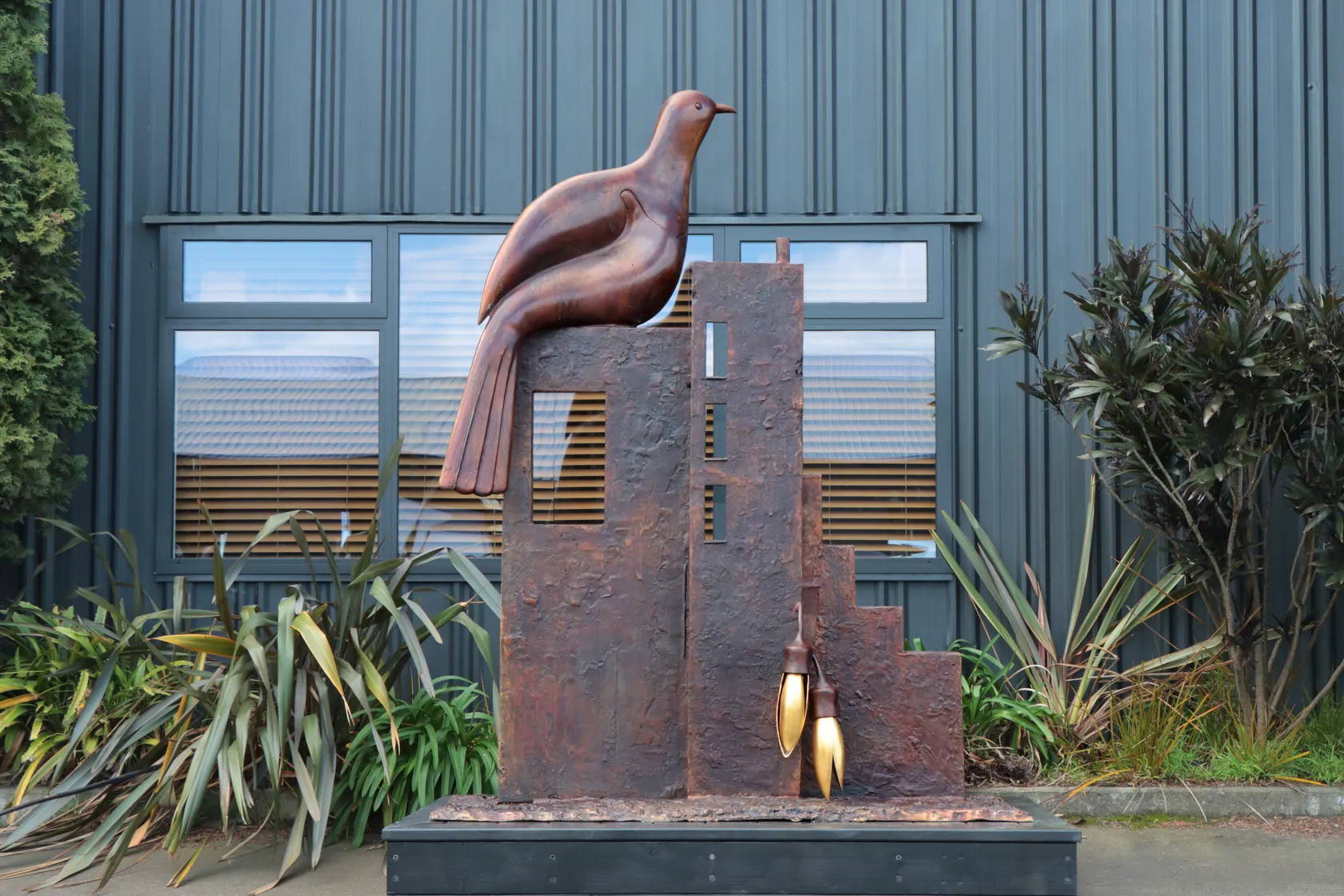
A Move into the City
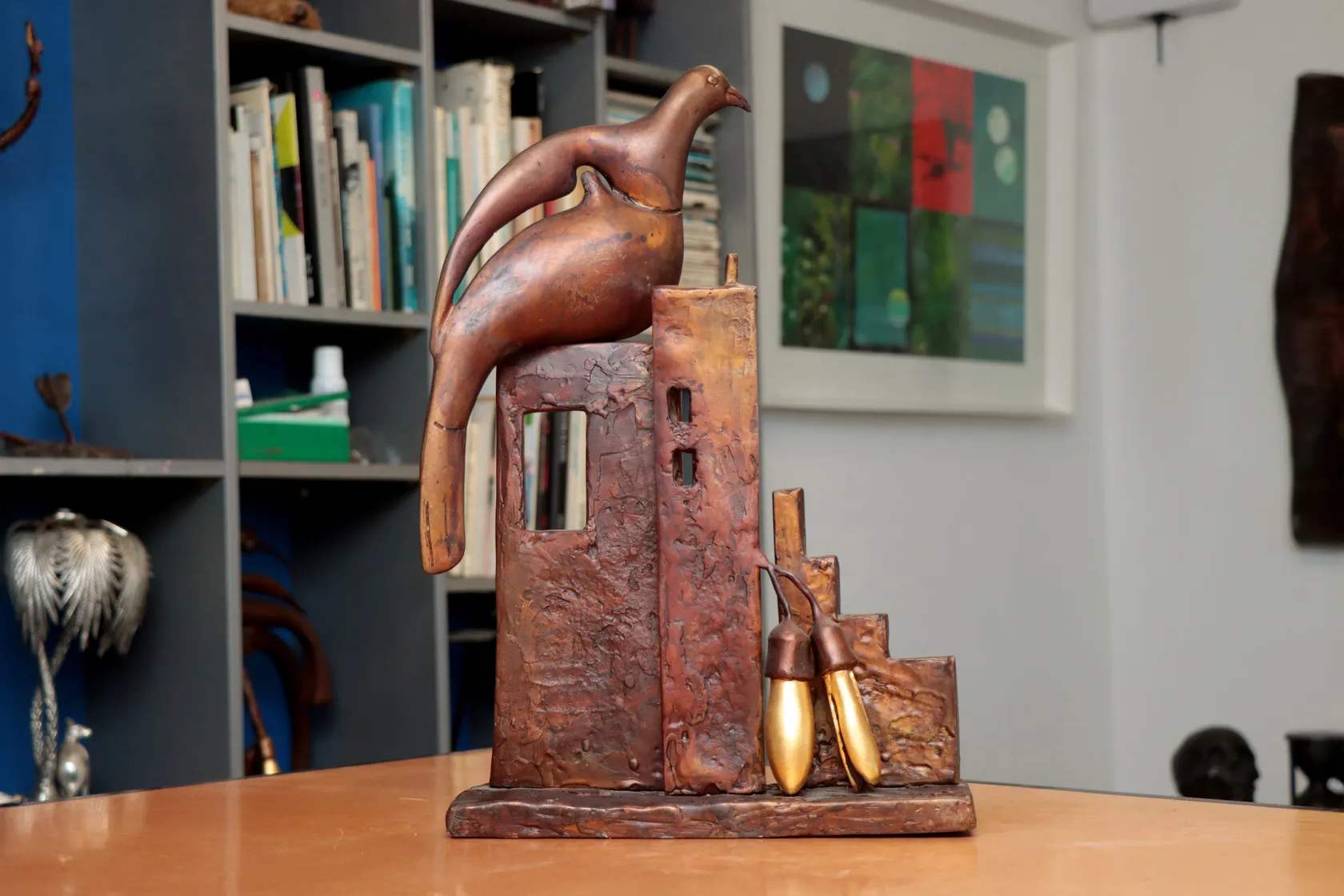
A Move into the City model
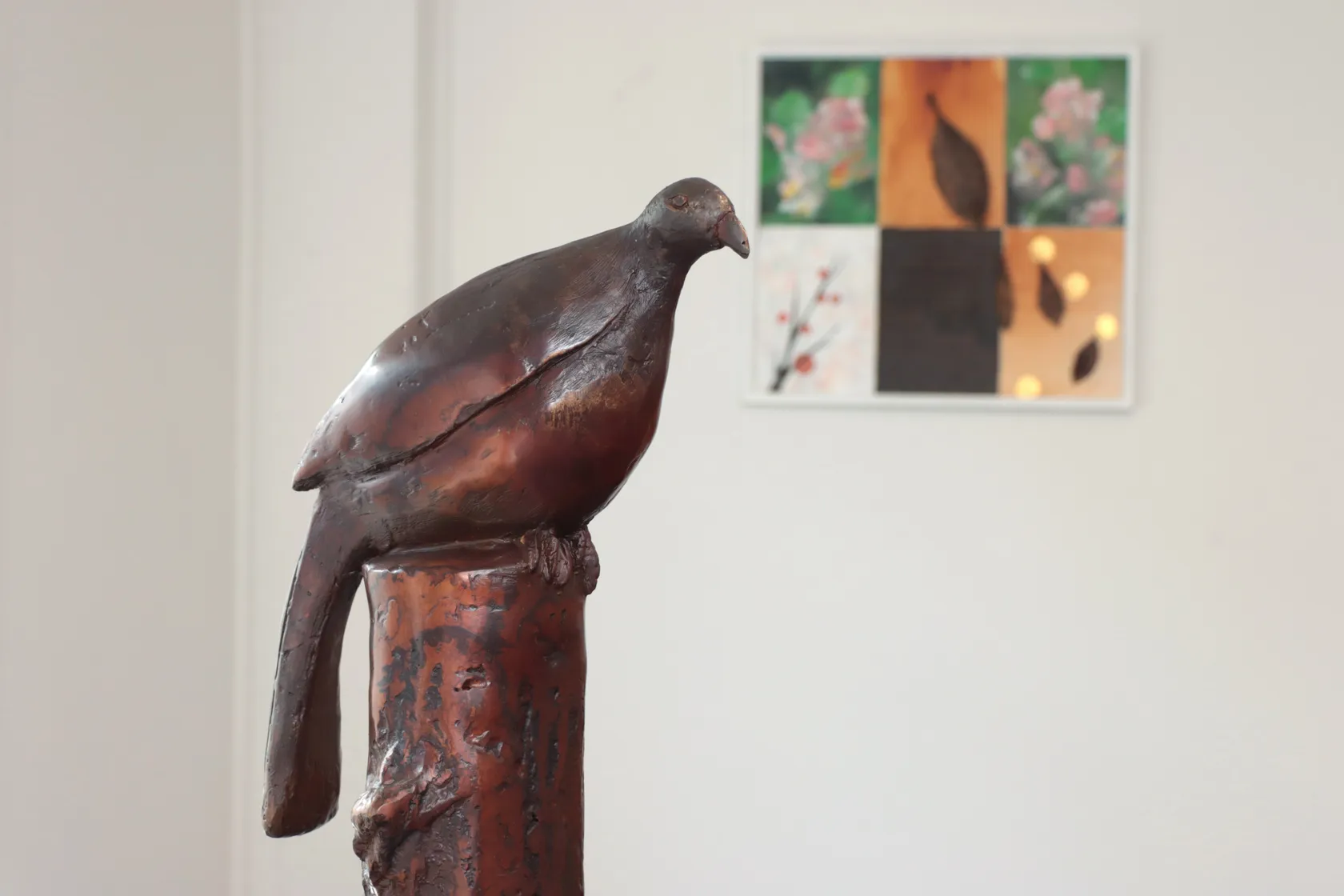
Aotearoa Column
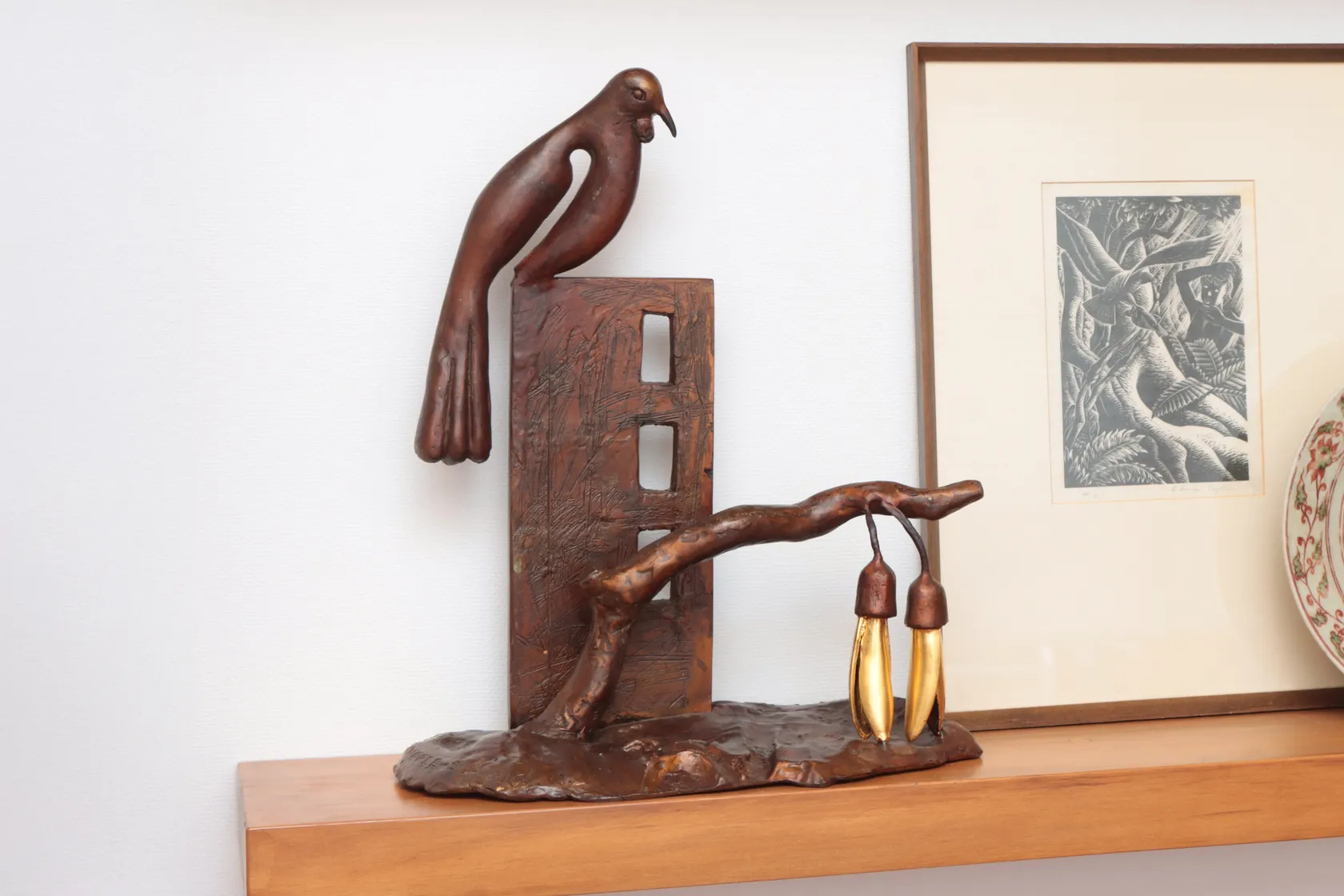
Bird in the City
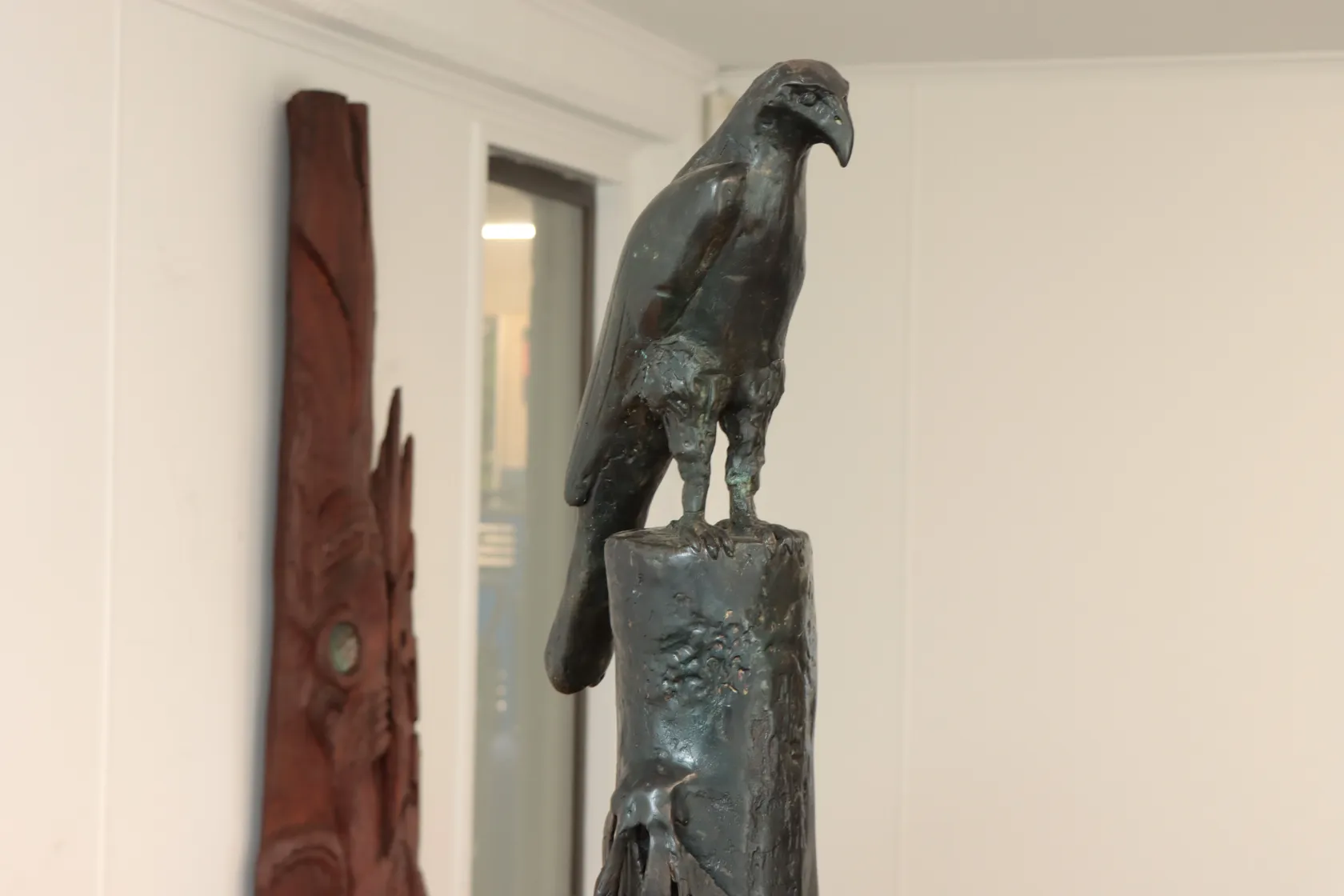
Falcon on a Nature Plinth
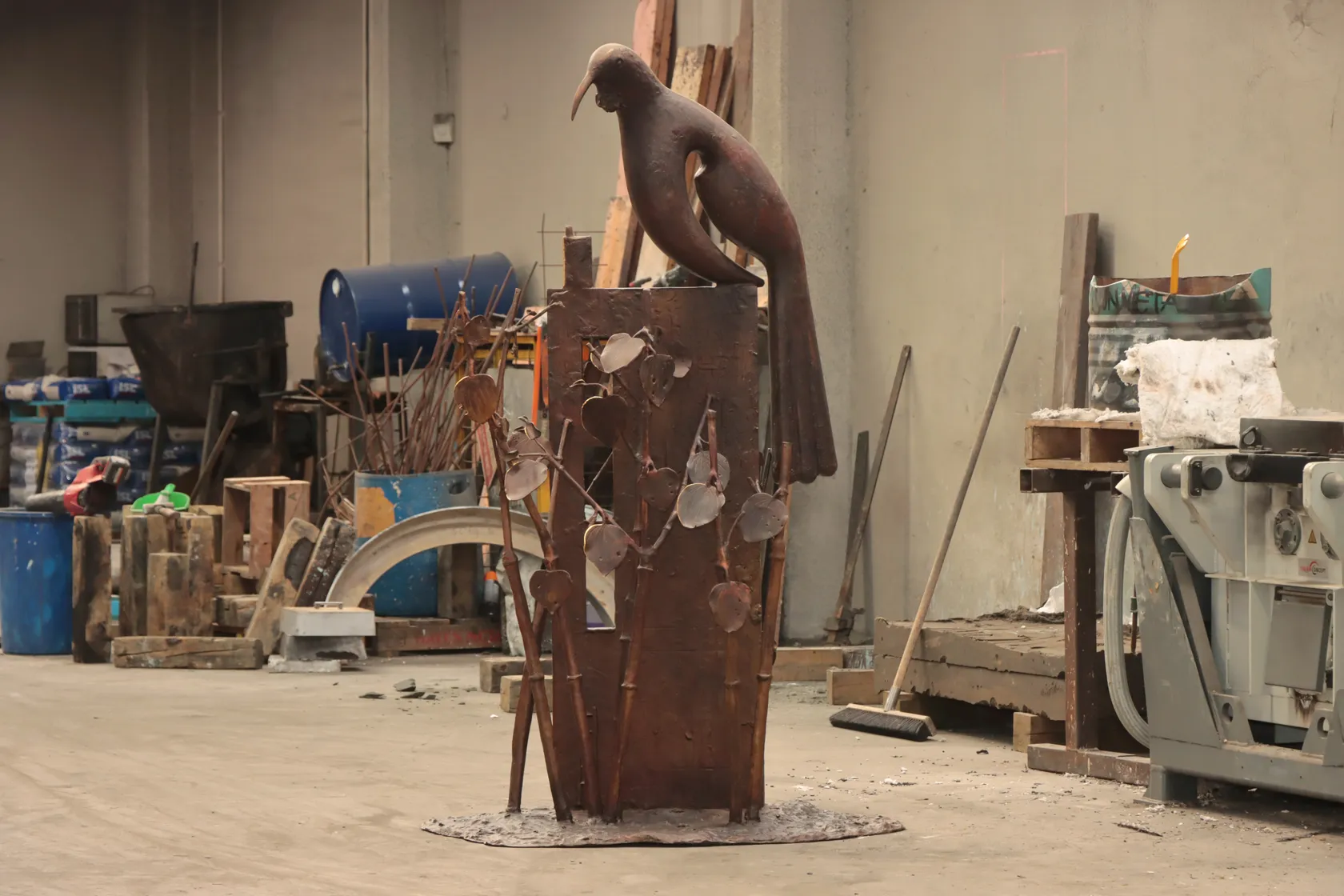
Healing a Busy World
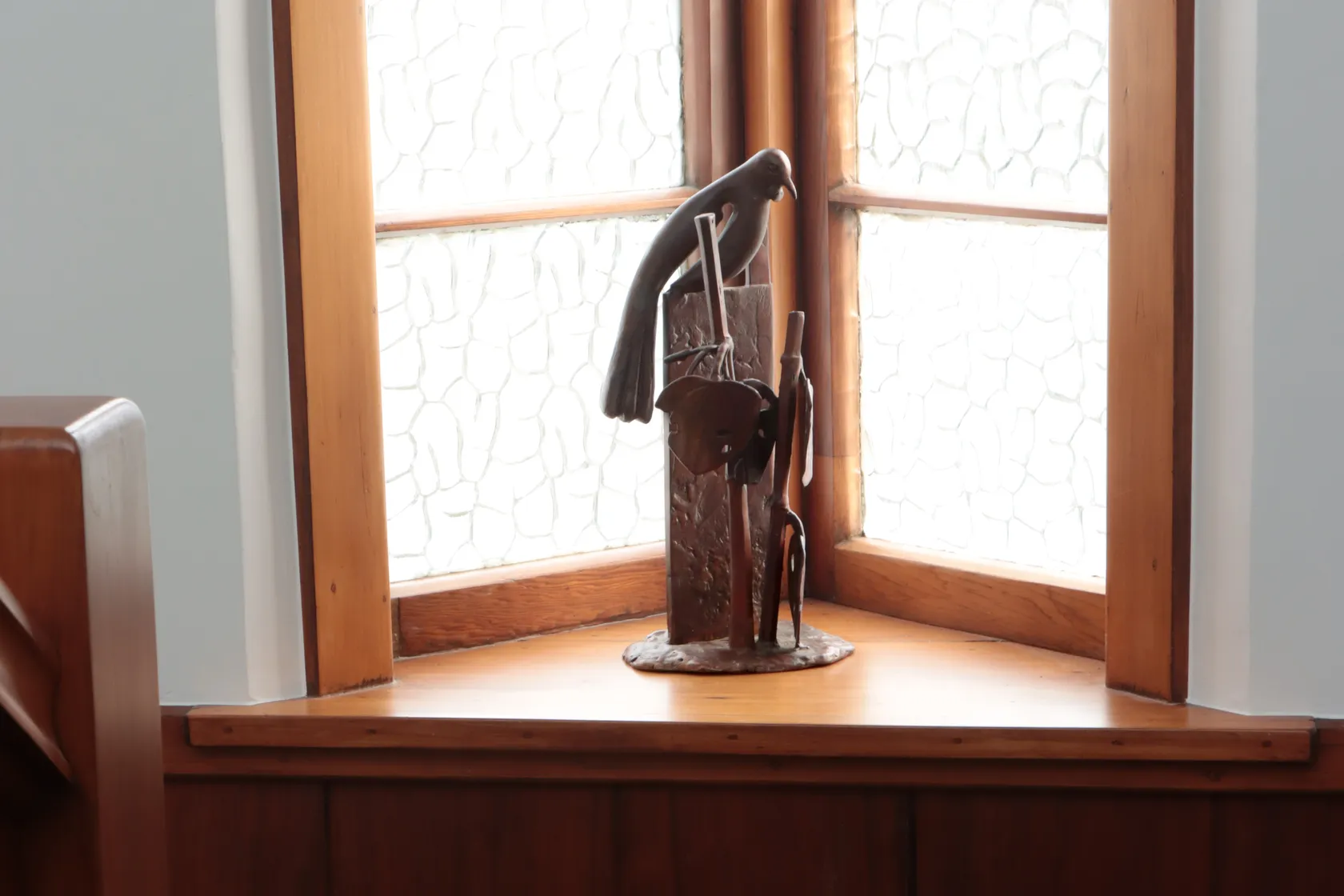
Healing a Busy World model
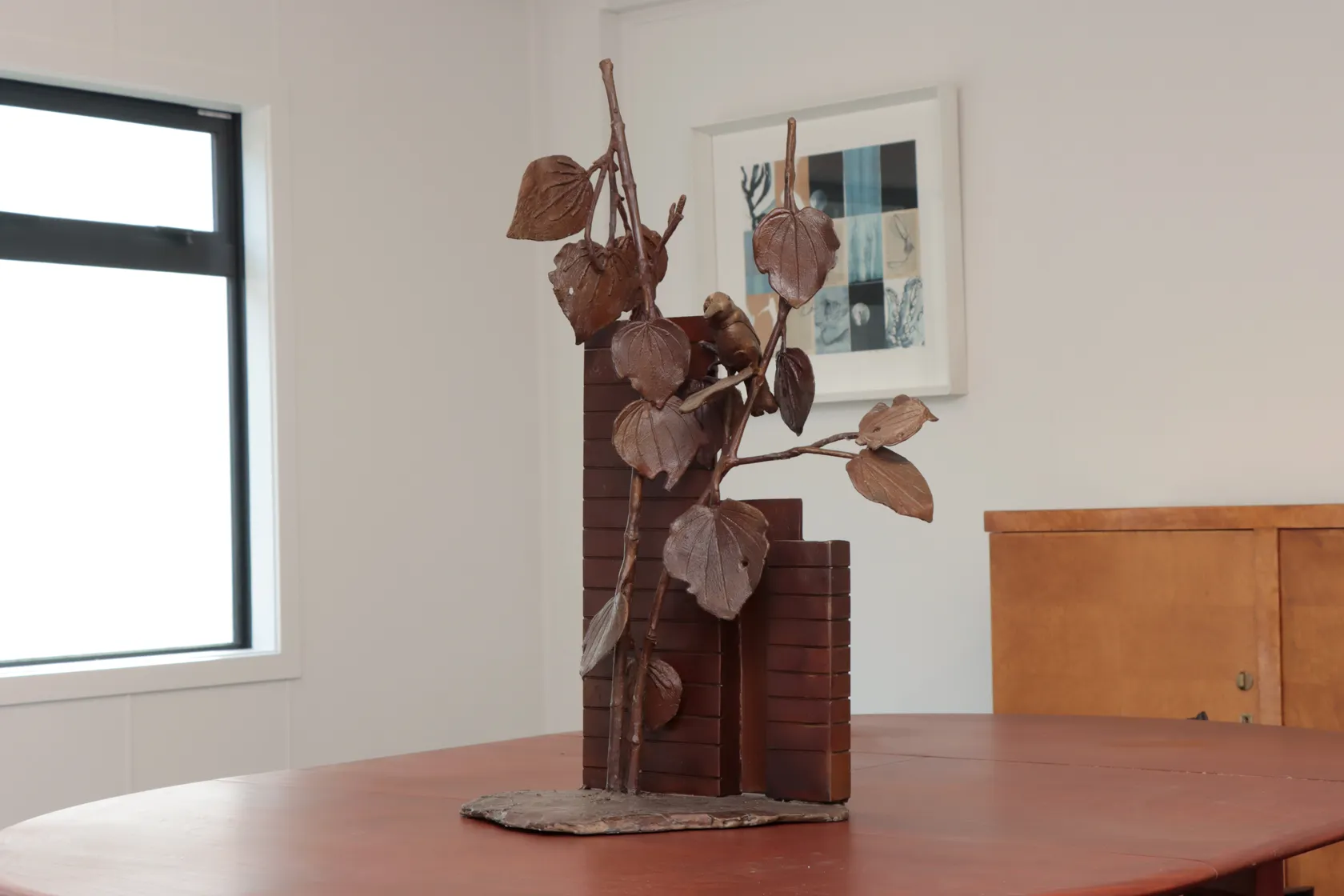
Hiding in Plain Sight
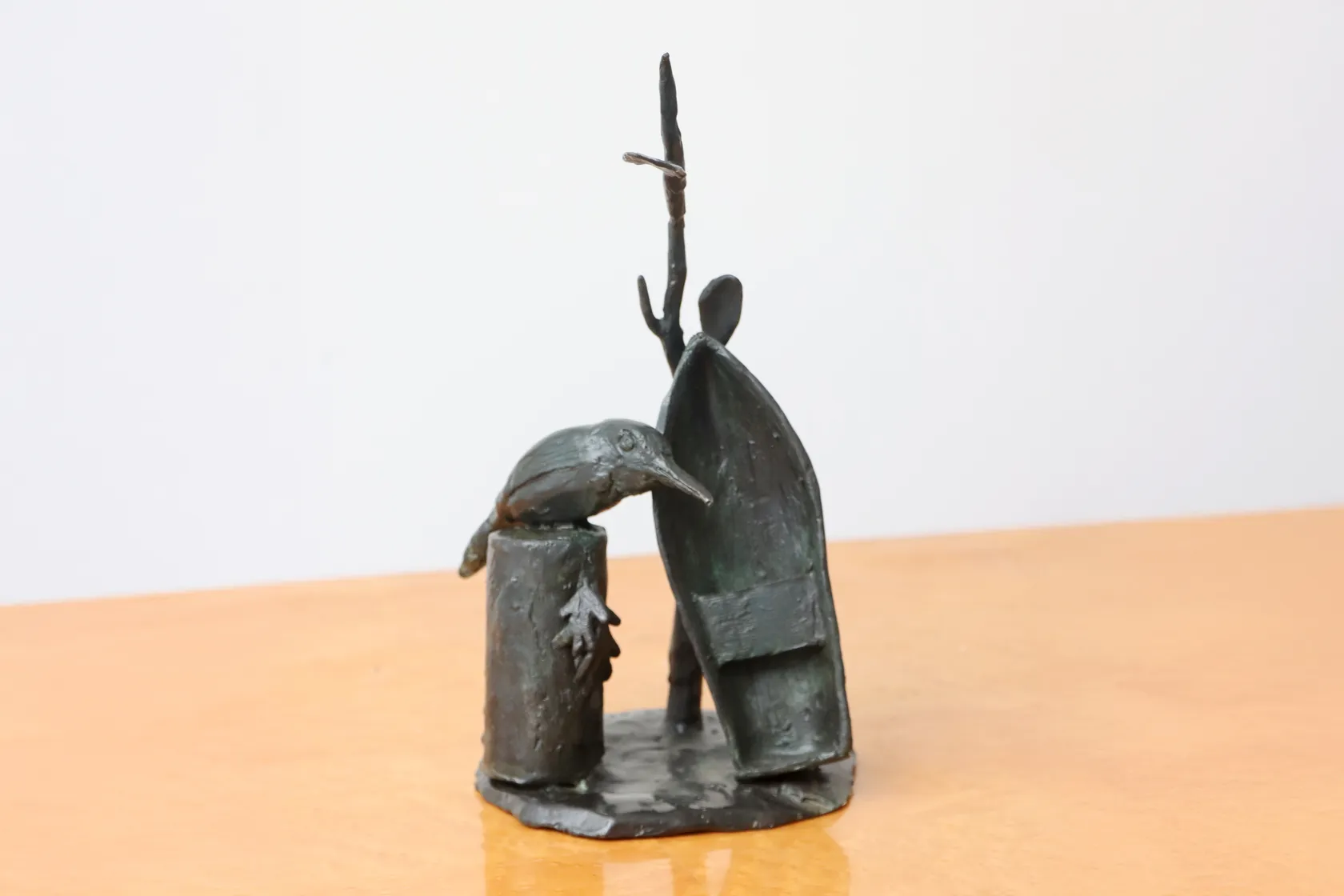
In Isolated, Forgotten Places
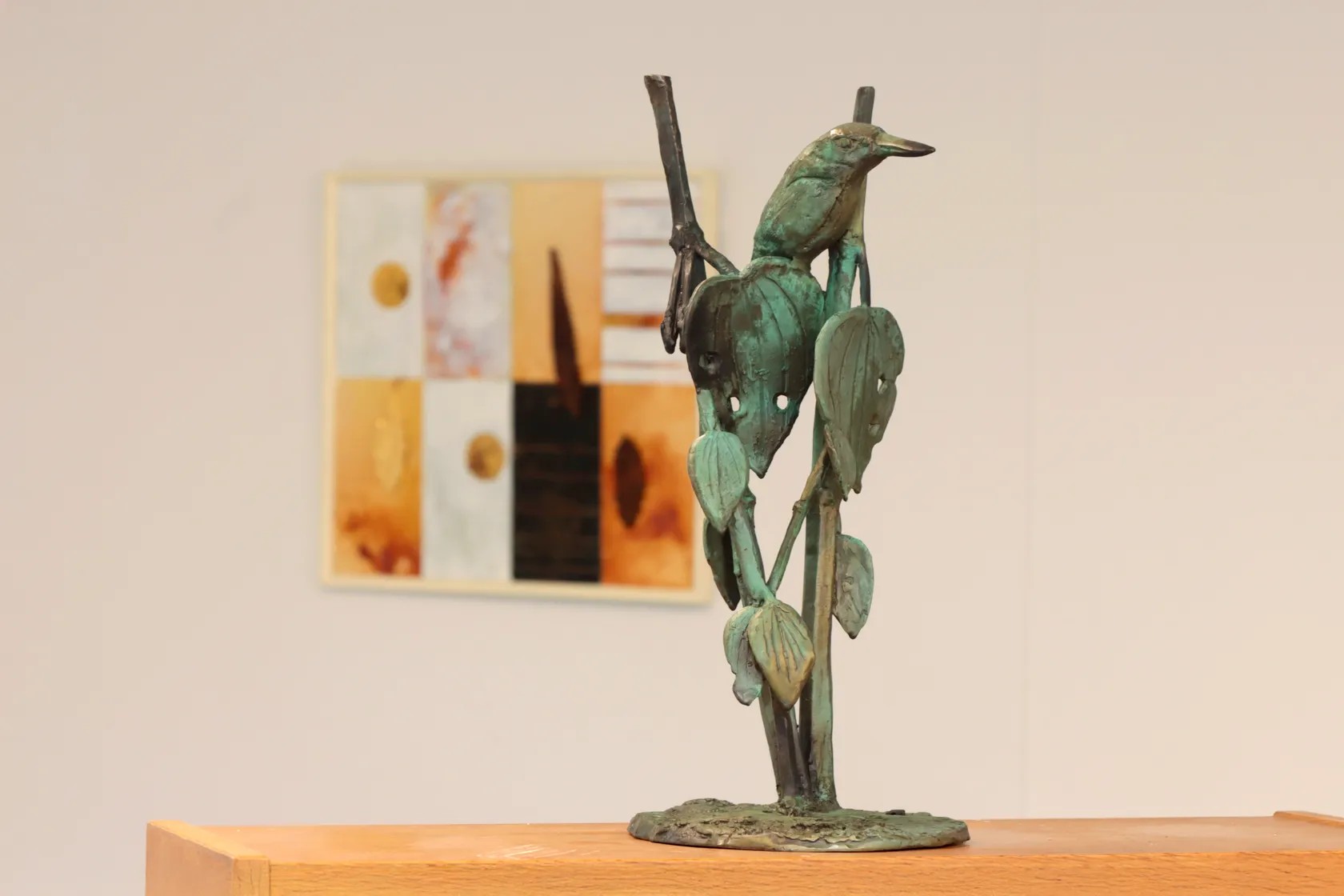
In Plain Sight
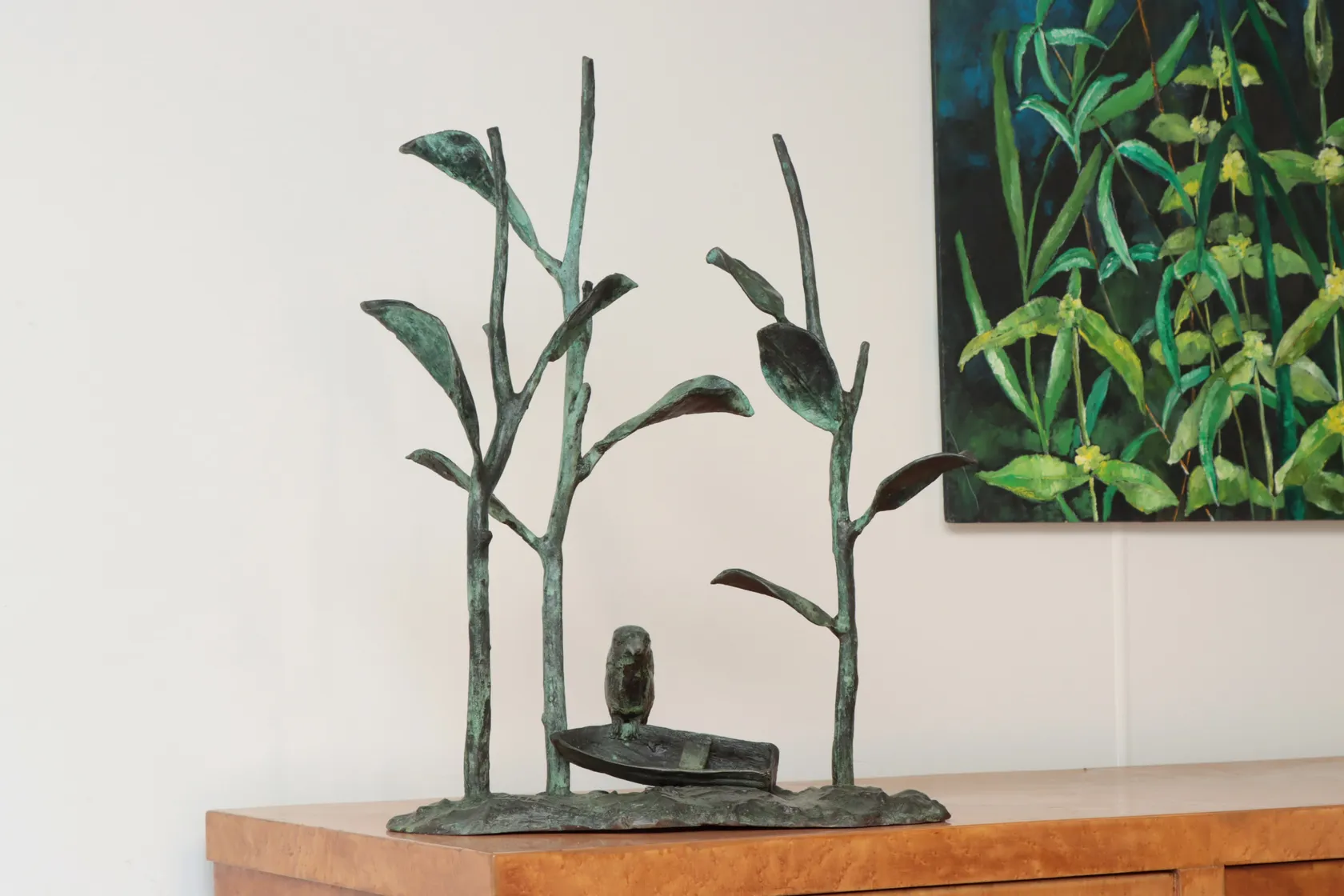
Journeys into Magical Lands
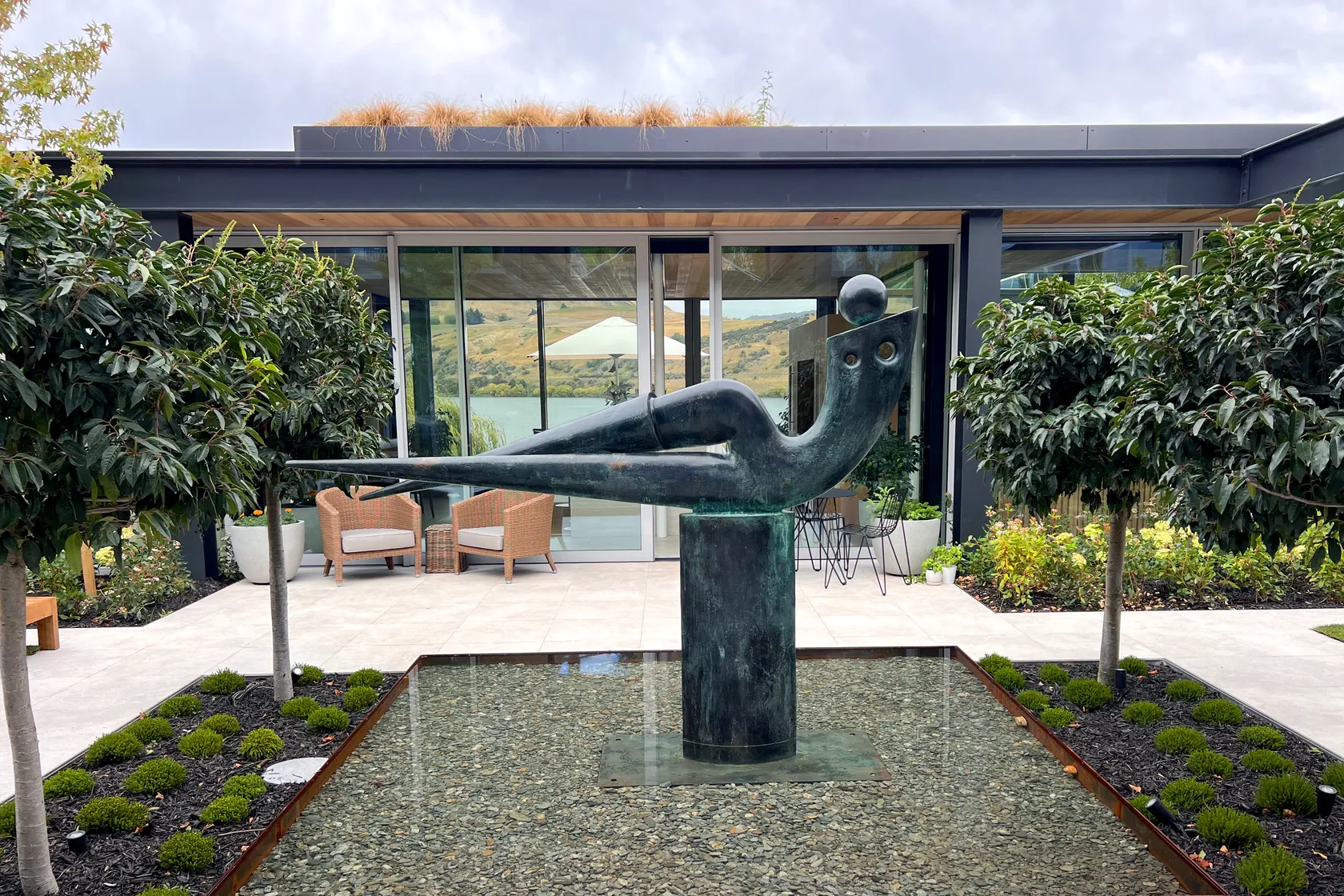
New Horizons
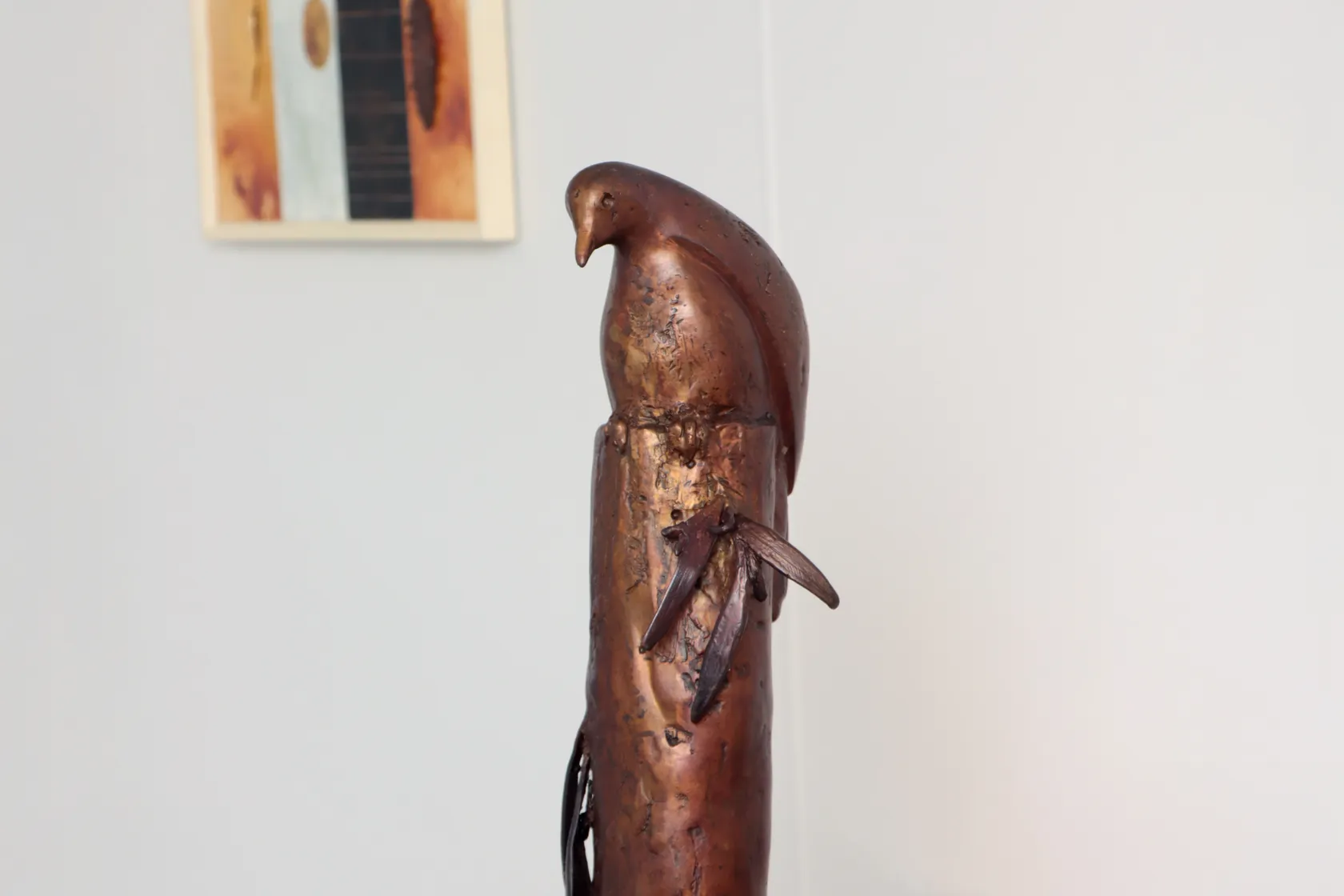
Quiet Perch
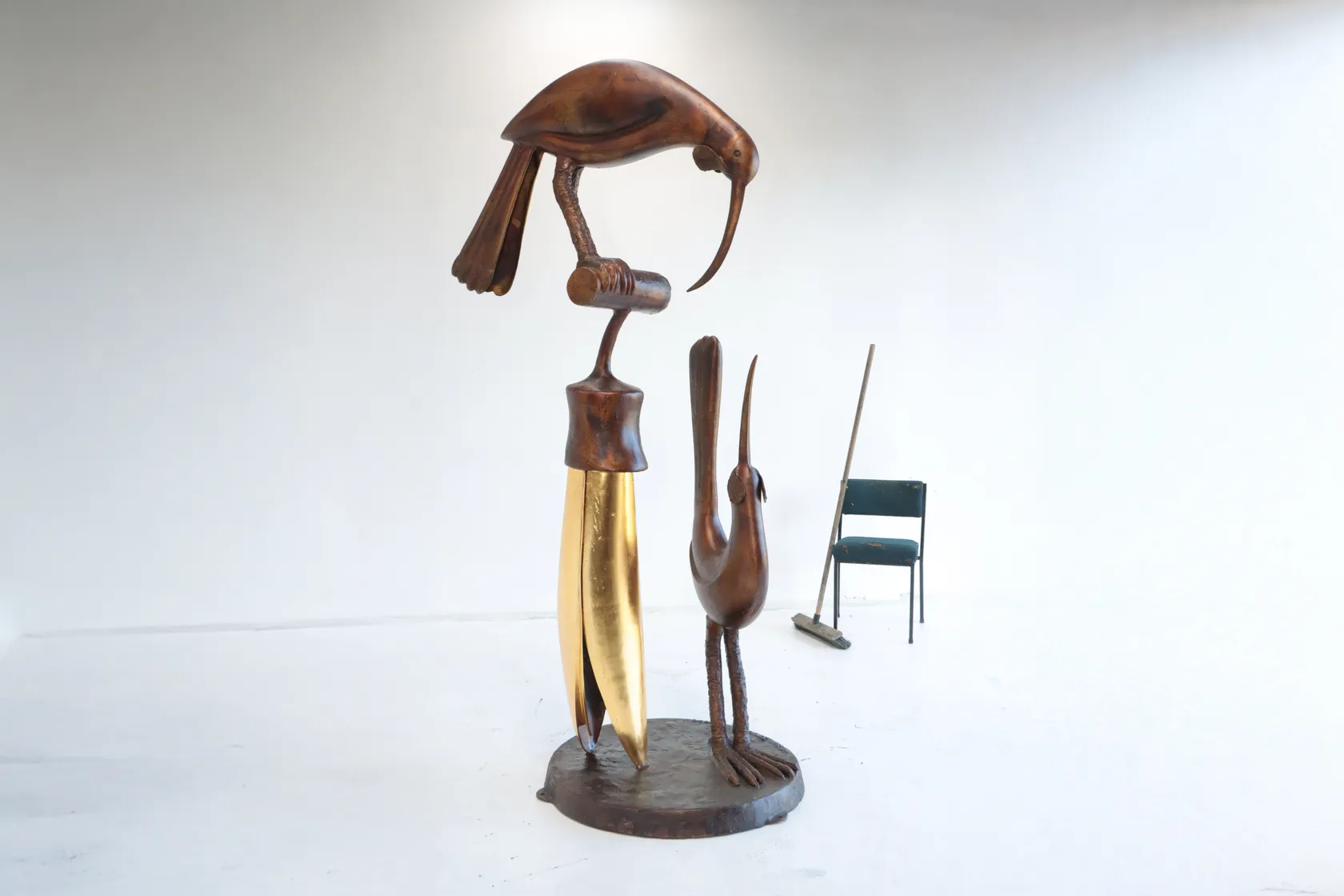
Referencing Dialogue of Two Huia
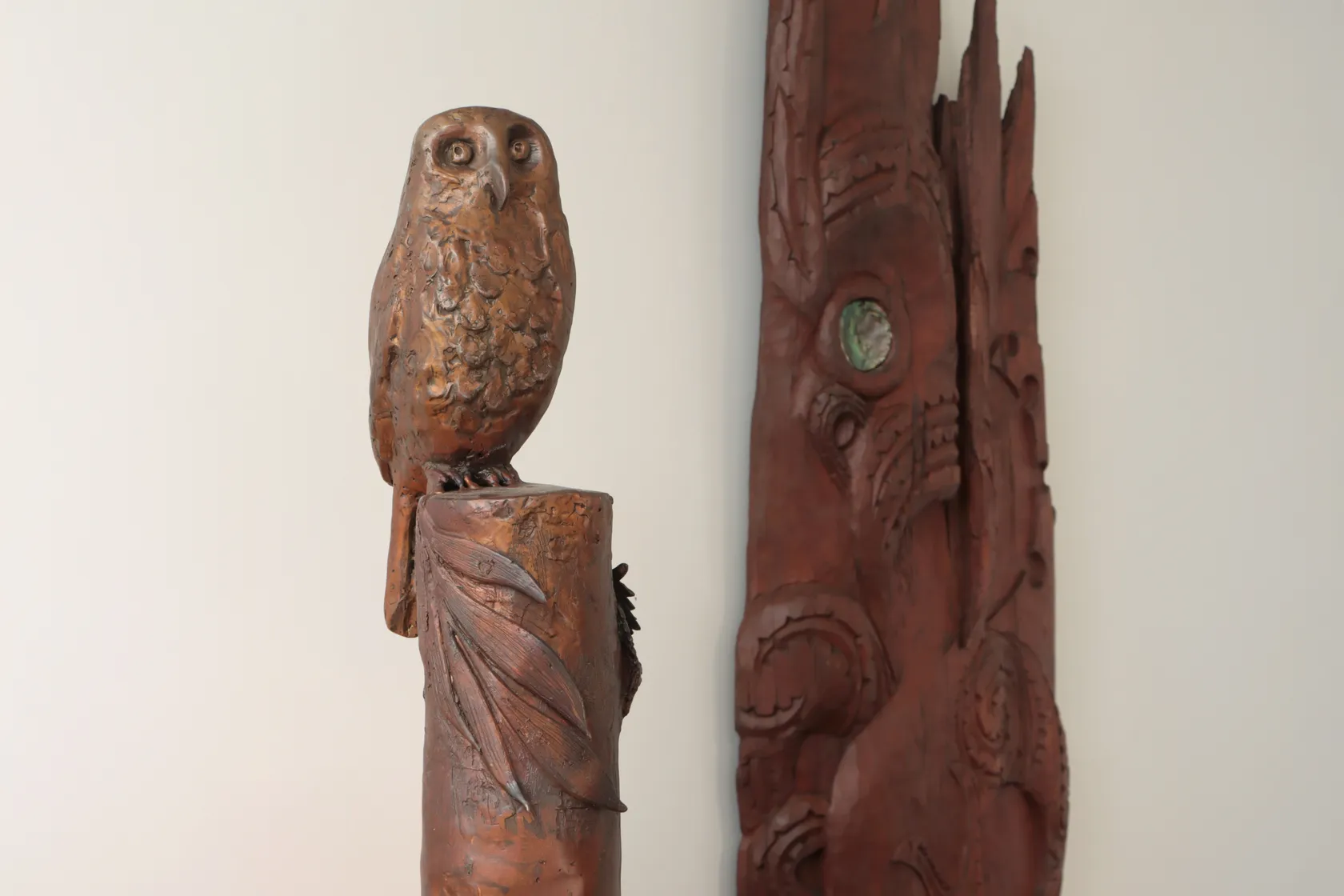
Requiem From a Swampland
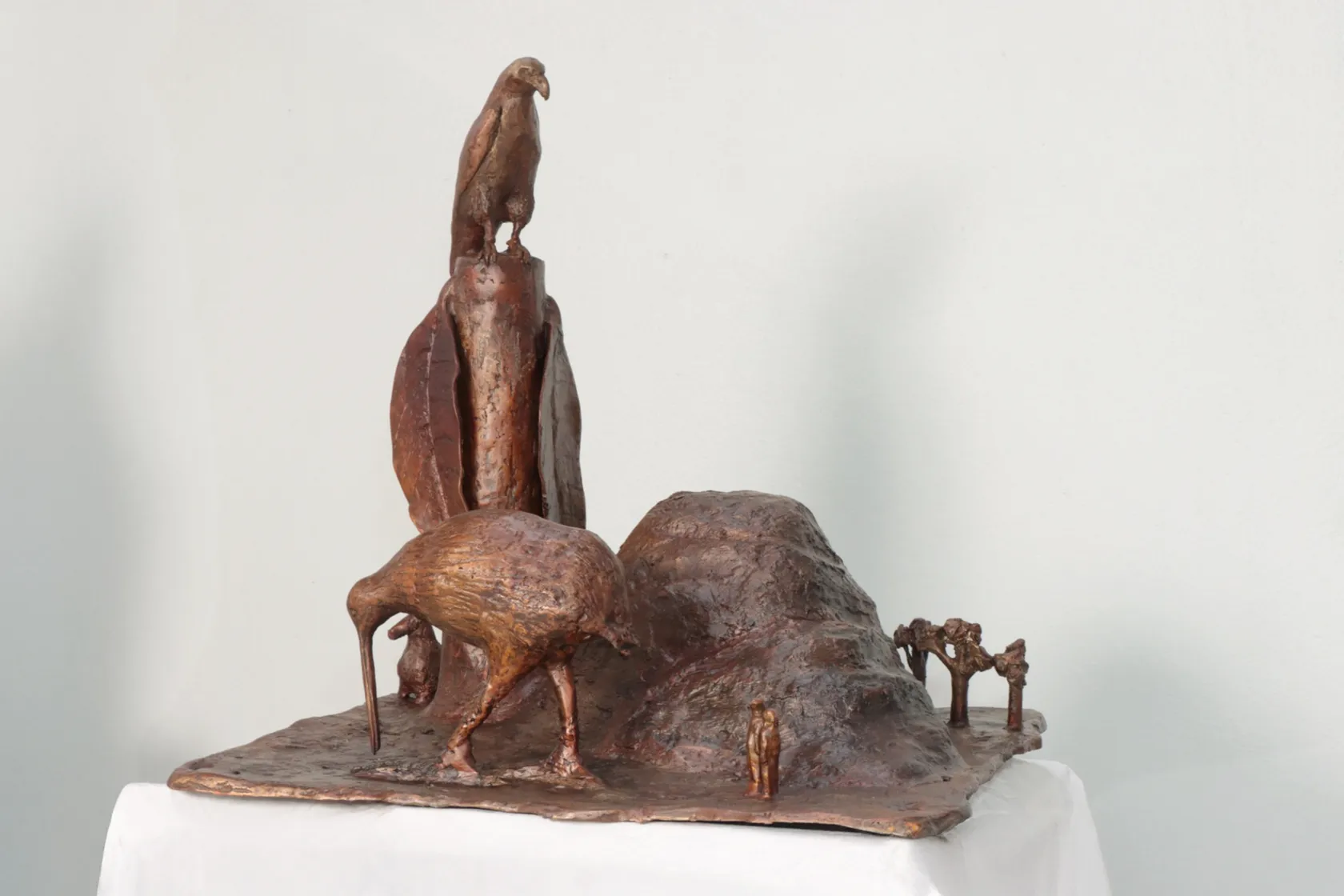
Station Gate Work
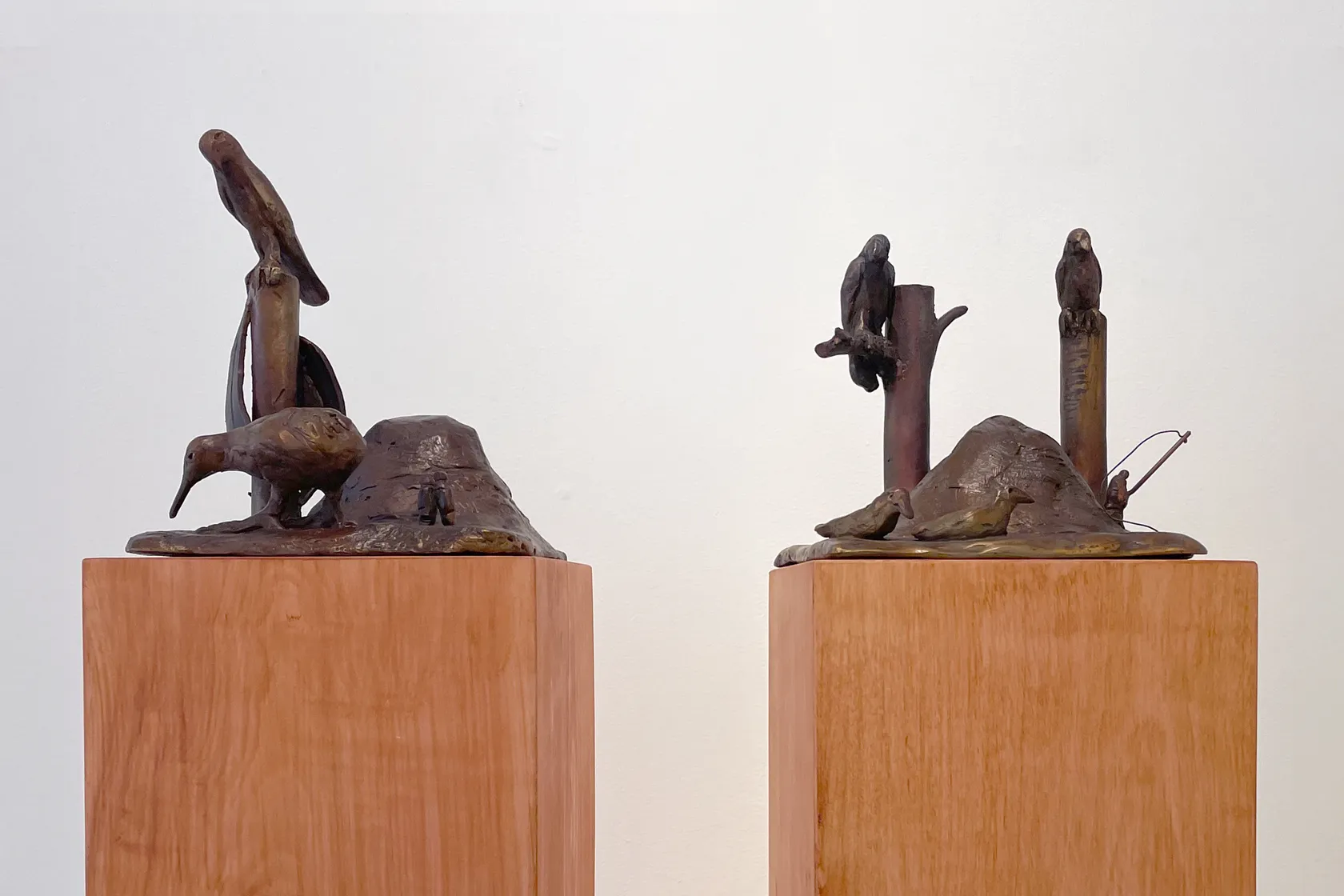
Station Gate Work model
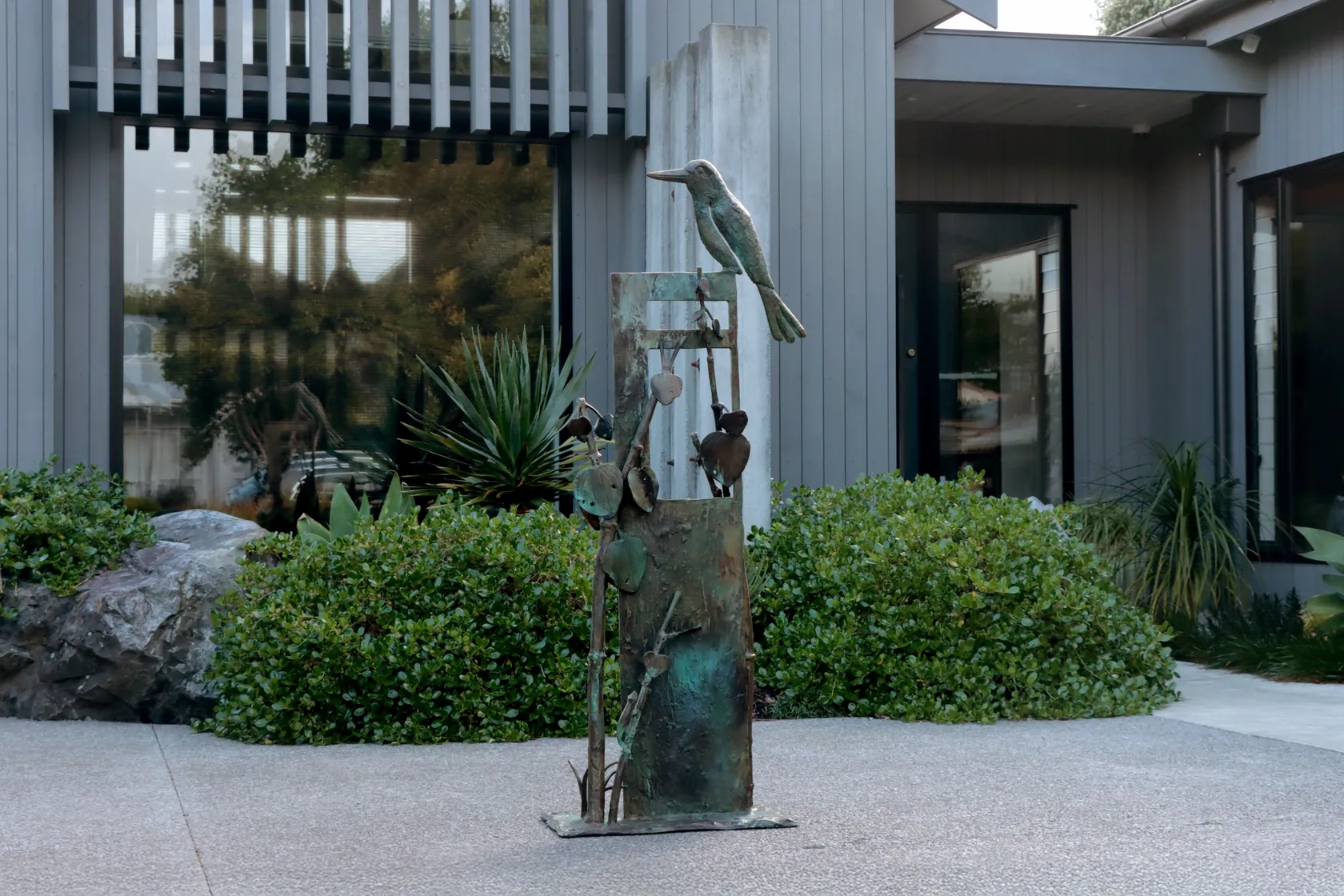
The Healers
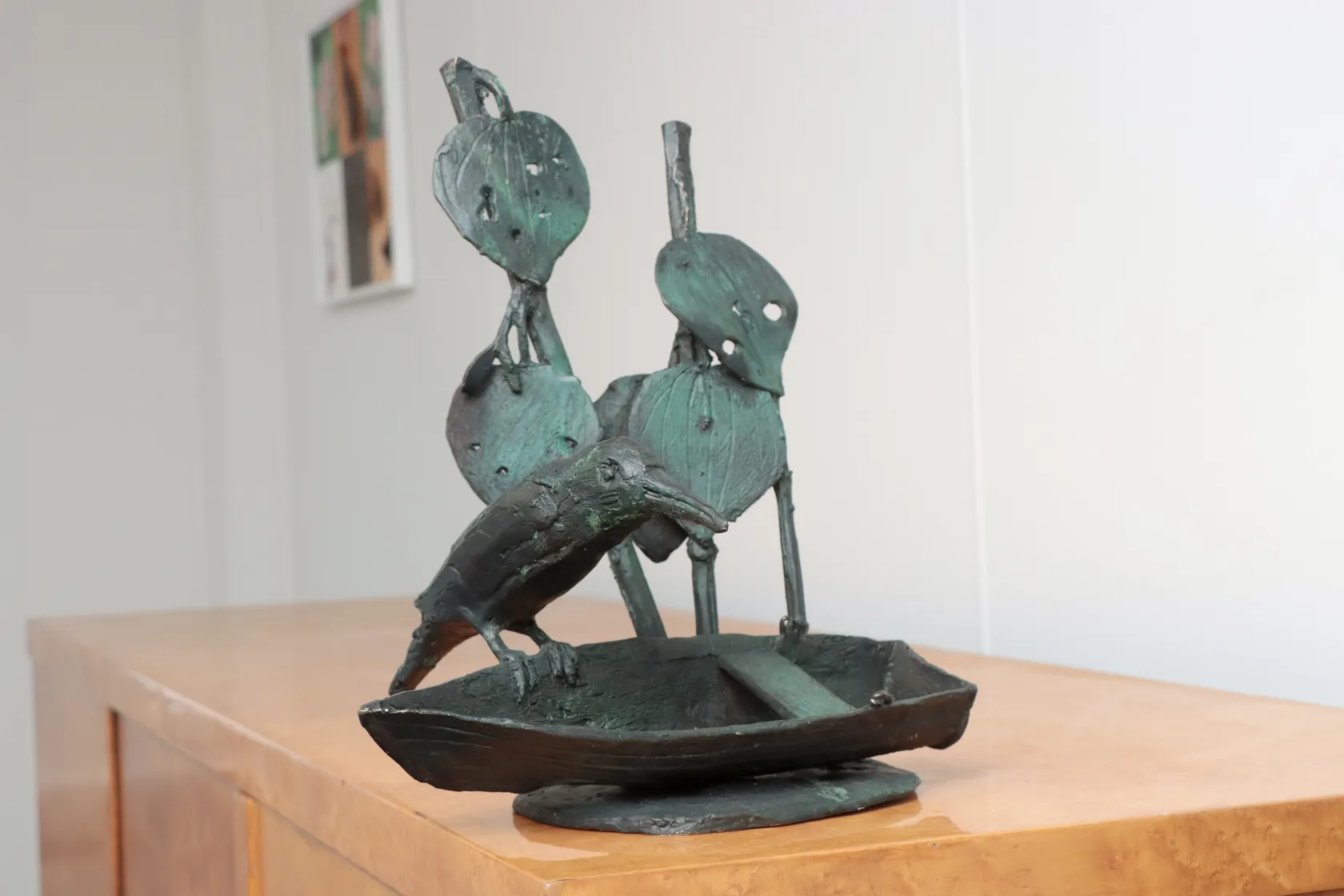
Travelling to New Places
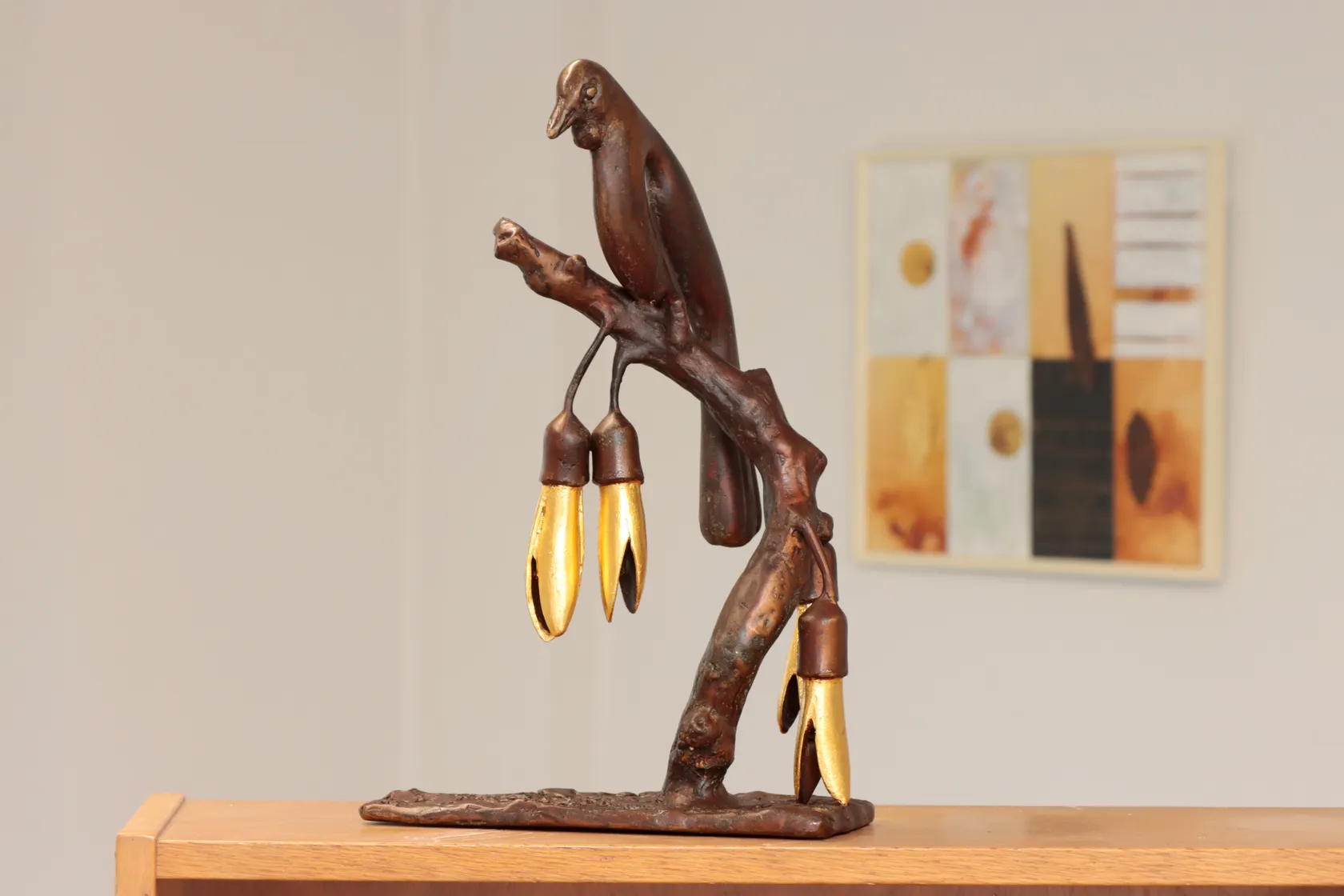
Tribute A Tui in a Kowhai Tree
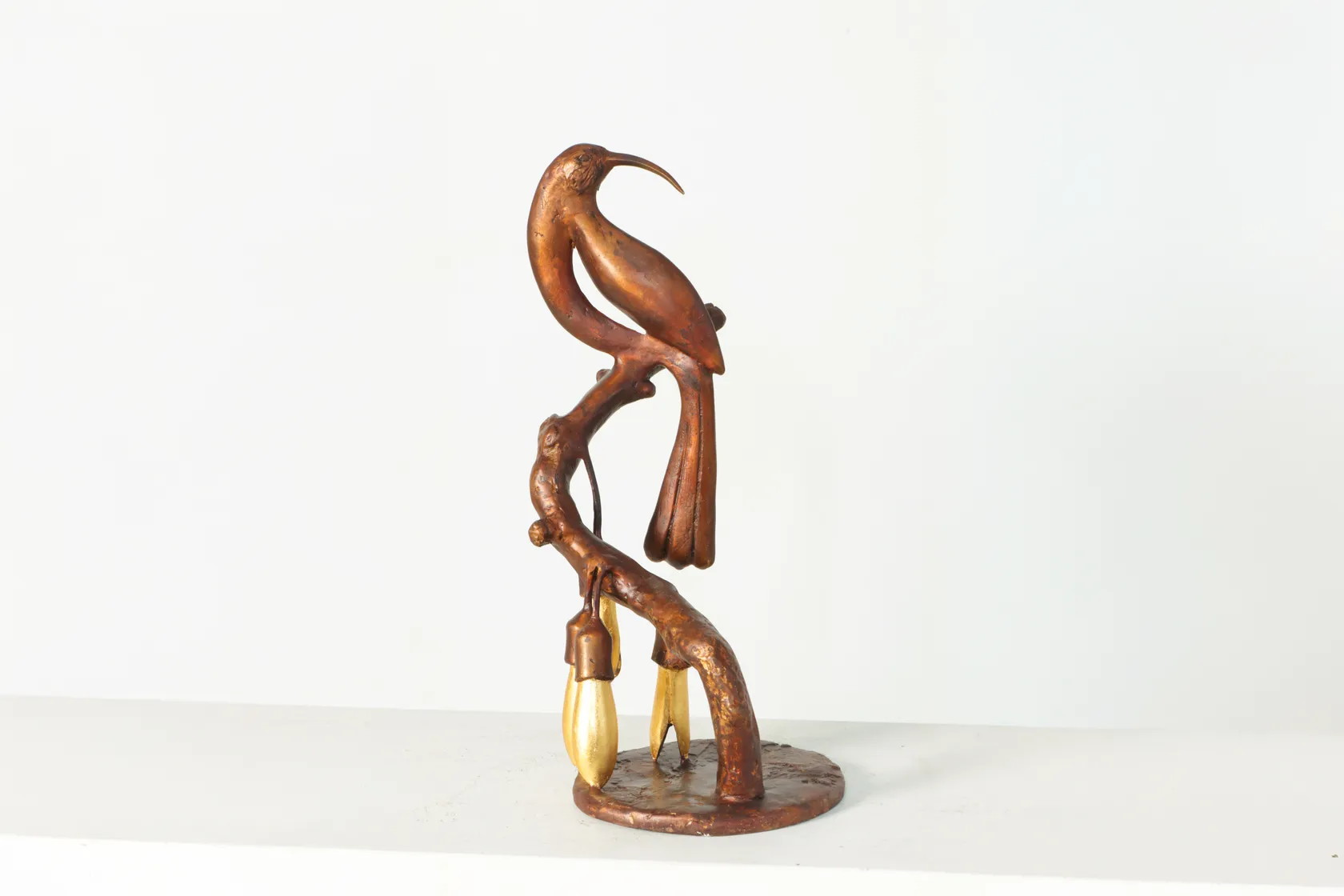
Tribute Above Golden Blossoms
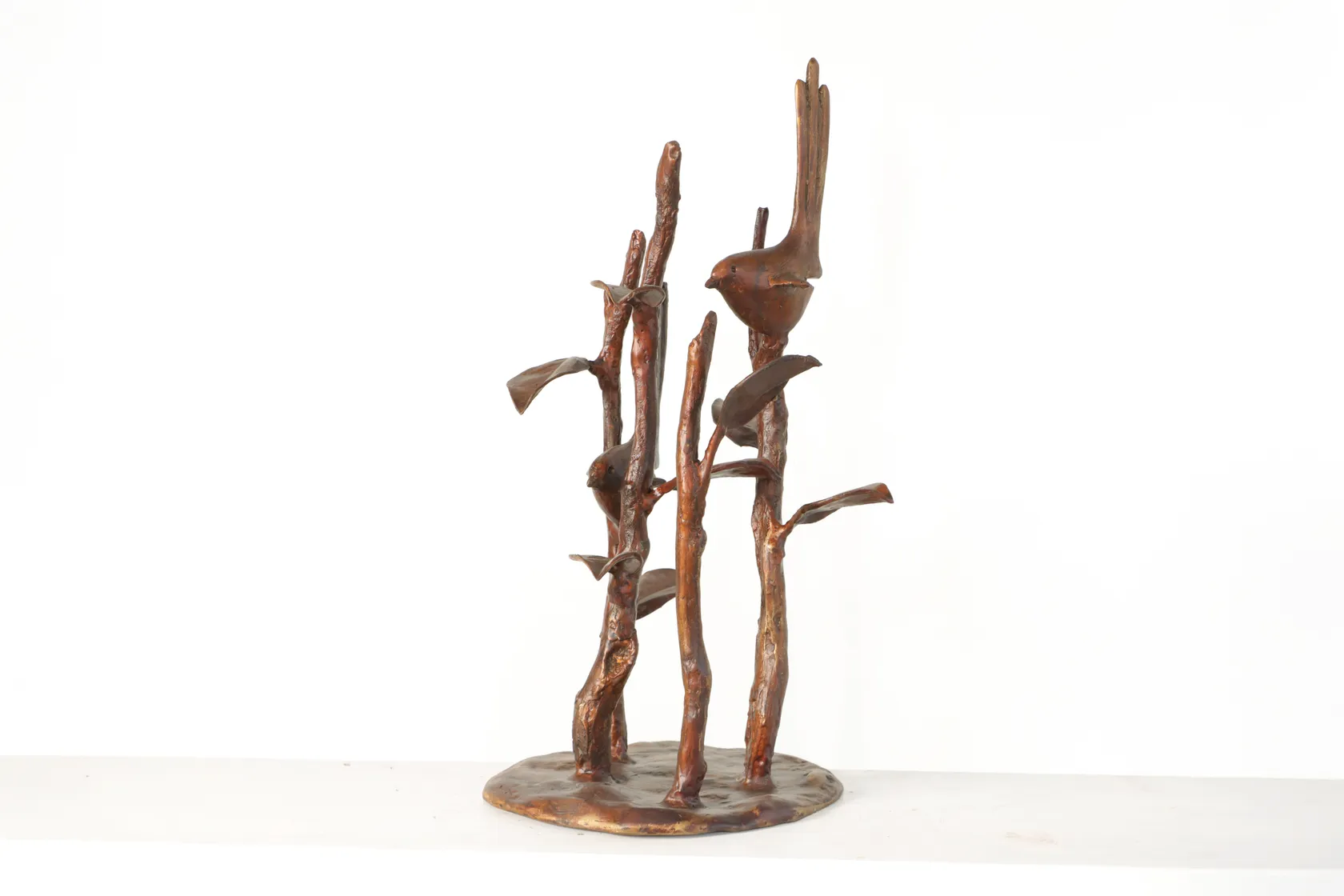
Tribute Birds in the Crowded Bush
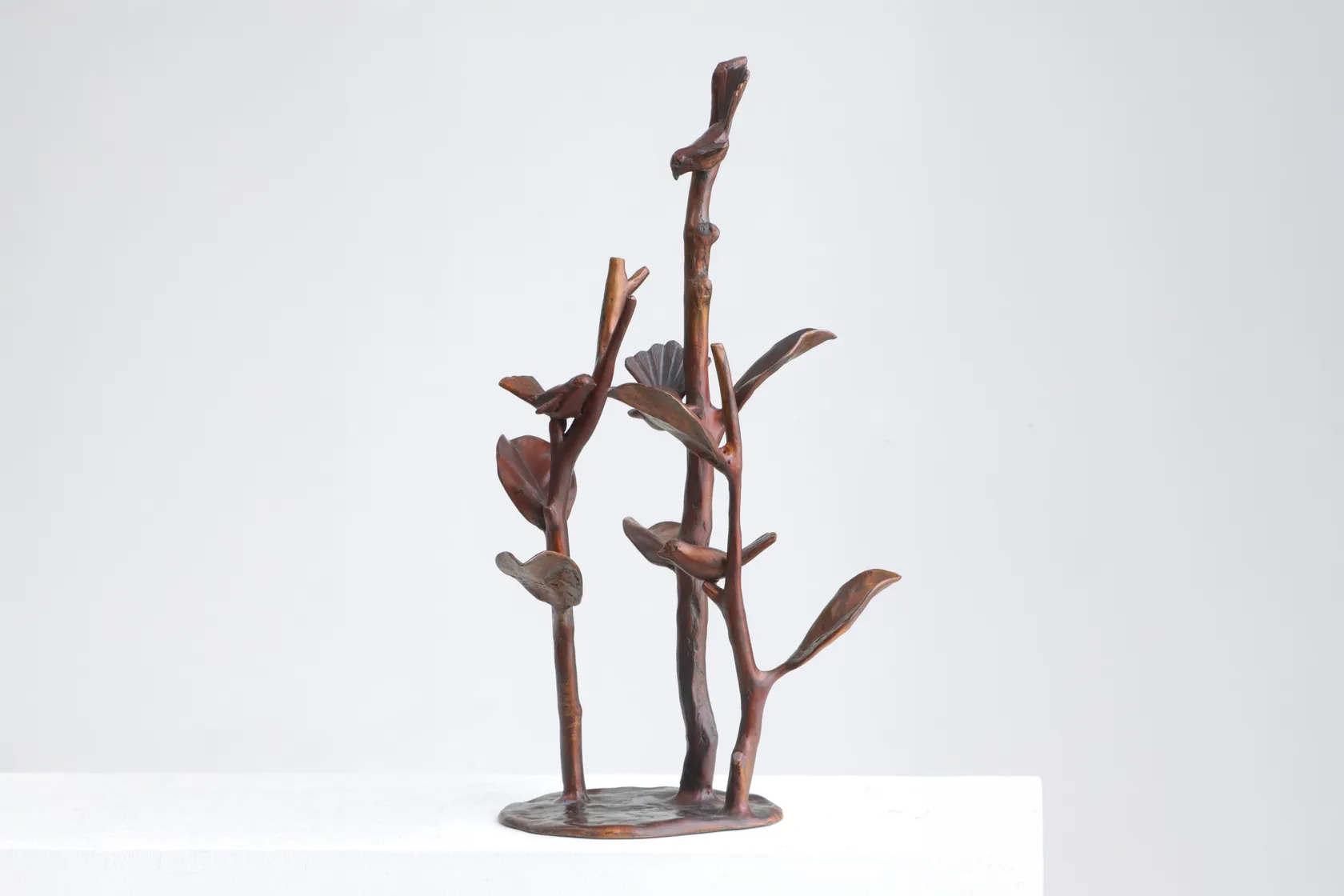
Tribute Flock
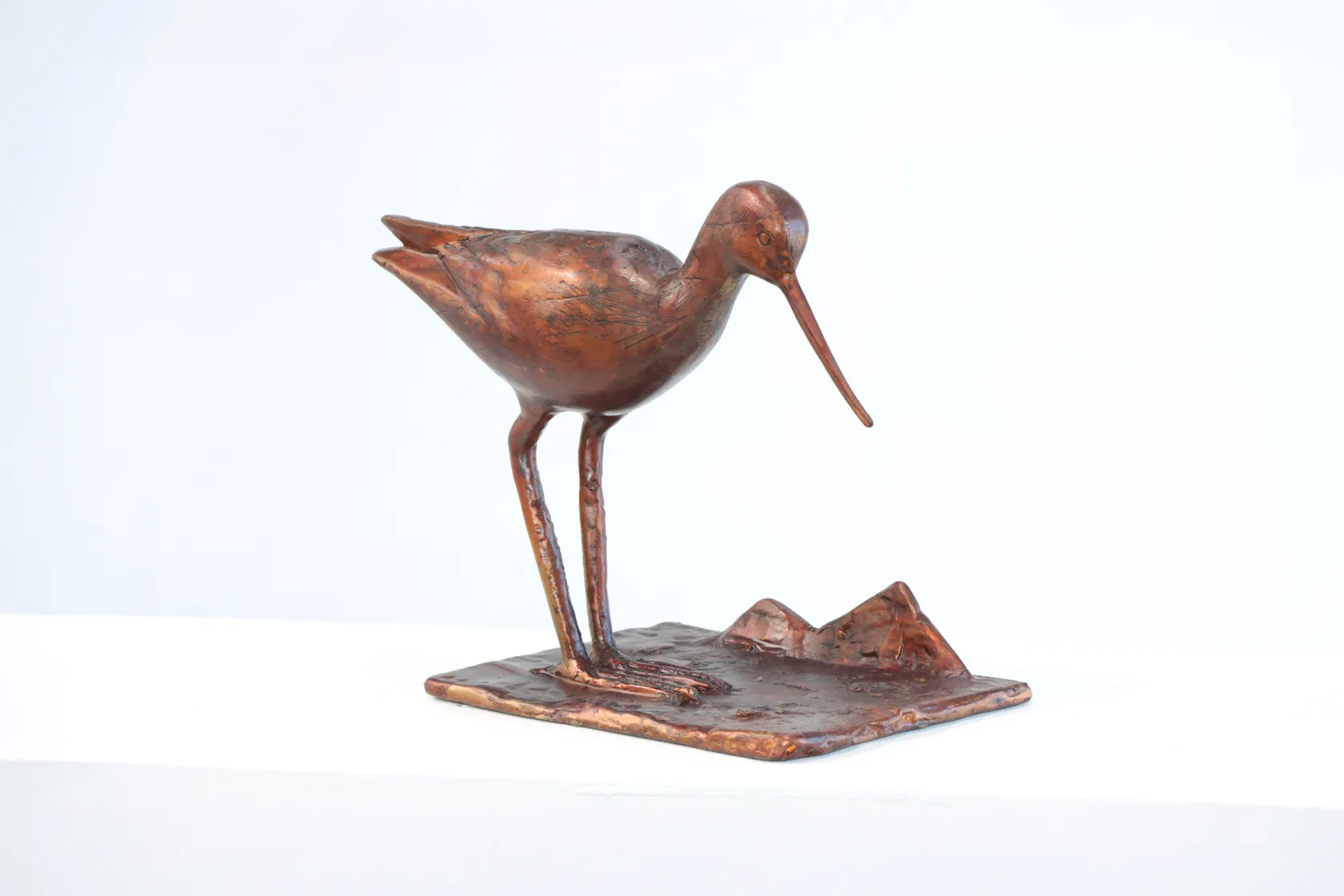
Tribute Lone Godwit
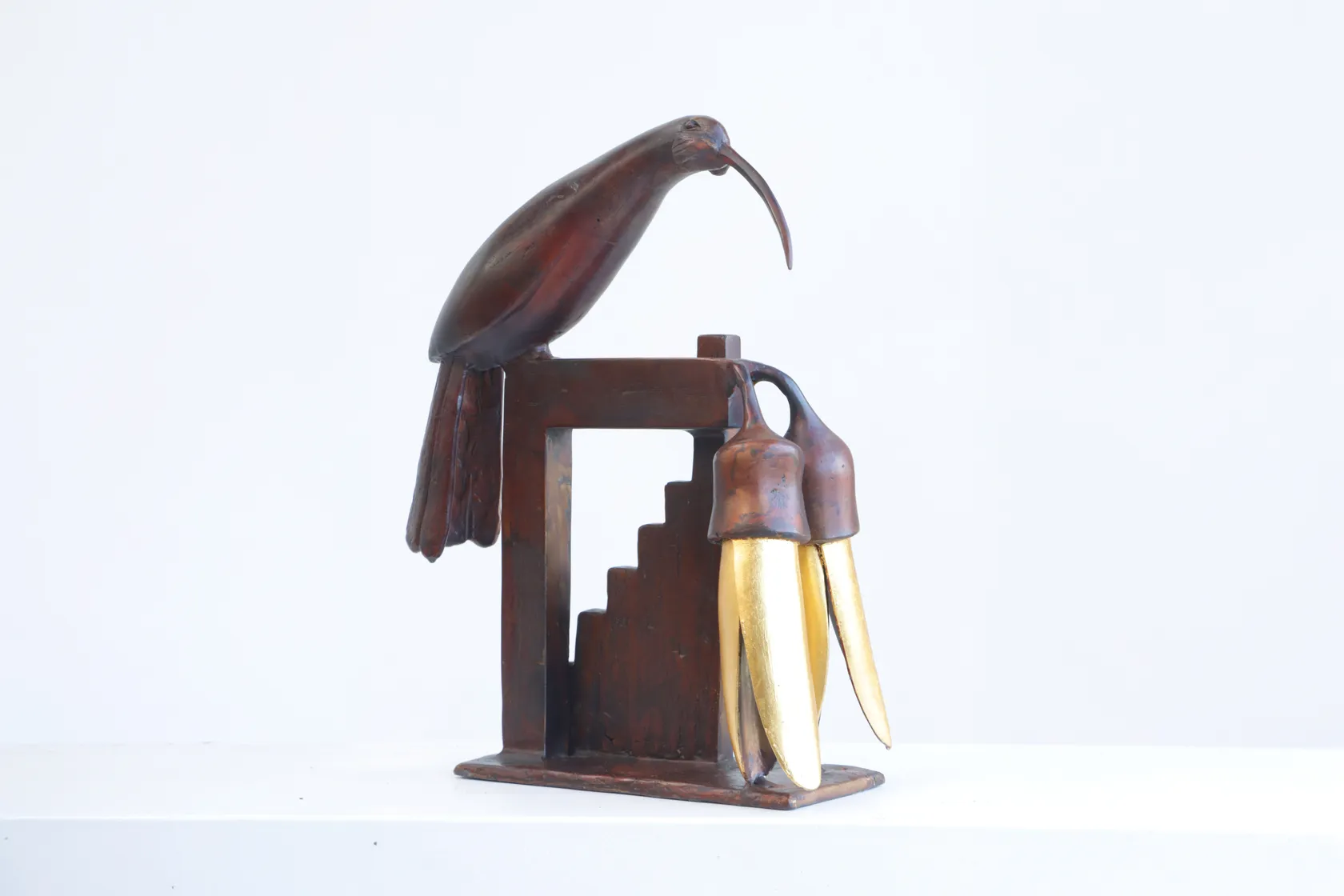
Tribute Old Ghosts in New Towns
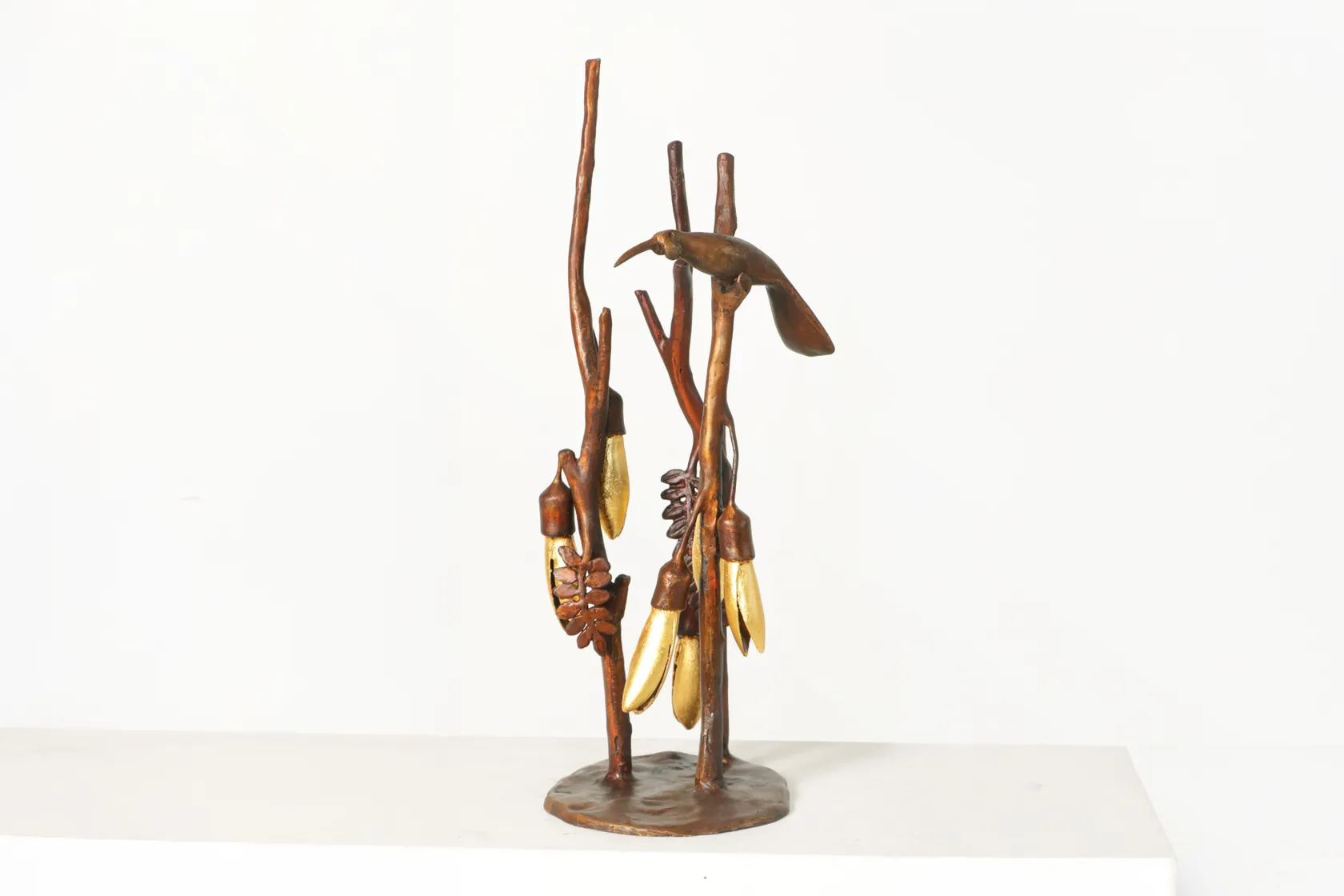
Tribute The Lost Bird
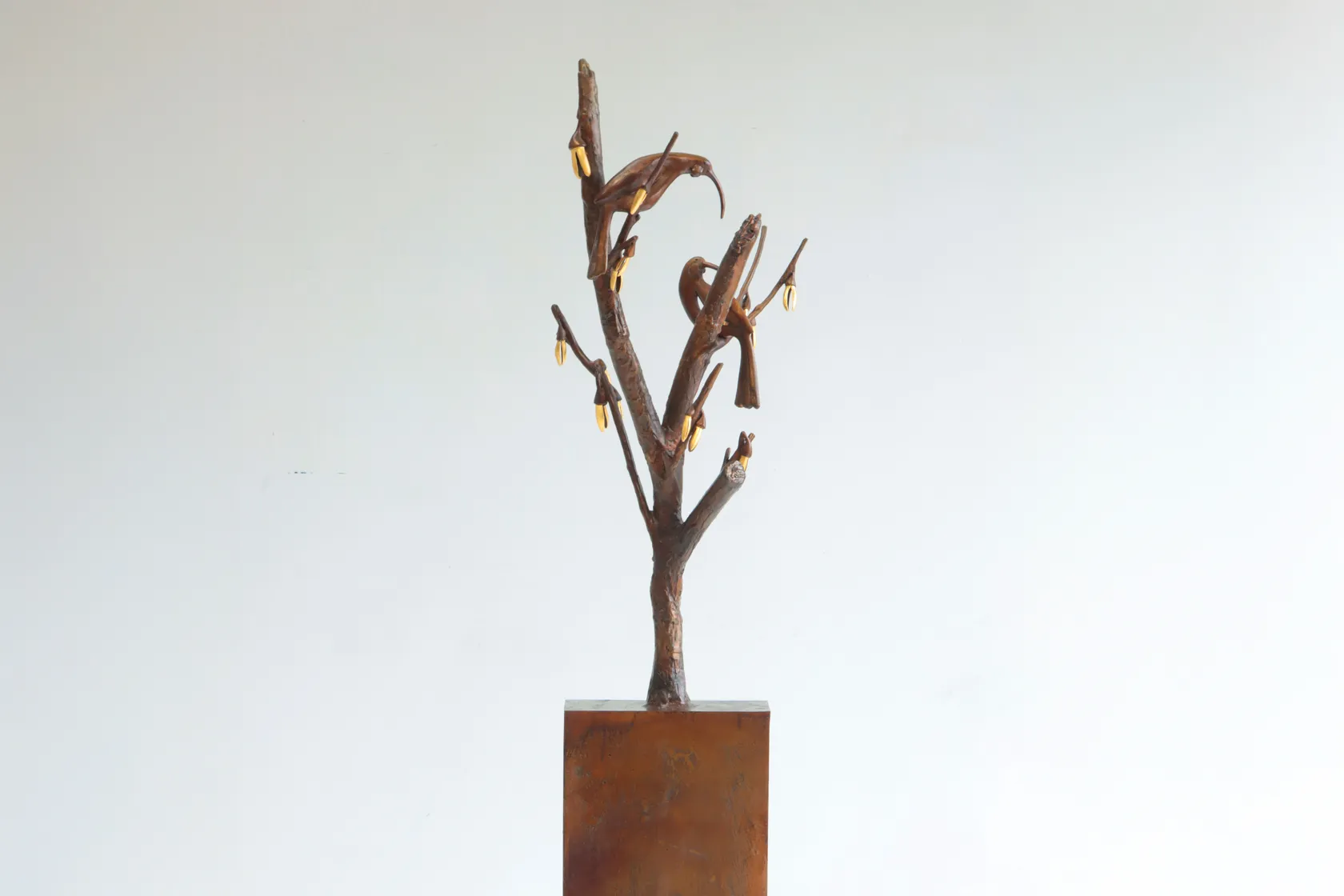
Tribute Tree Study
Exhibitions
Sep 20 - Oct 14 2025
Milford Gallery | Queenstown
Tributes and Pathways
The inaugural exhibition of Dibble Studio contains a mix of tribute works with sculptures that show a move to new directions. The return of Native birds into the built environments of our cities is followed as theme. For the first time a new rich green patina and the emblematic, symbolic, sticks of healing Kawakawa reclaim the city. Plural metaphors abound; narrative messages and images of optimism emerge. Across these works is a broad conversation about time, the human spirit and the spirit world coexisting with the natural world. The birds become metaphoric symbols of who we once were and who we could be now.
This narrative continuum begun by Paul Dibble is openly continued in this significant Dibble Studio exhibition and the journey continues as new pathways emerge.
Mar 31 Apr 25 2026
James Blackie Gallery
Rewilding
The framework for this exhibition is from a discarded piece of an artwork that was re-worked. An abandoned sculptural city was left in the workshop storage area. This cityscape has been cut up and framed into a series of studies. Elements like Kawakawa plants, with their characteristic heart shaped leaves with holes, ferns and birds, explore a narrative of a city left behind that has been reborn as a new site for finding home.
Contact
To view works, the following galleries represent the Dibble Studio.
Milford Galleries
Dunedin and Queenstown
[email protected]
Zimmerman Art Gallery
Palmerston North
[email protected]
James Blackie
Wellington
[email protected]
Maintenance of Sculptures